June CPI Falls, Real Wages Still Under Pressure
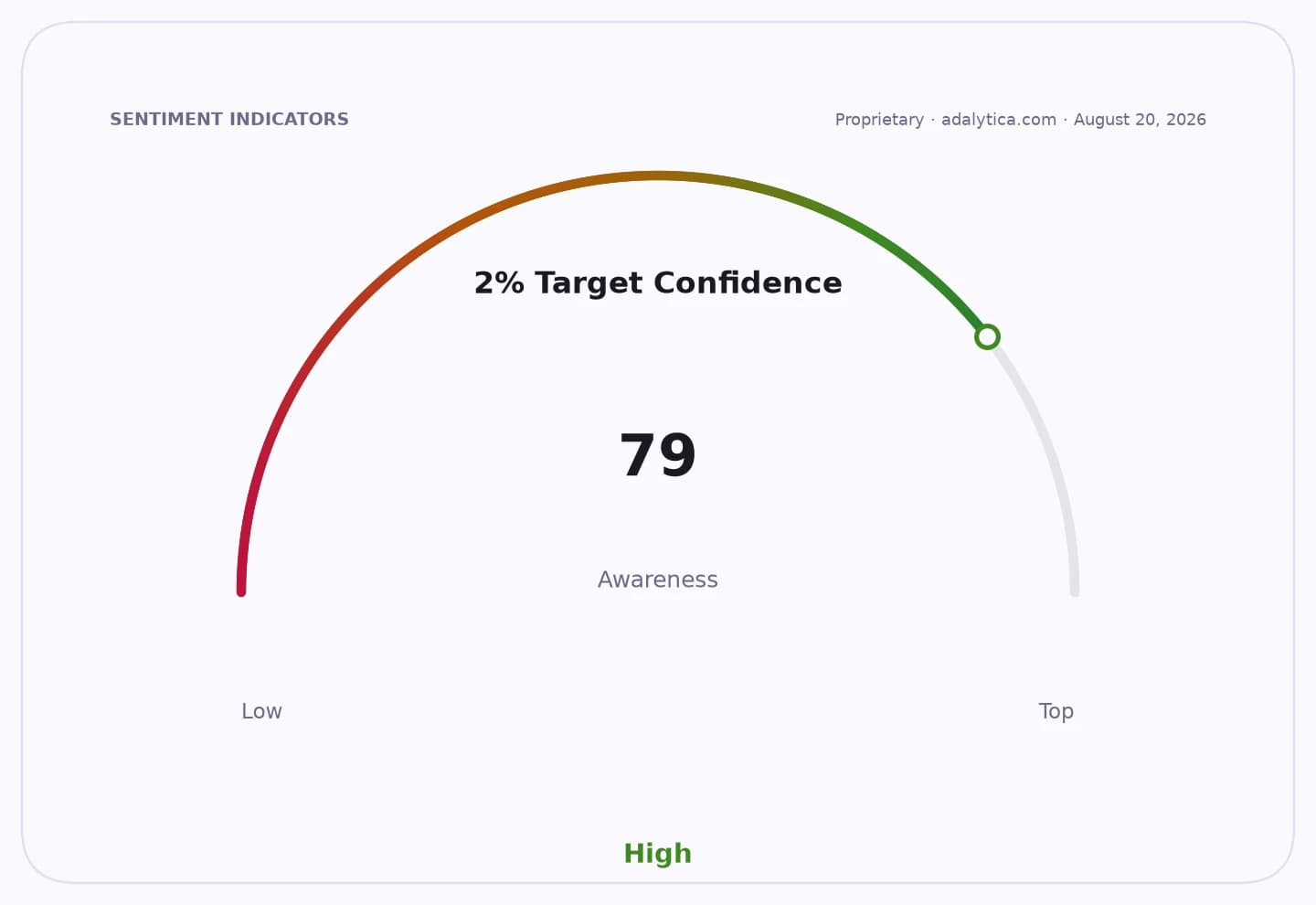
Registered workers lost purchasing power in the first half of the year, and June did little to change that: inflation eased on the month, but not enough to repair the squeeze on real wages.
That is the key investment and economic takeaway from the latest price data. Consumer prices in June fell 0.42% from May, according to the CPI series, while core inflation slipped 0.02%. The monthly decline looks encouraging on paper, but it comes after a much steeper climb in prices over the past year and leaves households still trying to catch up. The result is a familiar one for labor markets in inflationary economies: nominal pay may keep rising, but workers feel poorer if prices rise faster over time.
For consumers, the gap matters because real income is the engine of spending. When wages lag inflation, families cut discretionary purchases, delay big-ticket spending and lean more heavily on savings or credit. That is exactly the backdrop investors should care about. Retailers, consumer brands and other cyclical names typically feel the strain first, while staples, discount chains and businesses tied to necessity spending tend to hold up better. The divergence showed up in exchange-traded funds, with consumer staples and consumer discretionary moving differently as inflation expectations and spending power shifted.
The broader narrative is not simply that inflation cooled in June. It is that the cost-of-living shock has not fully unwound, even as headline readings soften. Confidence in the Fed’s 2% inflation target has improved sharply in the market gauges from Adalytica.com, but that optimism can be fragile if wage growth fails to outpace prices consistently. In other words, the market may be getting more comfortable with disinflation, while households are still living with the hangover.
That is why the second half of the year matters. If inflation stays near current levels while wages lag, the pressure on real earnings will keep capping consumer demand. If policymakers respond with support for lower-income workers, as several governments are already doing through minimum-wage hikes and state-backed compensation, the relief will be uneven and often temporary. The investable setup still favors companies that can grow through weak purchasing power: staples, value retail, utilities and other defensive cash-flow machines. I believe the market underestimates how long it takes for wage gains to fully outrun inflation once households have been squeezed for several quarters.
| Entity | Gains | Losses |
|---|---|---|
| Consumers/registered workers | ▲Slight relief from June CPI dip | ▼Real wages still lag inflation |
| Retailers and discretionary brands | ▲Faster volume if pay recovers | ▼Demand pressure from weaker purchasing power |
| Consumer staples and discount chains | ▲More defensive spending patterns | ▼Less benefit from broad consumer upturn |
| Policymakers | ▲Room to claim inflation is cooling | ▼Pressure to support lower-income earners |