Credit card utilization and lender risk
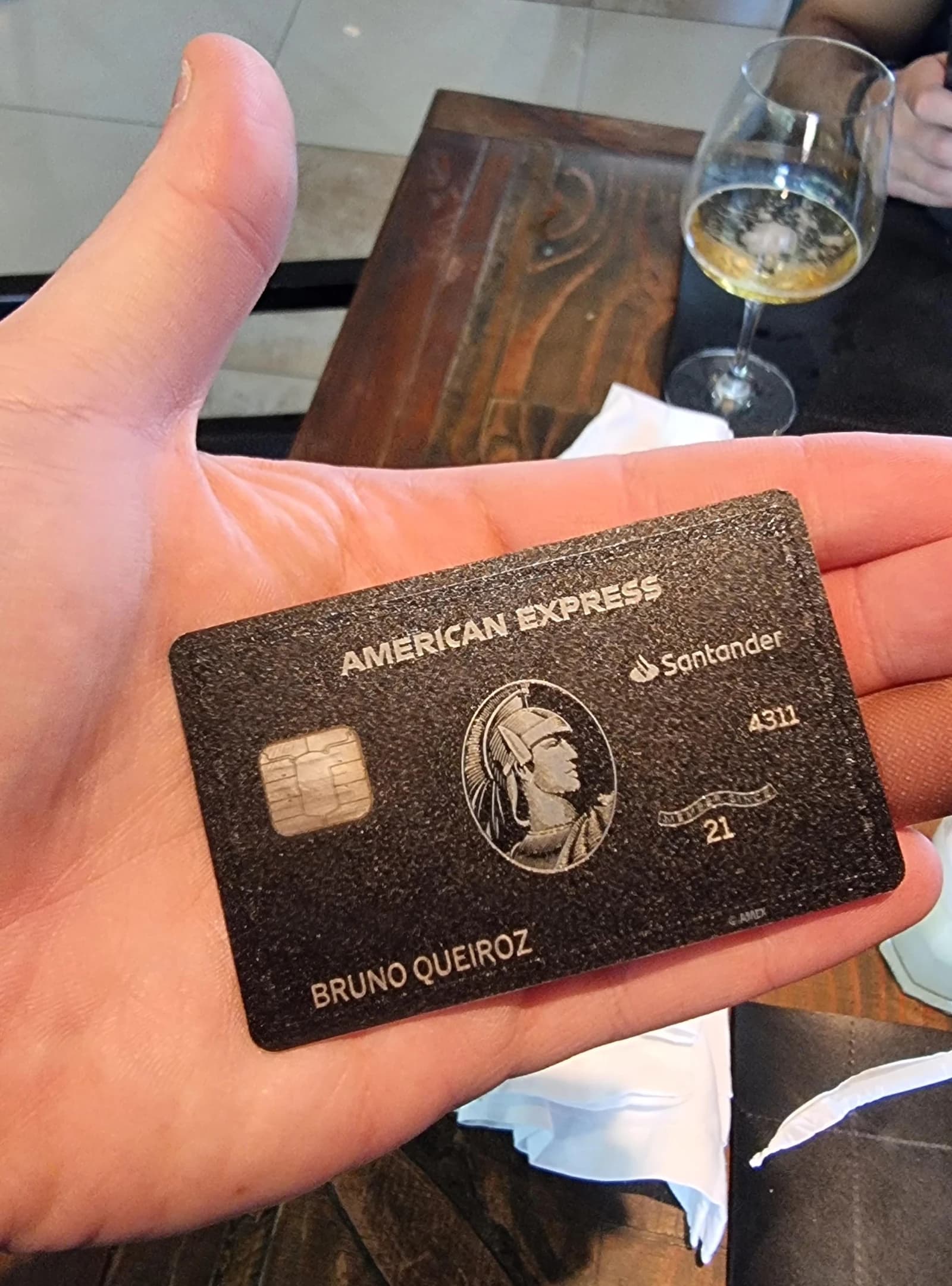
High credit card utilization is one of the fastest ways to weaken a borrower’s credit profile, and that matters because it can make future borrowing more expensive just as household debt stress remains a live concern for lenders and investors.
Running a card balance up to 90% of the limit can drag on a credit score because it signals heavy dependence on revolving credit. In practical terms, a card with a 100,000-rupee limit and a 90,000-rupee balance can look far riskier to lenders than one used lightly, even if the bill is paid on time. The score impact is often amplified if the borrower makes only the minimum payment, which leaves interest charges on the remaining balance and prolongs the period of elevated utilization.
That dynamic matters economically because revolving debt is typically among the most expensive forms of consumer borrowing. Once balances climb close to the ceiling, borrowers lose flexibility and are more vulnerable to shocks such as medical bills, job losses or higher household expenses. For lenders, heavy utilization can be an early warning sign of strain, especially when paired with weaker payment behavior.
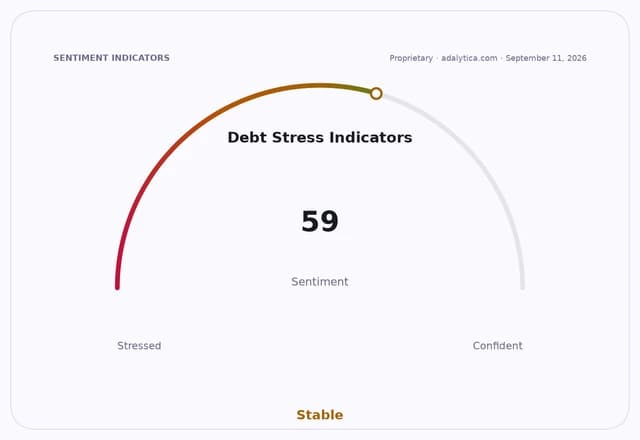
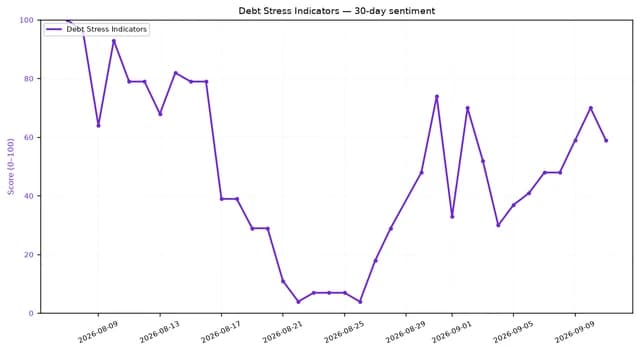
The broader credit picture is mixed. Adalytica’s Household Debt Stress Sentiment gauge was at 59, marked neutral, though awareness remained in fear territory at 22, suggesting caution around household leverage even if panic has not set in. In the public markets, card lenders have reflected a more uneven backdrop: American Express shares were trading at $324.69 on Sept. 11, below a 50-day moving average of $339.96, while Capital One was at $208.30 versus a 50-day average of $211.93. Mastercard was at $569.19, above its 50-day average of $562.21, underscoring the split between network names and balance-sheet lenders.
For investors, the key question is not whether consumers use cards — they do — but whether they are running them close to the edge. Elevated utilization can precede higher delinquencies and greater loss provisions, particularly in subprime and near-prime books. Some lenders have already pointed to the importance of payment rates and macro assumptions in their credit-loss models, while card balances remain sensitive to changes in consumer liquidity.
The bull case is that high utilization can also reflect spending resilience rather than distress, especially if borrowers are still paying in full. The bear case is that persistent use near the limit leaves less room for error and can quickly turn into a credit event if job growth slows or interest rates stay restrictive. For borrowers, the safest move is to keep a buffer, pay the full statement balance when possible and avoid treating the limit as spendable income.
| Entity | Gains | Losses |
|---|---|---|
| Consumers with low utilization | ▲Better credit scores | ▼Less short-term borrowing room |
| Consumers at 90% utilization | ▲Immediate spending capacity | ▼Scores, interest costs |
| Card issuers | ▲Higher revolving balances | ▼Higher credit-loss risk |
| Mastercard and payment networks | ▲Transaction volume | ▼Little direct balance-sheet risk |