Ukraine is increasingly targeting Crimea because the peninsula has become one of the war’s most efficient pressure points on Russia — militarily, economically and psychologically.
Crimea Pressure Keeps Oil Risk Premium Alive
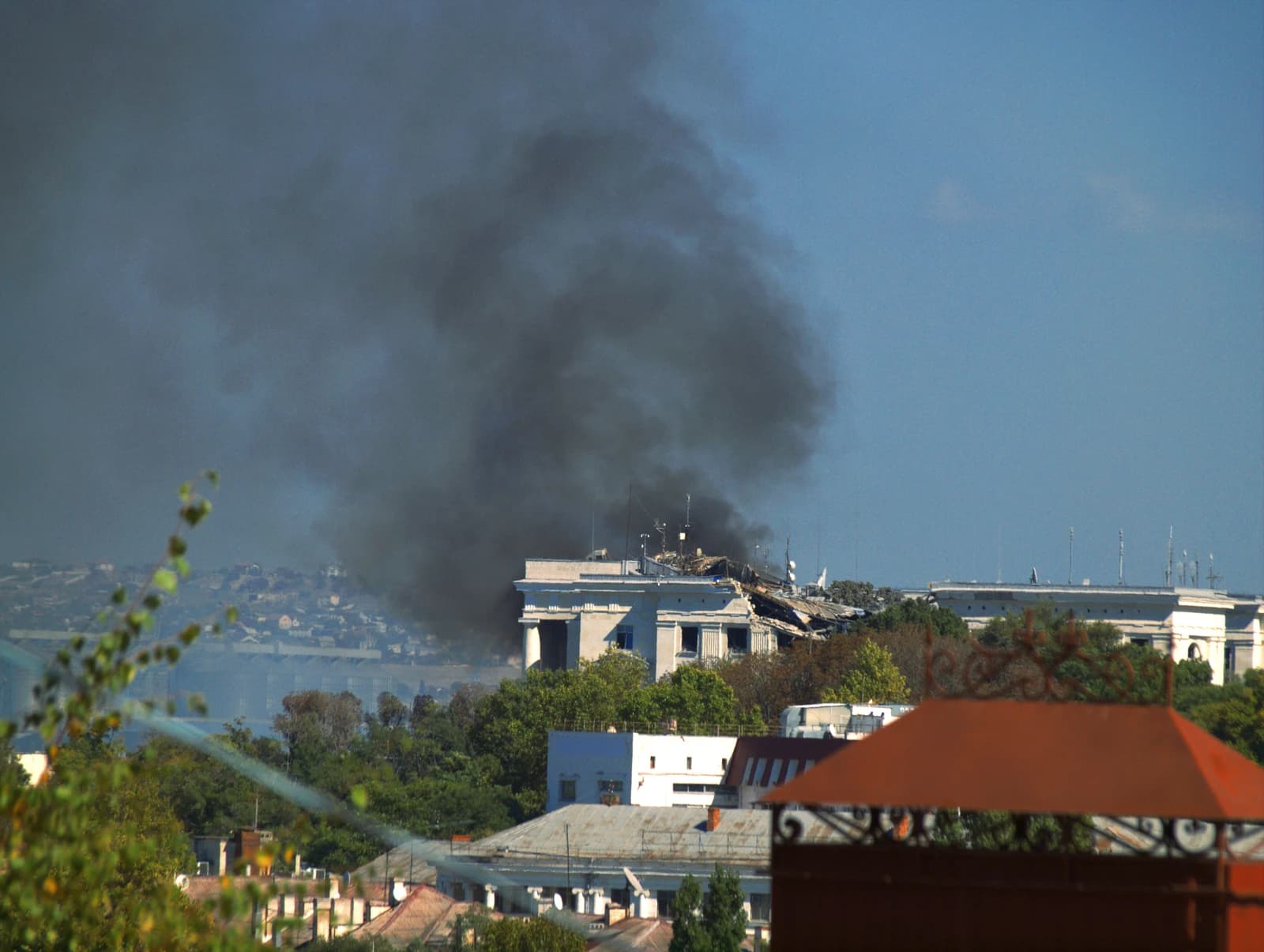
For investors, that matters because the fight for Crimea is not just about territory. It is about the security of Russian logistics, the durability of energy flows around the Black Sea and the risk that a grinding war keeps a floor under oil prices even as the latest move in crude shows how quickly markets can swing.
Oil is the clearest transmission mechanism. West Texas Intermediate has dropped sharply from around $109 at the start of the month to about $68.69 in the latest forecast, but the move has been anything but calm. USO, the oil ETF, surged as high as 152.96 in May before sliding to 117.79, while the technical picture has improved from deeply oversold levels, with its RSI rebounding to 56.3. That kind of whipsaw tells you traders are still treating geopolitics as a live price driver, not a background issue.
The broader energy complex is showing the same tension. XLE, the energy sector ETF, has bounced back to 56.74 and sits close to recent highs, while UNG, the natural gas fund, has fallen to 10.37 and remains below its 50-day average, underscoring how uneven the market response has been across commodities. Crude is reacting to supply-risk headlines; gas is telling a different story. That split matters because it suggests investors should think in terms of selective winners, not a blanket energy trade.
Oil WTI — 30-day sentimentadalytica.com
Explore this data interactively — full history, time series and cross-market comparisons.Open AlphaPulse
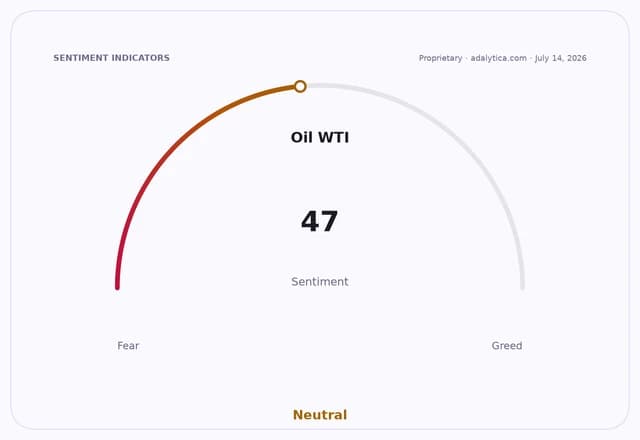
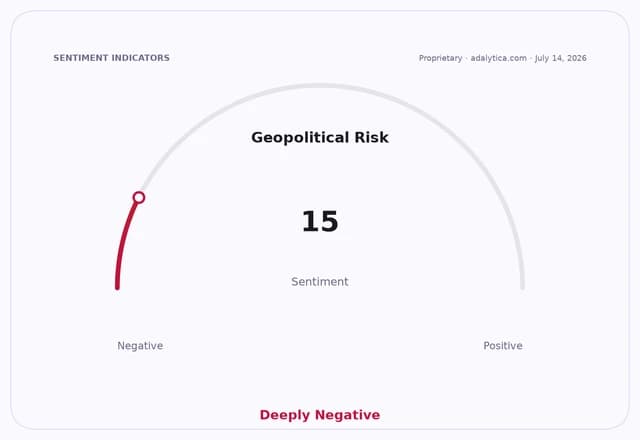
Adalytica’s Oil WTI Trade Signals still show neutral sentiment, but awareness is marked by fear, a sign that the market is attentive even when conviction is fading. The Global Stability gauge is even more striking, sitting at extreme fear. In plain English: the market may not be panicking, but it has not priced away the geopolitical risk either.
That is why Crimea matters. Ukraine’s strategy appears aimed at Russia’s ability to move men, fuel and equipment across a key rear-area hub. If Kyiv can keep forcing Moscow to defend Crimea, it stretches Russian resources and makes the Black Sea theatre more costly. Russia, in turn, keeps striking Ukrainian cities such as Kyiv, Sumy and Odesa, showing that neither side is close to a diplomatic landing zone.
For energy investors, the lesson is less about predicting the next headline and more about recognizing the structure of the market. Geopolitical shocks rarely produce straight-line gains. They create bursts of fear, then reversals, then another burst when the next attack lands. That can reward disciplined long-term investors in diversified energy names, but it also punishes anyone chasing every spike.
If the war continues to intensify around Crimea, the main economic risk is not a sudden collapse in supply. It is a persistent risk premium that keeps crude from settling into a truly peaceful range. That is uncomfortable for consumers, but it can be supportive for producers, pipelines and integrated oil majors with strong cash flow and shareholder returns.
For investors, the takeaway is simple: Crimea is more than a battlefield headline. It is a reminder that the Russia-Ukraine war remains a market-moving force, especially for oil-linked assets. Worth watching, especially if you own energy stocks or broad commodity ETFs and want to stay invested for the long haul.
| Entity | Gains | Losses |
|---|---|---|
| Ukraine | ▲hits Russian logistics | ▼faces escalation risk |
| Russia | ▲military pressure awareness | ▼higher defense costs |
| Oil producers | ▲stronger risk premium | ▼volatility |
| Consumers/importers | ▲lower prices if calm returns | ▼higher costs from disruptions |