Croatia Inflation Outlook After ECB Rate Hike
Higher borrowing costs in the euro zone should help cool inflation in Croatia as the European Central Bank pushes policy further into restrictive territory, Croatian central bank governor Ante Žigman said, underscoring that the fight against energy-driven price pressures is not over.
The ECB raised interest rates by another 25 basis points for a second time this year, lifting the deposit rate to 2.50%, its main policy signal in an environment still awash with liquidity. For Croatia, the move matters because it tightens financial conditions across the euro area just as domestic inflation has been nudging higher on energy costs, making it harder for firms to pass through price increases and for households to sustain demand.
Žigman said inflation in Croatia is already converging toward the euro-zone average, with the gap narrowing to less than half a percentage point. That is a notable shift for a small, open economy that has been vulnerable to imported inflation through fuel and power prices. A more restrictive ECB stance should help compress those pressures further, especially if higher rates cool broader activity and reduce the second-round effects of energy shocks.
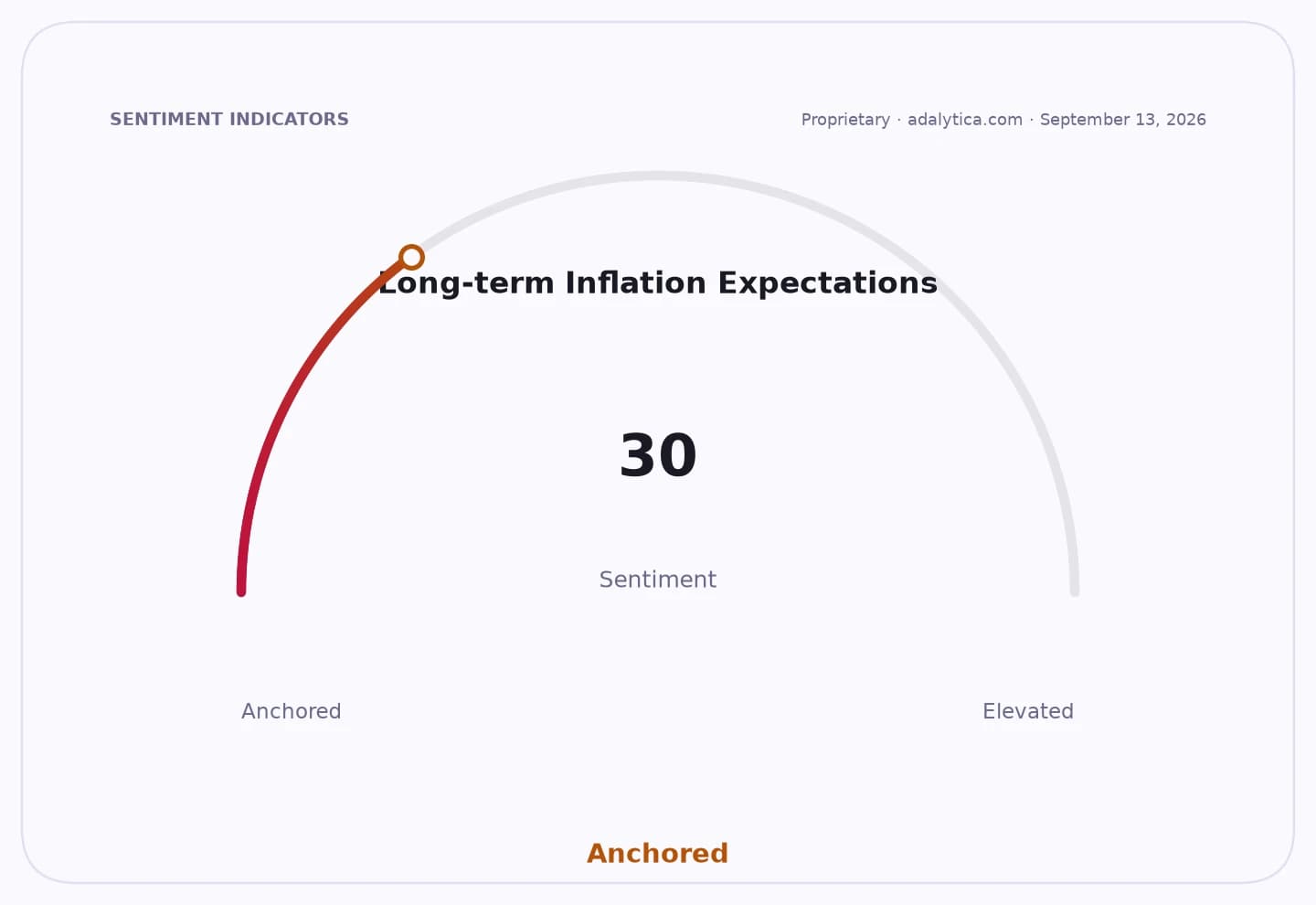
The policy message is also important for markets. The ECB is signaling that it will keep leaning against inflation even as euro-zone growth has shown more resilience than expected. That raises the hurdle for any early easing bets and supports the case for staying positioned in higher-quality income assets while short-duration cash trades remain attractive. The latest Adalytica indicators on long-term inflation expectations and five-year breakevens still point to elevated awareness of inflation risk, even if sentiment remains in fear territory, suggesting investors are not yet fully convinced price pressures are beaten.
For Croatia, the near-term investment implication is less about local rate sensitivity than about the path of real incomes, consumer demand and government financing costs. If inflation continues to drift toward the euro-area average while nominal rates stay restrictive, the real economy can stabilize without a fresh inflation spiral — but the adjustment will favor lenders, savers and high-cash-flow businesses over leveraged borrowers and rate-sensitive discretionary names.
The market underestimates how important that mix is for the next phase of the cycle. This is not just an ECB story; it is a repricing of inflation risk across the euro periphery, and Croatia is one of the clearer beneficiaries if energy prices stop bleeding into wages and services. Investors should watch for further evidence that the tightening cycle is doing its job, because that would support European duration, financials and selective domestic consumer exposures while keeping pressure on the inflation-sensitive trades that thrived when policy was looser.
| Entity | Gains | Losses |
|---|---|---|
| ECB / euro-area policymakers | ▲Inflation credibility | ▼None immediate |
| Croatian savers and banks | ▲Higher yields / margins | ▼Lower loan demand |
| Croatian consumers | ▲Slower inflation | ▼Higher borrowing costs |
| Rate-sensitive borrowers | ▲None | ▼More expensive financing |