Croatia Inflation Rises 4.1% as Growth Slows
Croatia’s inflation has picked up again, and that is the kind of problem that can quietly erode consumer spending, squeeze corporate margins and complicate policy just as the economy is losing some momentum.
Prices rose 4.1% in August from a year earlier, up from the prior month, with energy costs surging 17.4% and doing much of the heavy lifting behind the increase. For households, that means another hit to purchasing power. For businesses, it raises the cost of transport, utilities and production at a time when demand is no longer as buoyant as it was earlier in the year.
The timing matters. Croatia’s economy grew 1.7% in the second quarter, slower than the 2.3% pace in the first three months of the year. That combination — softer growth and firmer prices — is the uncomfortable middle ground policymakers dislike most. It is not stagflation in the dramatic sense, but it is the sort of mix that can make it harder for the central bank and government to lean on easy growth assumptions.
The broader message for investors is that Croatia remains a growth story, but not an effortless one. The country has posted 22 straight quarters of GDP expansion, a notable streak inside the European Union, yet inflation can shorten that runway if it becomes sticky. Energy-driven price pressure is especially important because it tends to spread through the economy, from freight and food to services and wages.
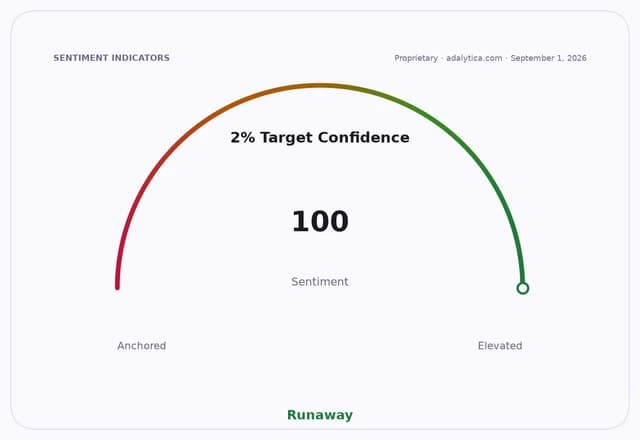
That is why the latest inflation move matters beyond one monthly print. If energy costs stay elevated, households may cut back, retailers may struggle to pass on higher costs, and the government may face renewed pressure to cushion consumers. If inflation expectations begin to rise, the policy response could become less friendly for borrowers and more restrictive for risk assets.
For long-term investors, Croatia’s case is a reminder that even resilient economies can be tested by the old enemy of inflation. The opportunity is still there in a country that has kept growing, but the margin of safety is thinner when prices are rising faster than incomes. That makes this a market worth watching, not chasing.
| Entity | Gains | Losses |
|---|---|---|
| Energy producers | ▲Higher selling prices | ▼Consumers and energy users |
| Croatian households | ▲None | ▼Purchasing power |
| Croatian exporters | ▲Weaker real wage pressure | ▼Domestic consumers |
| Policymakers | ▲None | ▼Growth-inflation tradeoff |