Croatia retail sales rise for 40th straight month
Croatian households are still spending, and that resilience is doing more to support the economy than the headline growth figures suggest.
Retail sales rose for a 40th straight month, underscoring that consumer demand remains the main cushion for an economy where broader momentum has cooled. The latest reading points to continued domestic spending even as second-quarter GDP growth slowed to 1.7% year on year, a combination that matters because it shows consumption is helping offset weaker factory, trade and investment activity.
The persistence of retail strength suggests Croatian households are still drawing support from a tight labor market, tourism-linked income and rising wealth, even as higher borrowing costs and uneven external demand weigh on the rest of the economy. That mix is important for policymakers because it reduces the risk of a sharp downturn, but it also complicates the case for quick monetary easing if consumer demand stays firm.
For investors, the message is that Croatia’s growth story is becoming increasingly consumption-driven. That favors domestic retailers, banks and consumer-facing businesses, but it also raises valuation questions if spending proves concentrated in services and imported goods rather than in broader productive investment. It may also keep pressure on inflation in parts of the economy, especially if wage gains continue to outpace productivity.
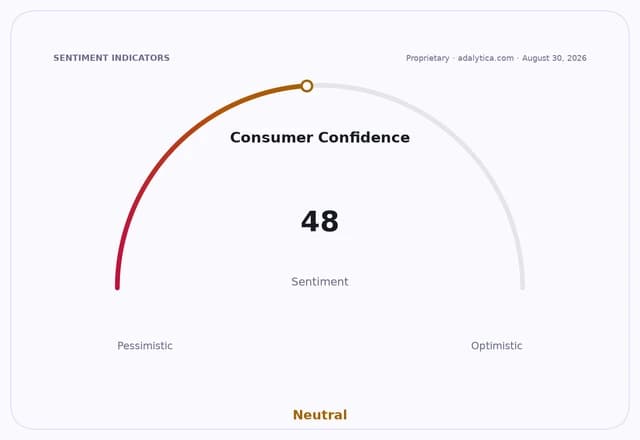
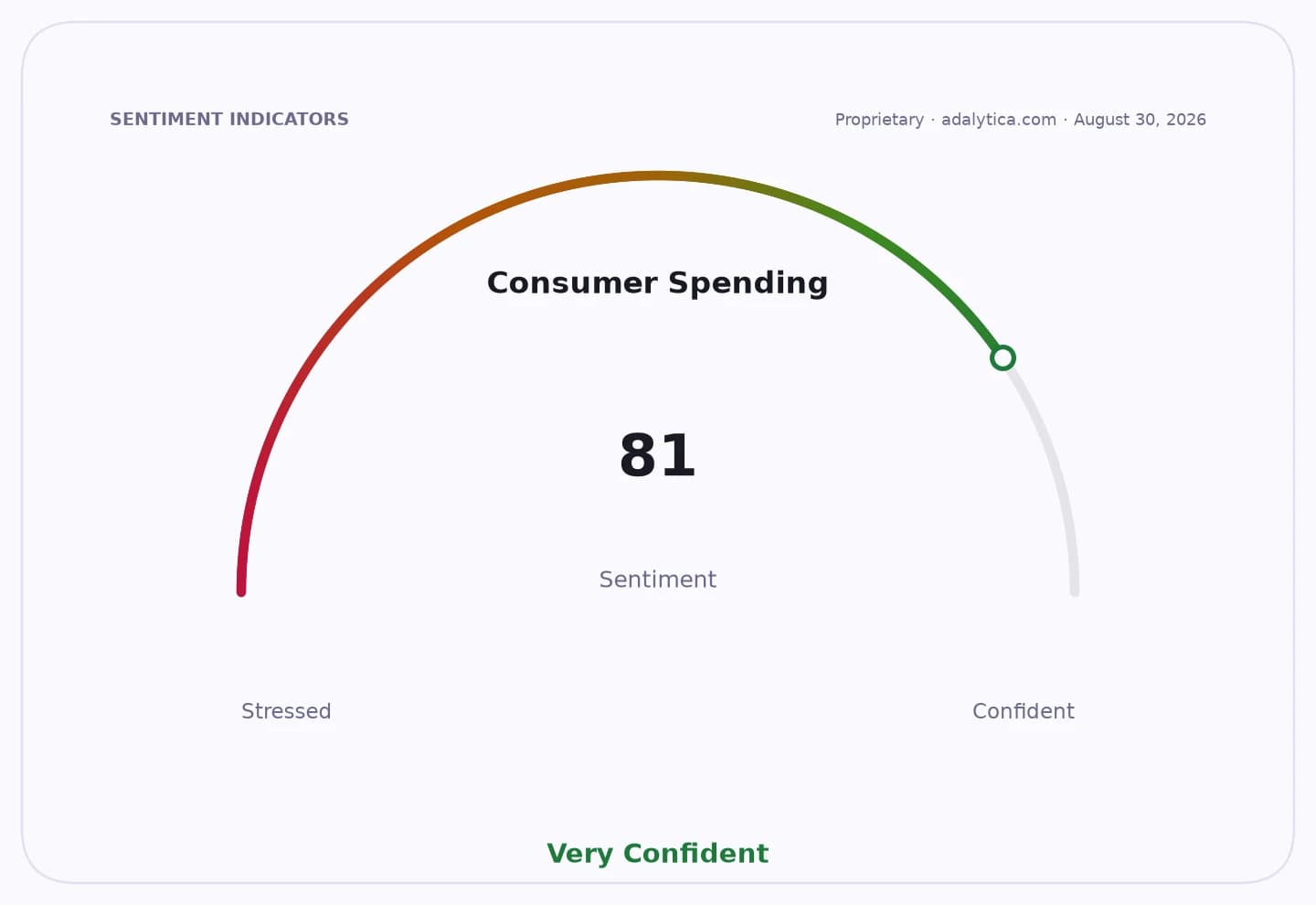
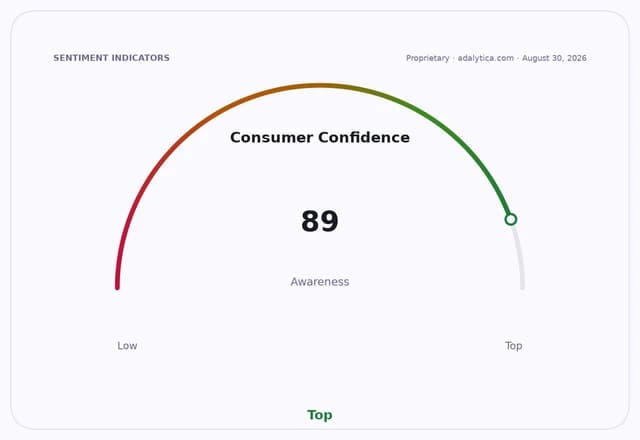
The latest retail print also fits a wider regional pattern in which households have held up better than many forecasters expected. Adalytica’s consumer spending sentiment gauge shows elevated greed and awareness readings, while consumer confidence remains neutral but recovering, suggesting households are still willing to spend even if they remain cautious about the outlook.
The key question now is whether Croatia can sustain this momentum without relying so heavily on consumption. If retail sales keep advancing while GDP growth stays subdued, the gap would point to an economy that is steady but not yet balanced, leaving investors to focus on where demand is translating into earnings and where it is merely keeping the surface calm.
| Entity | Gains | Losses |
|---|---|---|
| Croatian retailers | ▲Higher sales volumes | ▼Risk of margin pressure |
| Households | ▲Stronger purchasing power | ▼Higher price sensitivity |
| Policymakers | ▲Softer recession risk | ▼Less room for easing |
| Exporters/investment sectors | ▲Indirect support from demand | ▼Lose attention to domestic consumption |