Cronos gas project advances via Egypt route
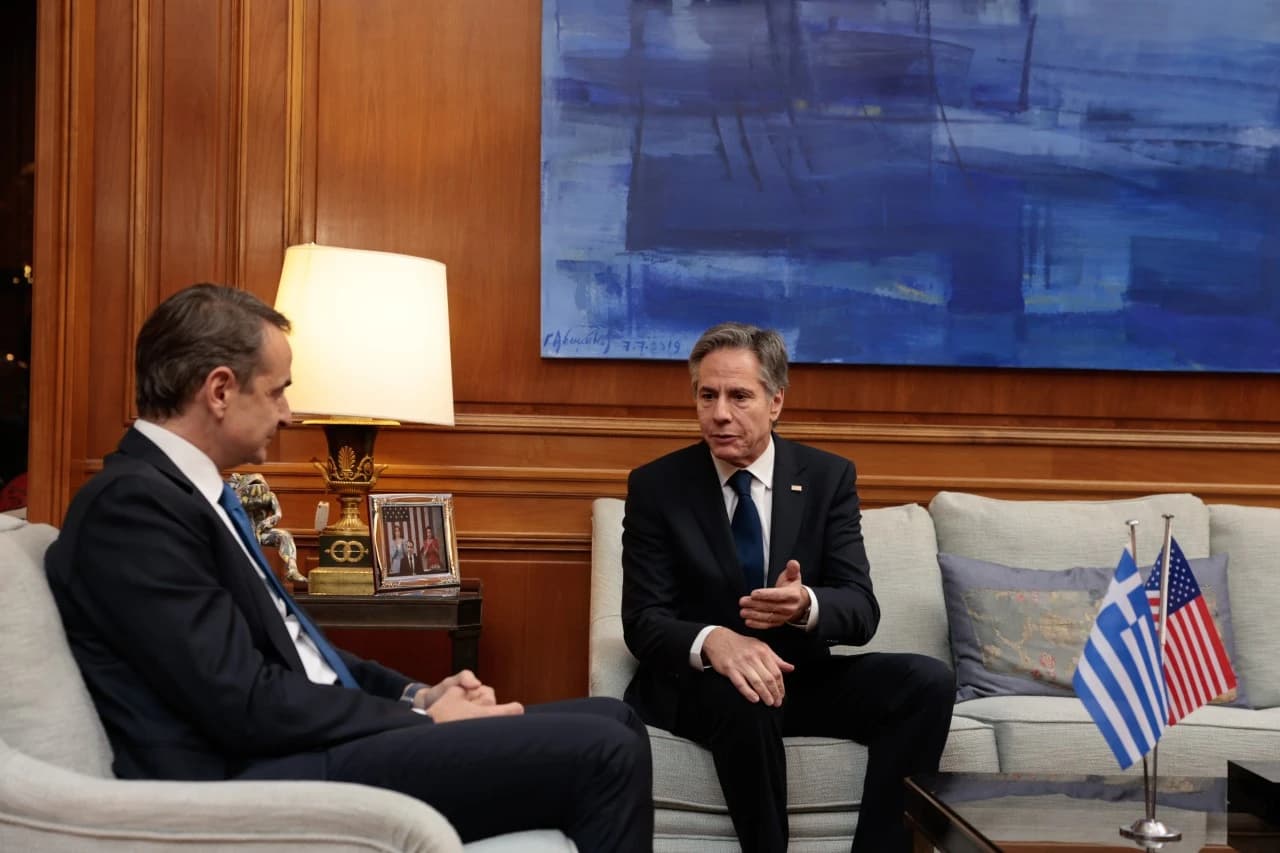
Egypt, Greece and Cyprus are trying to turn the Eastern Mediterranean into a more durable source of gas for Europe at a moment when supply insecurity from the Gulf is forcing buyers to look harder for alternatives.
That is the real significance of Tuesday’s summit in El Alamein: not just another diplomatic show of support, but a push to accelerate a practical export route that could help Europe diversify away from LNG cargoes exposed to the Iran war and disruption risk in the Strait of Hormuz. In a market where reliability often matters as much as price, that kind of optionality can carry real value.
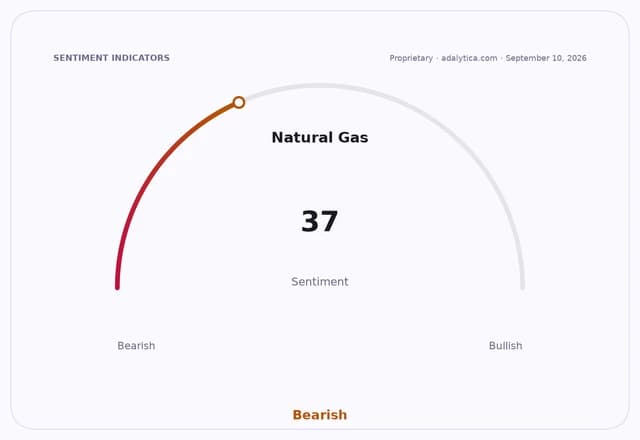
The three countries said they want the connection between Cyprus’s offshore gas fields and Egypt’s energy infrastructure finished as quickly as possible. Greece also offered itself as a possible transit route into southeast and central Europe, which would give the project a broader strategic purpose than simply moving gas to one buyer or one terminal.
The project’s anchor field, Cronos, is expected to start supplying gas from 2028, according to Eni. For investors, that matters because it is one of the few new non-Russian, non-Gulf supply stories in the region with a realistic path to market. Eni and TotalEnergies gave the project final investment approval on July 28, and McDermott said the Cypriot Eni unit had awarded it a contract worth $500 million to $750 million for engineering and installation work.
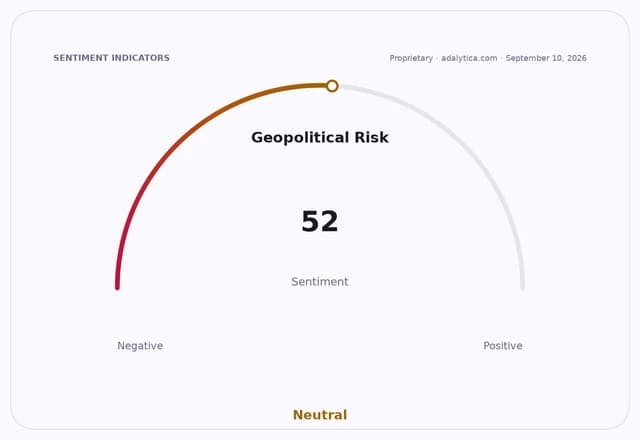
Using Egypt’s existing processing and liquefaction network is the key commercial advantage. Gas from Cronos would flow through an underwater pipeline to Egypt, use infrastructure linked to the Zohr field, then be liquefied at Damietta for shipment abroad. That should lower capital costs and speed development, while also helping Egypt restore steadier LNG exports after a period of supply weakness.
For Europe, the attraction is straightforward. Cronos is expected to produce the equivalent of about 2.8 million tons of LNG a year, a meaningful though not market-moving volume on its own. But in an energy system still rattled by geopolitical shocks, even modest new supply sources can improve bargaining power, support winter security, and reduce dependence on volatile seaborne routes.
The deal also reinforces the investment case for the companies involved. Eni and TotalEnergies each own half of Cronos and plan to market half the output, giving both exposure to a lower-risk export corridor backed by existing infrastructure. McDermott, meanwhile, picks up a sizable offshore contract tied to a project that now has political backing from three governments.
The long-term question is whether the Eastern Mediterranean can become more than a collection of stranded or delayed gas discoveries. If Egypt’s terminals, Cyprus’s fields and Greece’s transit role line up as planned, the region could become a more important piece of Europe’s energy map over the next several years. For investors, that makes the project worth watching as a potential beneficiary of the global scramble for secure gas supply.
| Entity | Gains | Losses |
|---|---|---|
| Cyprus/Eni-TotalEnergies Cronos | ▲Faster route to market | ▼Higher execution risk if delayed |
| Egypt | ▲Liquefaction fees and export volumes | ▼Pressure on infrastructure capacity |
| Europe | ▲More diversified gas supply | ▼Less leverage from scarce supply |
| Gulf LNG exporters | ▲— | ▼More competition for buyers |