CrowdStrike, Okta, Zscaler on AI security demand
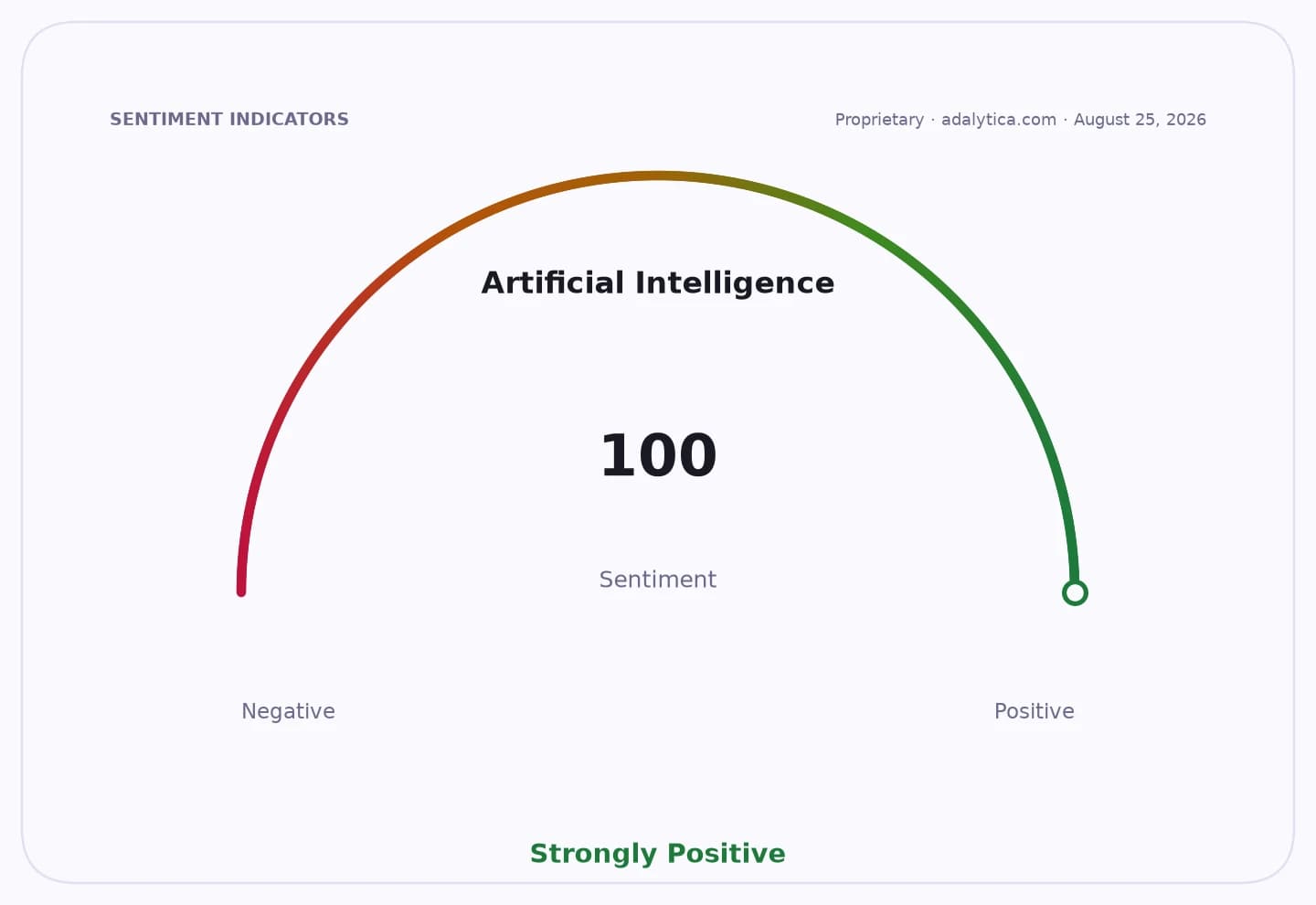
AI is fast becoming the next frontline in higher education cybersecurity, and investors should care because universities are not just buying more software — they are being forced to redesign how students, faculty, and AI agents get access to systems in the first place.
That shift matters economically because colleges and universities sit on a dense mix of identities, devices, research data, and cloud applications. As AI tools move deeper into campus life, the old model of logging in once and trusting the rest of the session is breaking down. Schools now need stronger identity controls, zero-trust access, and security layers that can spot both human users and non-human AI agents before they create a breach.
The opportunity reaches beyond higher education. The same access problem is showing up across enterprises as AI expands attack surfaces and gives hackers new ways to probe systems. Microsoft has already warned in its 10-K that increasing use of AI, including autonomous or semi-autonomous agents, may create new attack surfaces. Okta has said its platform is expanding to govern secure access for both human users and non-human identities, including AI agents. Zscaler has also pointed to rising exposure from digital transformation and growing AI usage.
For investors, that makes identity, endpoint, and zero-trust vendors the likely long-term winners. The market is already treating cybersecurity as a secular growth category, and AI is adding a new layer of demand rather than replacing the old one. CrowdStrike, Okta, and Zscaler all operate in areas where spending tends to persist because the cost of failure is catastrophic and the buying decision is increasingly tied to compliance, uptime, and trust.
CrowdStrike has been the clearest public-market beneficiary, with the stock closing at $190.68 on Aug. 24 after a huge run earlier in the summer that pushed it above $225. Even after the pullback, the shares remain far above the 200-day moving average, a sign the long-term trend is still intact despite recent weakness in the 50-day momentum readings. Okta has also had a volatile but powerful year, climbing as high as $154.95 before easing back to $130.97, while Zscaler reached $188.18 before settling near $176.06. Those moves tell you investors are already pricing in a bigger role for AI-related security.
The real investment lesson is that AI is not only creating new software categories; it is forcing institutions to spend more to stay safe. In higher education, that means better access controls, credential verification, and monitoring for unusual behavior tied to bots and agents. In corporate America, it means more budget for the vendors that can secure identities and protect traffic as AI scales.
There are risks, of course. Cybersecurity valuations can outrun fundamentals, and these stocks can swing sharply when growth expectations cool. But for long-term investors, the bigger picture is hard to ignore: every new AI deployment increases the value of the companies that can defend it. That makes cybersecurity one of the more durable ways to play the AI boom, especially on dips, and worth keeping on a long-term watchlist.
| Entity | Gains | Losses |
|---|---|---|
| CrowdStrike | ▲More demand for endpoint defense | ▼Budget-constrained buyers |
| Okta | ▲AI-driven identity spend | ▼Legacy access vendors |
| Zscaler | ▲Zero-trust adoption | ▼Perimeter security models |
| Universities | ▲Stronger security posture | ▼Friction in user access |