Crude Oil Rises After Saudi Pipeline Drone Strike
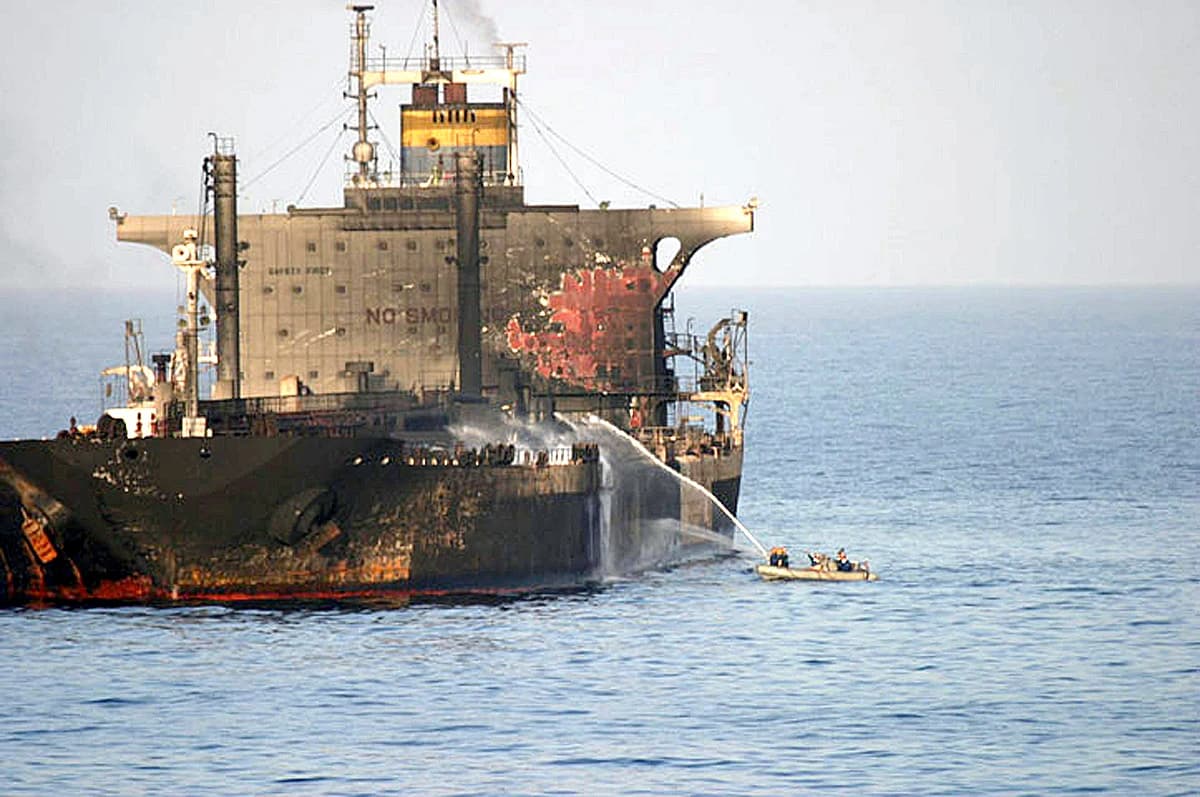
Crude oil’s jump above $104 a barrel has revived the prospect of higher petrol and diesel prices, even as Indian pump rates remain unchanged for now.
A drone strike on Saudi Arabia’s East-West oil pipeline, a critical route that carries a meaningful share of the kingdom’s crude to the Red Sea, has tightened supply in a market already sensitive to Middle East conflict. Brent was quoted at $107.90 a barrel and U.S. West Texas Intermediate at about $105, levels that keep fuel inflation back on the radar for import-dependent economies such as India.
For consumers, the immediate relief is that retail prices have not yet moved. Delhi’s petrol price remains at ₹102.12 a litre and diesel at ₹95.20, while rates in other major cities including Noida, Gurugram, Lucknow and Chandigarh were also steady. But the gap between stable pump prices and a surging global crude benchmark can only persist for so long if the supply shock lasts and refiners begin to pass through higher feedstock costs.
The economic stakes are larger than a temporary headlines-driven rally. Oil is one of the most important input costs in the global economy, and a rise of this kind feeds directly into freight, transport, plastics and a wide range of consumer goods. For India, where fuel taxes and state levies often buffer retail prices, the near-term impact may be muted, but the broader inflation risk rises if crude stays elevated, complicating the policy backdrop for the Reserve Bank of India and squeezing household spending power.

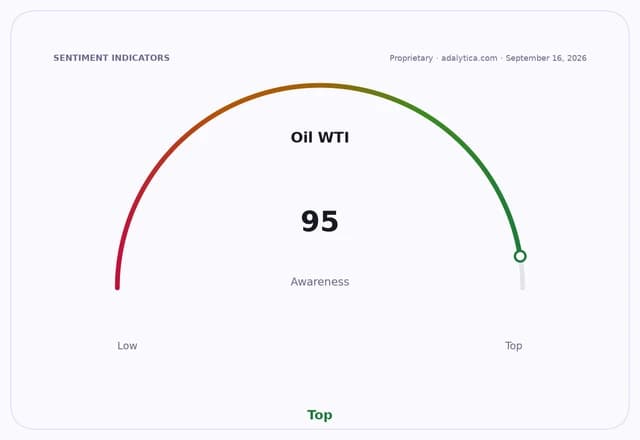
Markets are already treating the move as a supply-risk event rather than a one-off spike. Crude futures have broken sharply higher, with technical readings on WTI showing the contract well above both its 50-day and 200-day moving averages and an RSI in overbought territory, a sign that momentum has accelerated fast. Adalytica’s USO trade signals also show “Extreme Fear” in sentiment alongside “Extreme Greed” in awareness, underscoring how quickly the market has shifted from complacency to supply anxiety.
The oil rally is good news for upstream producers such as Chevron, Exxon Mobil and ConocoPhillips, which benefit from higher benchmark prices and are better positioned to defend cash flow if crude stays strong. Refiners and fuel consumers face the opposite: higher crude input costs can compress margins if product prices do not rise as quickly, while airlines, transport operators and emerging-market importers are exposed to the second-round effect through higher operating expenses.
The key question now is whether the Saudi pipeline outage proves temporary or becomes another prolonged disruption in a region where spare capacity and shipping routes are already under strain. If the closure lasts, petrol and diesel prices in India and other importing countries are more likely to rise, lifting inflation expectations and keeping energy markets volatile into the next round of geopolitical headlines.
| Entity | Gains | Losses |
|---|---|---|
| Oil producers | ▲Higher realized prices | ▼None in the near term |
| Refiners | ▲Potential product price pass-through | ▼Higher crude input costs |
| Indian consumers | ▲Short-term stable pump prices | ▼Risk of higher petrol and diesel bills |
| Importing economies | ▲Limited immediate impact if reserves hold | ▼Inflation and trade pressure |