Crypto regulation stalls as Trump ties complicate bill
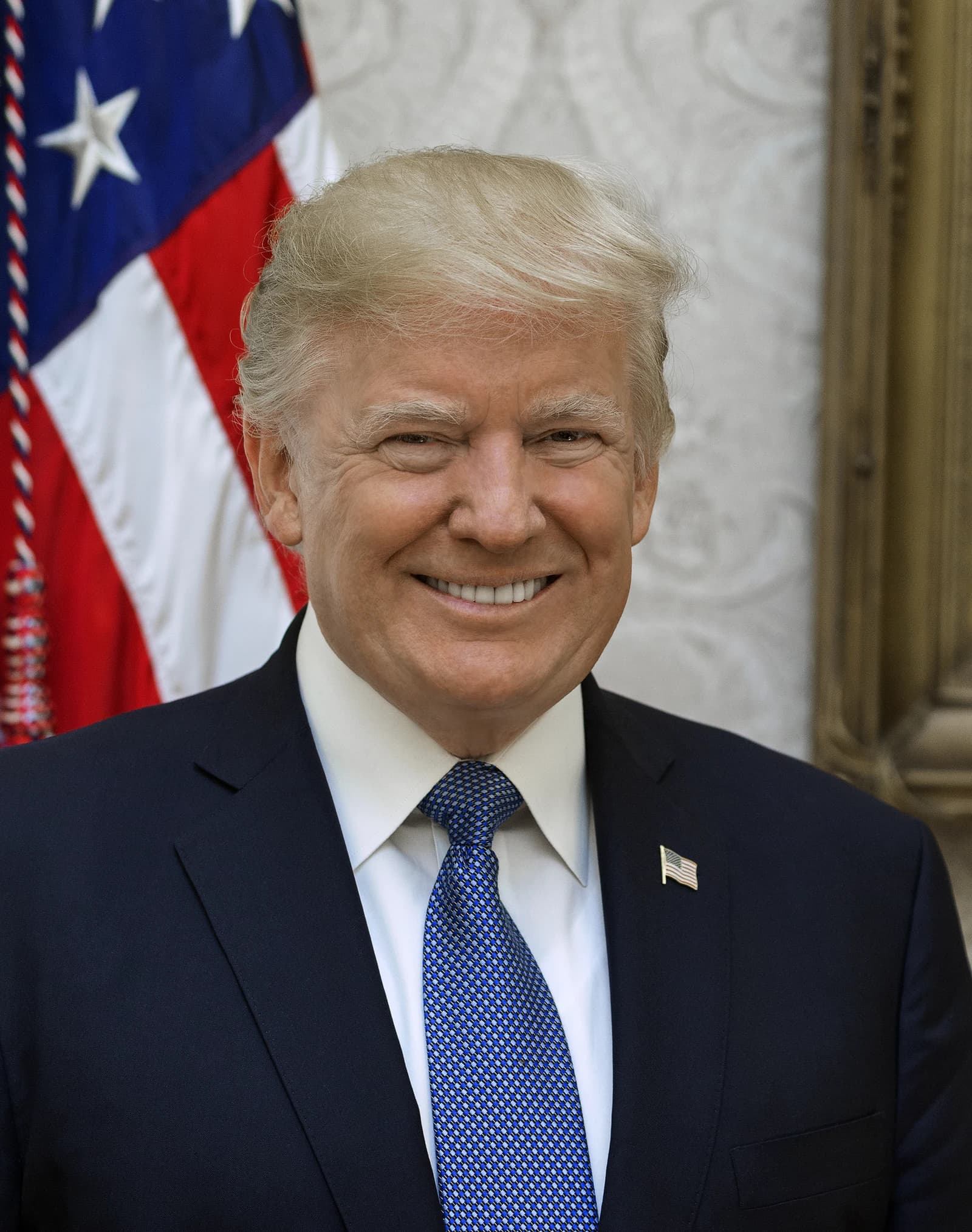
Trump’s huge personal payday from crypto is now hurting the industry’s best shot at durable U.S. regulation, and that is a far bigger problem for investors than one failed Senate vote.
For years, digital-asset companies argued that clearer rules would unlock the next phase of growth: more exchanges, more institutional participation and a cleaner path for tokens, brokers and custody businesses to operate in the U.S. The industry spent heavily to win allies in Washington, and in many ways it got what it paid for. The Trump administration has already dismantled much of the enforcement-heavy approach that defined the Biden years, regulators have softened their tone and the president signed stablecoin legislation.
But the bigger prize — the Clarity Act, which would have finally sorted out which agency regulates what — has stalled, and Trump’s own crypto ties are now part of the blockage. That matters because regulation is not a side issue for crypto; it is the business model. Without a workable legal framework, exchanges like Coinbase and market infrastructure firms remain exposed to shifting rules, legal ambiguity and the kind of political whiplash that keeps institutions cautious.
The problem is not just partisan resistance. Trump’s roughly $1.4 billion in crypto-related income last year gave Democrats an easy line of attack and turned an already difficult bill into a much harder sell. When the industry’s most powerful political ally is also one of its biggest financial beneficiaries, opponents can frame reform as self-dealing rather than market modernization. That is toxic in a Congress that already struggles to pass complex financial legislation.
For investors, the lesson is clear: policy wins in crypto are fragile when they depend on personalities rather than consensus. Bitcoin has held up far better than many altcoins, and the market still shows the kind of appetite that long-term believers want to see. Bitcoin was recently trading around $81,000, above both its 50-day and 200-day moving averages, a sign the broader uptrend is intact even after a violent drawdown earlier in the year. But the industry’s valuation case still rests heavily on the hope of U.S. clarity, and that hope just took a hit.
Shares of Coinbase have also recovered from deep weakness, but they remain highly sensitive to the policy backdrop because its growth story depends on a larger, more legitimate crypto economy. Strategy, the bitcoin-heavy treasury company, remains even more directly tied to the coin’s price and regulatory mood. When Washington stalls, it is not just lobbyists who lose — it is the entire ecosystem of listed crypto proxies that investors use to express a bullish view.
There is still a route forward. The Trump administration has already shown it can move markets and rules in crypto’s favor, and Congress could eventually revive the bill in some form. But this episode is a reminder that political access is not the same thing as legislative certainty. Investors should treat the sector as a long-duration bet on adoption, balance-sheet strength and business quality, not on headlines or one president’s favor. The industry may still win the war for legitimacy, but the path is clearly longer and messier than many bulls expected.
| Entity | Gains | Losses |
|---|---|---|
| Crypto industry | ▲Friendlier administration | ▼Clearer U.S. law delayed |
| Trump-backed crypto allies | ▲Policy access | ▼Ethics backlash |
| Coinbase and listed crypto firms | ▲Softer enforcement | ▼Regulatory uncertainty |
| Bitcoin holders | ▲Still-dominant asset appeal | ▼Short-term policy overhang |