Crypto Case Highlights Stablecoin Compliance Pressure
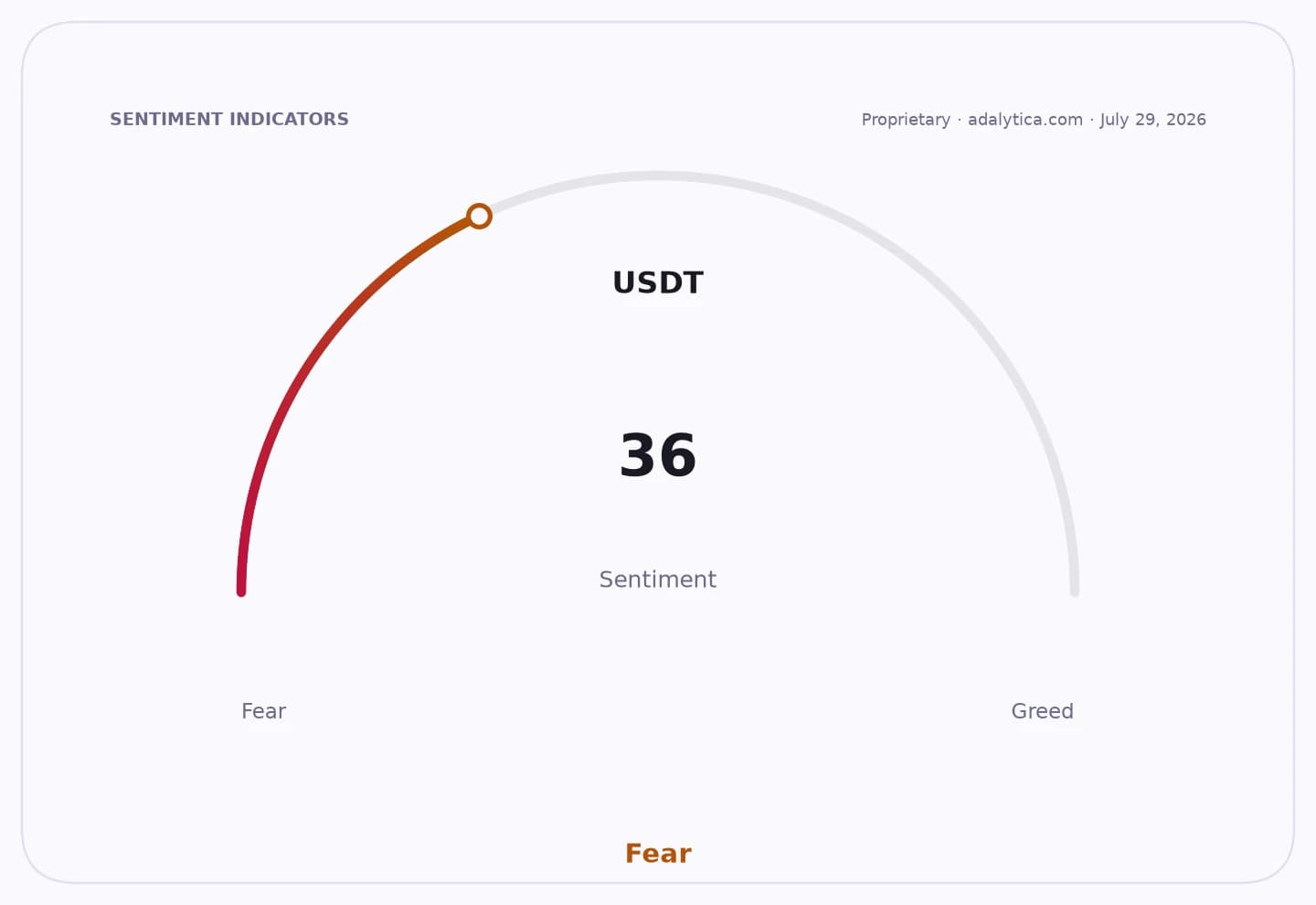
A major breakthrough in an East Kutch kidnapping case has underscored a bigger economic reality for investors: crypto is still useful for criminals, but it is no longer a reliable escape hatch. Police say kidnappers sent a ransom payment of 5,84,500 USDT to the Dubai-based brother of the abducted businessman, only for authorities to recover an amount equivalent to about Rs 5.55 crore, a reminder that blockchain rails can move money quickly even as they leave a trace.
That matters far beyond one case. Every high-profile ransom recovery reinforces the case for tighter enforcement around digital assets, especially stablecoins such as USDT, which are designed to track the US dollar and are widely used because they are fast, liquid and easy to transfer across borders. For regulators, the message is simple: crypto’s reach is global, but so is the ability to follow the money. For investors, that means the industry’s long-term growth will depend less on anonymity and more on compliance, custody and trust.
The wider market backdrop helps explain why this story lands now. Bitcoin has been trading around the mid-$60,000s, with recent readings showing the coin above its 50-day moving average but still well below its 200-day average, a sign that momentum has improved without fully resetting the bigger trend. Ethereum has also stabilized after a deep pullback, while Coinbase has bounced from this year’s lows. In other words, crypto assets remain investable, but they are moving through a phase where legitimacy may matter more than speculation.
That is especially true for stablecoins. USDT is not just a trading instrument; it is part of the plumbing of the crypto economy. Its use in a kidnapping ransom, and the fact that police were able to recover the proceeds, highlights both its utility and its vulnerability. The more stablecoins are used for illicit transfers, the more pressure lawmakers and exchanges face to tighten monitoring, improve wallet screening and cooperate with law enforcement. That could be a long-term positive for regulated venues and custodians, even if it creates friction for the most permissive parts of the market.
For long-term investors, the takeaway is not to avoid crypto altogether. It is to distinguish between the assets and the infrastructure around them. Bitcoin and Ethereum still look like the core network assets of the digital economy. Platforms that provide custody, compliance and transaction transparency may benefit as the market matures. By contrast, businesses that rely on weak controls or regulatory gray areas could face rising costs and reputational risk.
The East Kutch case is a reminder that crypto’s biggest story is no longer just price action. It is the slow conversion of a borderless financial tool into a regulated financial system. That shift should help the strongest players and hurt the weakest, and it is one reason investors may want to keep both Bitcoin and the broader crypto infrastructure on their watchlist for the next three to five years.
| Entity | Gains | Losses |
|---|---|---|
| Police and investigators | ▲Better tracing tools | ▼Criminal anonymity |
| Regulated crypto platforms | ▲More trust and compliance demand | ▼Shadow-market activity |
| Bitcoin and Ethereum holders | ▲Mainstream legitimacy | ▼Fresh headline risk |
| Criminals using USDT | ▲Fast cross-border transfer | ▼Higher seizure risk |