Cuba has moved to let foreign companies and joint ventures hire workers directly, a long-sought change that could make the island more attractive to investors even as the economy remains under severe strain.
Cuba lets foreign firms hire workers directly
The decree, published in the official gazette, ends the mandatory use of state employment agencies for firms with mixed capital, wholly foreign capital and international economic association contracts. It also allows those companies to open bank accounts abroad, take credit from foreign lenders and direct their profits more freely, including setting up worker bonus funds.
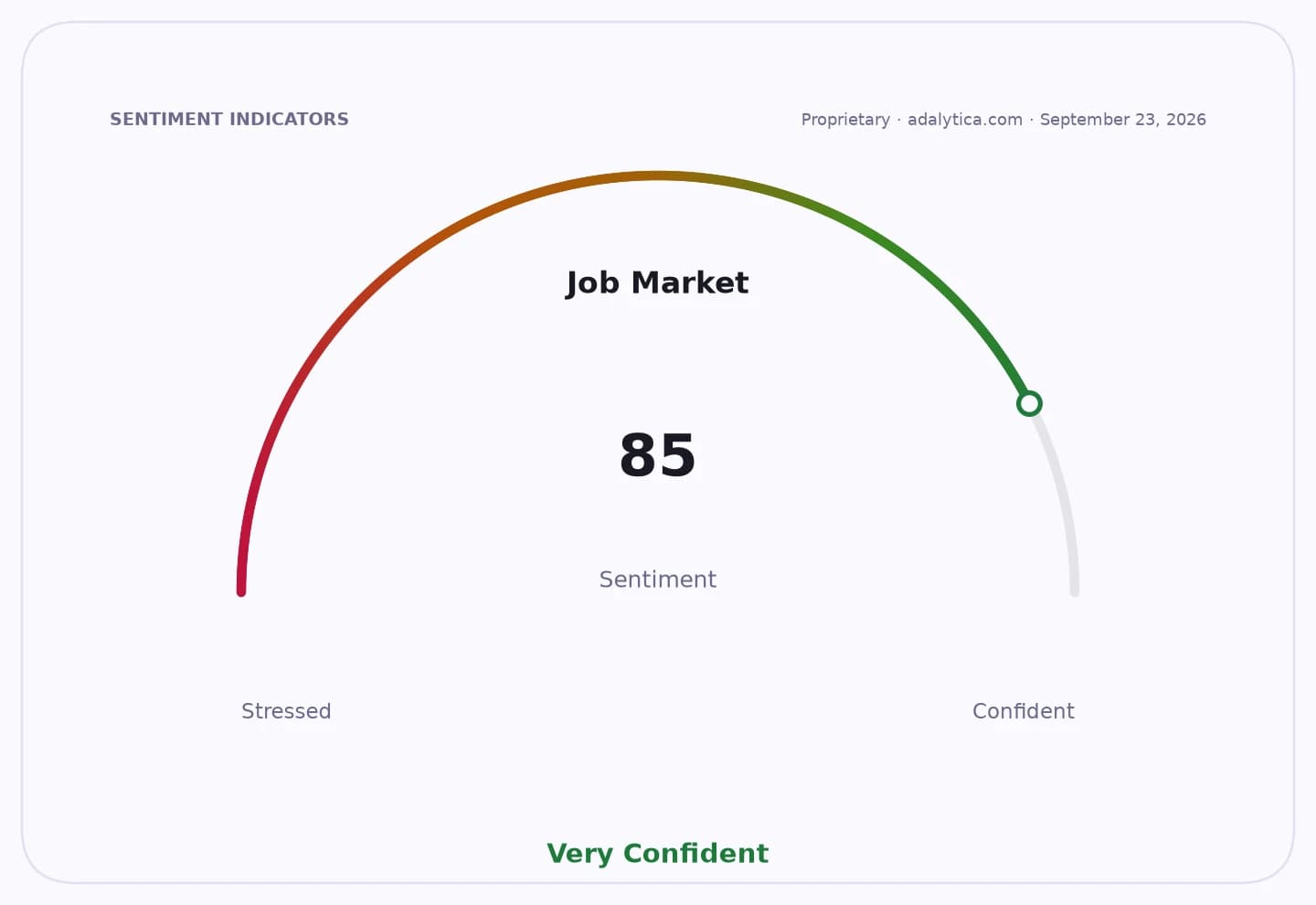
Sentiment IndicatorsⓘProprietary · adalytica.com · September 4, 2026
This is a snapshot — live sentiment, awareness and momentum for 130+ markets update continuously in the dashboard.Open AlphaPulse
For investors, the biggest significance is practical: direct hiring reduces a layer of state control that has long slowed recruitment, limited pay flexibility and forced foreign firms to route employment through government entities. That system also helped the state capture a large share of wages, a major deterrent for multinational companies already weighing Cuba’s sanctions-hit economy, power shortages, inflation and transport breakdowns.
The rules still preserve state control in important ways. Employment agencies will remain in place for some workers, while former defense and interior ministry cadres remain subject to separate clearance procedures. Hotel management and certain service contracts are excluded from the bonus provisions, limiting the scope of the new pay incentives.
Cuba’s central bank said firms must notify it within seven days if they open accounts overseas, and can face requests for additional information. The trade ministry separately issued a new list of more than 500 prohibited or restricted imports and exports, underscoring that the government is liberalizing selectively rather than dismantling controls.
The measures are part of a broader package tied to Cuba’s reform agenda, but they come amid capital flight and persistent investor frustration. The key question for markets and companies now is whether Havana follows this with enough operational freedom, hard-currency access and regulatory consistency to slow the exodus of foreign capital and revive stalled projects.
| Entity | Gains | Losses |
|---|---|---|
| Foreign firms in Cuba | ▲Faster hiring, more flexibility | ▼Less state oversight |
| Cuban workers | ▲Direct contracts, possible dollar bonuses | ▼Fewer guaranteed state filters |
| Cuban government | ▲Potential investor appeal | ▼Lower control over labor flows |
| State employment agencies | ▲Retained role in some cases | ▼Lost monopoly on foreign hiring |