Curocell is about to turn a decade of development spending into revenue after South Korea approved reimbursement for its homegrown CAR-T therapy Rimkato, a move that could reshape the country’s small but strategically important market for advanced cancer treatments.
Curocell Rimkato wins Korea reimbursement
The National Health Insurance Service has completed pricing talks for Rimkato and the therapy is set to be covered from the first day of next month, with an upper insurance price of 280.01605 million won per infusion. For a company that has reported no meaningful sales since 2021, the decision removes the biggest commercial barrier to monetising the drug and shifts Curocell from pure development story to revenue-generating biotech.
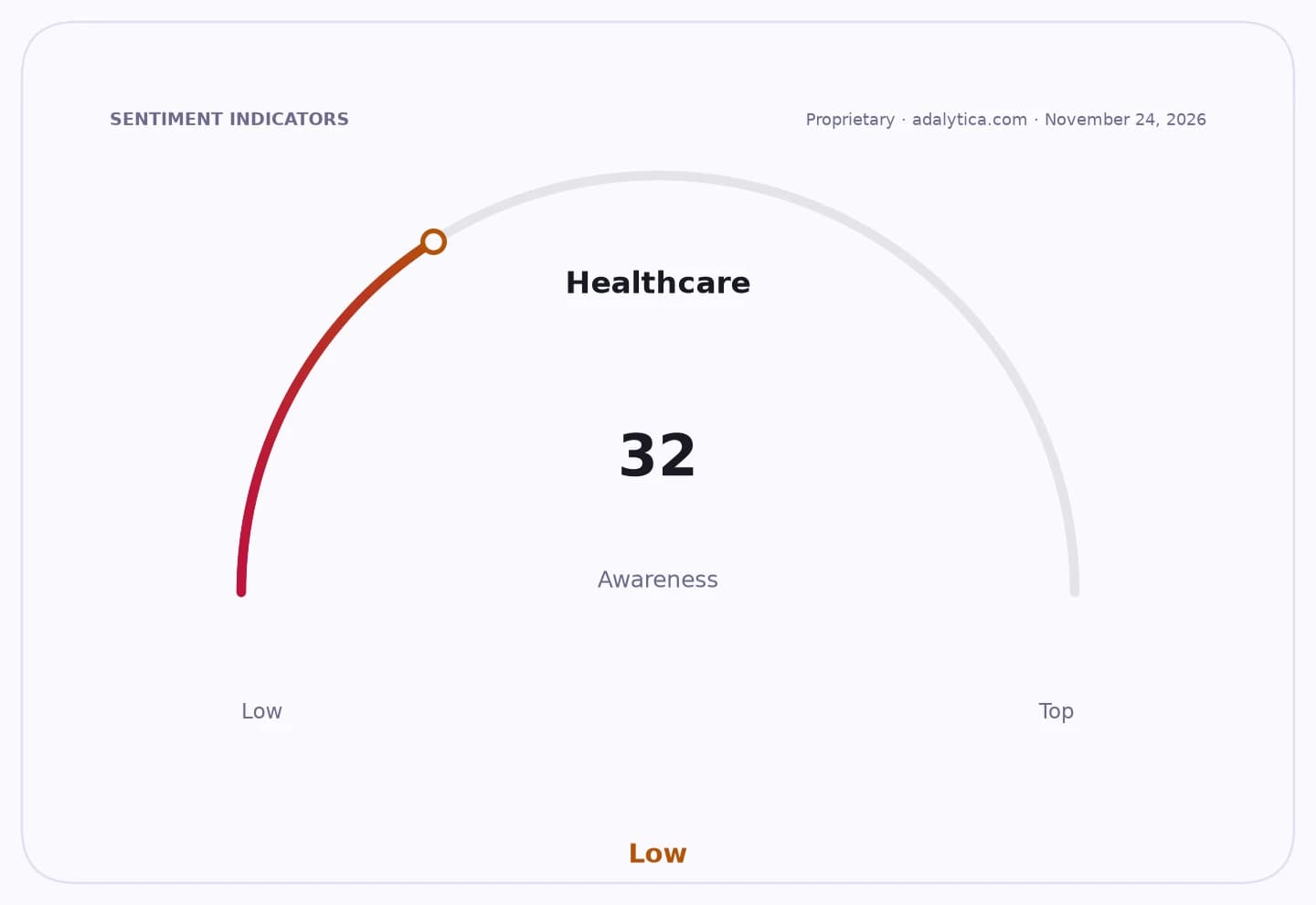
Sentiment Indicators
The market significance is bigger than one product. CAR-T therapies are among the most expensive cancer treatments in the world because each dose is custom-made from a patient’s own T cells and can cost several hundred million won without coverage. That makes reimbursement the difference between a niche academic treatment and a scalable commercial asset. In South Korea, where Rimkato becomes the first locally developed CAR-T to secure reimbursement, the policy decision also broadens patient access and may accelerate adoption in relapsed or refractory diffuse large B-cell lymphoma, the initial indication.
For investors, the key issue is whether Curocell can convert that regulatory win into durable sales before larger rivals move in. Novartis’s Kymriah is currently the only reimbursed CAR-T treatment in the domestic market, so Rimkato enters with a clear opening. Curocell also says local manufacturing can cut the time from T-cell collection to infusion to about two weeks, versus roughly a month for imported therapies, a practical advantage in aggressive lymphoma where delays can matter clinically and commercially.
Curocell said it plans to begin treatments this year and aims to treat about 200 patients next year, which would imply roughly 56 billion won in drug sales at the current ceiling price. The company is also preparing a phase 3 trial in the first half of next year to expand Rimkato into second-line treatment, a move that would widen the eligible population and strengthen its case against imported products. It is targeting Japan first for overseas expansion, betting that nearby Asian markets will be easier to serve from a domestic production base.
The competitive backdrop is tightening. Appclon has finished patient registration for its CAR-T candidate Nespecel in phase 2 and has a domestic exclusive sales deal with Chong Kun Dang, while Gilead’s Yescarta has also gained a reimbursement path for second-line diffuse large B-cell lymphoma in Korea. That means Rimkato’s reimbursement is not just a commercial milestone for Curocell; it marks the start of a broader race to capture a nascent CAR-T market that could eventually become a two-horse, or more crowded, contest.
| Entity | Gains | Losses |
|---|---|---|
| Curocell | ▲First meaningful revenue | ▼Development-only profile |
| Patients with DLBCL | ▲Better access and faster treatment | ▼High out-of-pocket burden |
| Novartis Kymriah | ▲Demand from established position | ▼Monopoly-like lead |
| Appclon, Gilead | ▲Bigger CAR-T market awareness | ▼Delay in share gains |