China’s effort to float memory-chip maker ChangXin Memory Technologies is more than a corporate milestone — it is a sign that Beijing is trying to turn one of the world’s most strategic supply chains into a national industrial weapon.
CXMT IPO Signals China’s Memory-Chip Ambitions
For investors, that matters because memory is no longer just a cyclical commodity business. It sits at the center of the AI buildout, the broader semiconductor race and China’s push to reduce dependence on foreign suppliers such as Samsung, SK hynix, Micron and, increasingly, U.S. chip controls. If CXMT can tap public markets, it could gain the capital needed to keep scaling domestic production, narrow technology gaps and deepen China’s self-sufficiency drive.
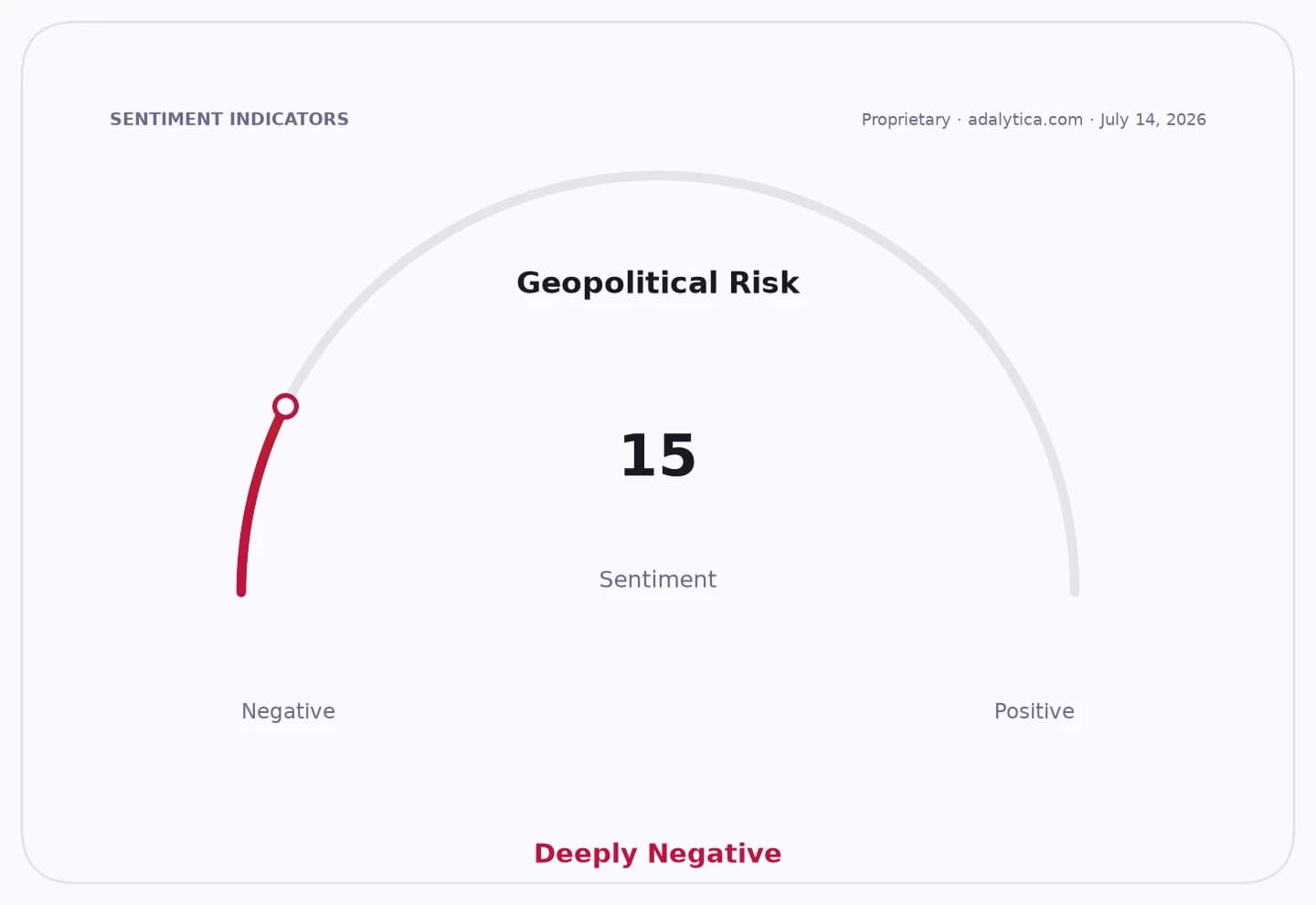
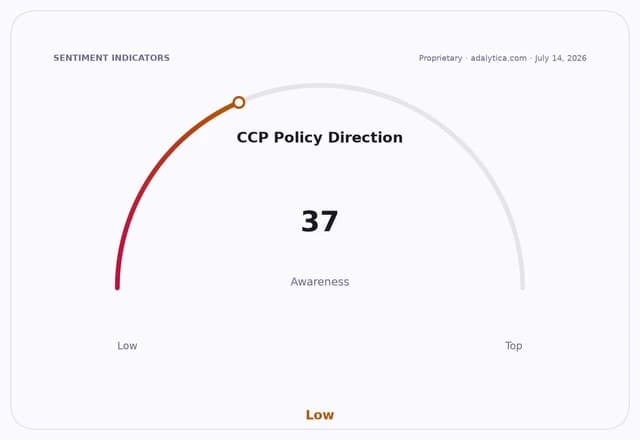
Sentiment IndicatorsⓘProprietary · adalytica.com · July 14, 2026
This is a snapshot — live sentiment, awareness and momentum for 130+ markets update continuously in the dashboard.Open AlphaPulse
That is the long-term story behind founder Zhu Yiming emerging as the public face of China’s memory ambitions. Beijing has made clear it wants local champions in chips, and the timing is not accidental. China is simultaneously tightening its stance on foreign technology access and leaning harder into homegrown AI and semiconductor capabilities. The result is a more fragmented global memory market, where geopolitics can shape demand, supply and pricing as much as end-user electronics cycles do.
The stakes are especially high for companies like Micron and Western Digital, which have already been riding a powerful memory upswing. Micron shares have surged far above both their 50-day and 200-day moving averages, though the stock’s recent pullback and a softer RSI reading suggest some of the momentum has cooled after a blistering run. Western Digital has seen a similar pattern: a sharp rally, then a retreat from recent highs as traders reassess how durable the boom will be.
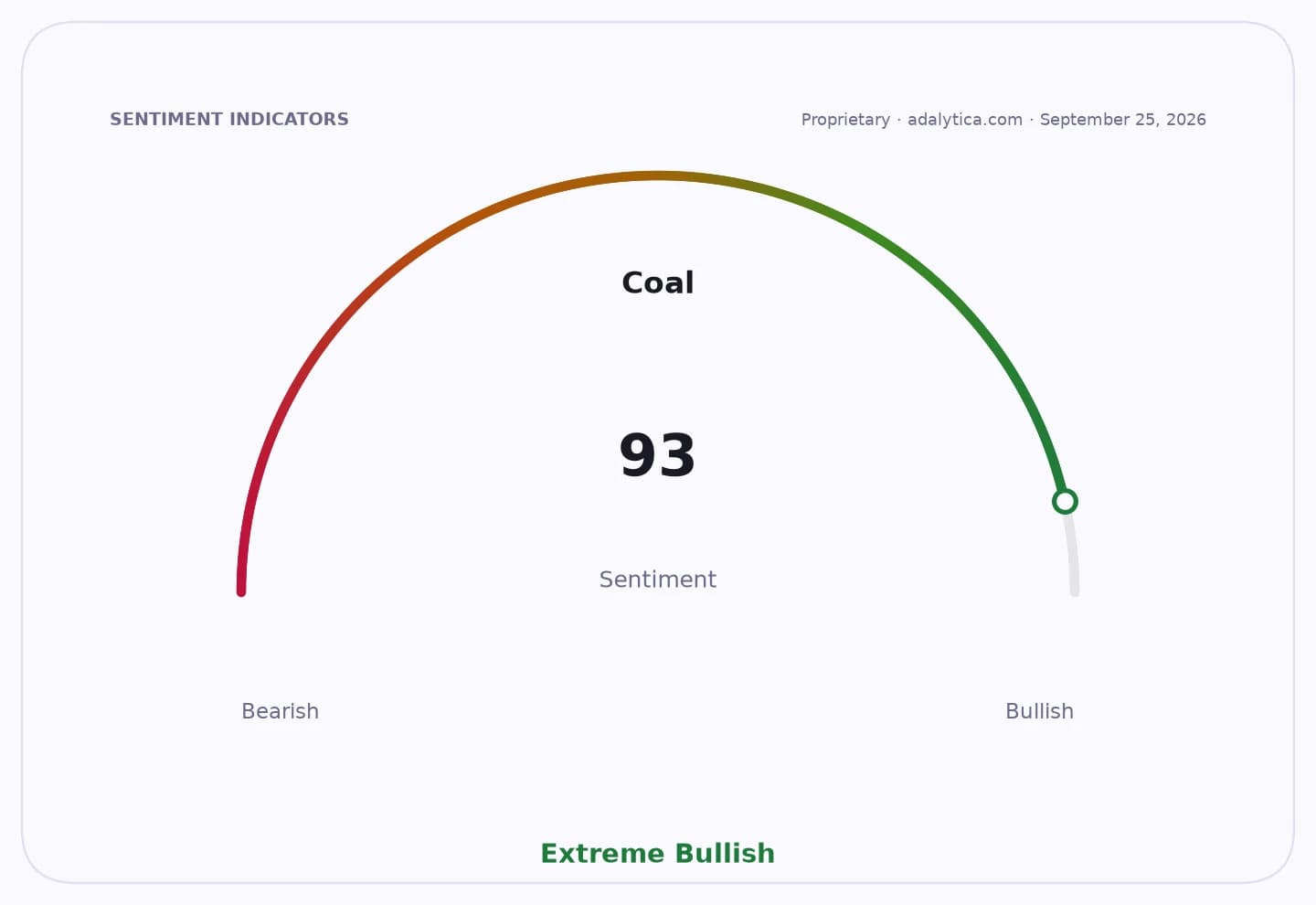
CCP Policy Direction — 30-day sentimentadalytica.com
Explore this data interactively — full history, time series and cross-market comparisons.Open AlphaPulse
None of that means the AI memory story is over. Micron’s own filings say data-center demand tied to generative AI is outpacing the industry’s ability to increase supply, and that higher-performance products like HBM are seeing especially strong demand. That is the bullish thesis that still matters for long-term investors: as AI models become larger and more memory-hungry, suppliers with scale, pricing power and advanced packaging know-how can compound earnings for years.
But China’s push adds a new wrinkle. If CXMT gets listed and expands aggressively, it could eventually pressure global leaders on pricing, even if it remains behind technologically for now. Investors should think of that less as a near-term threat to the current AI cycle and more as a medium-term reminder that semiconductor leadership is never static. Capital, policy support and supply-chain control can all change the competitive landscape faster than many market participants expect.
For patient investors, the key takeaway is simple: the memory market is being pulled in two directions at once. AI is creating one of the strongest demand waves in years, while China is trying to build a parallel domestic ecosystem that could cap some of the long-term excess profits. That makes the sector worth owning, but only as part of a diversified portfolio and with a multi-year horizon. CXMT’s IPO plans are worth watching because they could mark the next phase of China’s semiconductor campaign — and the next chapter in a market that has become every bit as geopolitical as it is technological.
| Entity | Gains | Losses |
|---|---|---|
| CXMT / Zhu Yiming | ▲Funding access; national profile | ▼Scrutiny; execution pressure |
| China’s chip policy | ▲Less foreign dependence | ▼Higher costs; slower catch-up |
| Micron and Western Digital | ▲Near-term AI memory demand | ▼Future China competition |
| Samsung / SK hynix | ▲Current market leadership | ▼Potential pricing pressure |