Cyprus Natural-Gas Revenues May Start in 2028
Cyprus is moving closer to turning offshore gas discoveries into cash, with the government saying the island could book its first natural-gas revenues in 2028, a milestone that matters as Europe keeps hunting for non-Russian supply and investors weigh where the next wave of upstream spending will pay off.
For Cyprus, the timing is more important than the headline number. Natural-gas exports would mark the first meaningful monetisation of decades of exploration work and give the country a new strategic asset at a time when fiscal resilience and energy security have become more closely linked. For Europe, even modest volumes from the eastern Mediterranean can help broaden supply options and reduce dependence on a tighter global LNG market.
The development also fits a broader market backdrop in which energy prices remain elevated enough to support upstream projects, but not so easy as to make every project economic. US crude was around $84.71 a barrel in the latest forecast, while natural gas futures were trading near $2.78 on Monday after a volatile year that has seen prices swing from below $3 to above $7.50. That backdrop helps explain why governments and producers are still pressing ahead with long-lead offshore projects: the revenue opportunity is real, but so are the risks of delay, cost inflation and price volatility by the time first molecules flow.
Investor interest will focus on who captures the value chain. Cyprus stands to gain from royalties, taxes and a stronger geopolitical role in the EU energy map. European buyers gain a new supply source. Offshore contractors, equipment suppliers and service groups could also benefit as development advances, especially if the project moves from announcement to final investment decisions and infrastructure buildout. The bear case is equally clear: eastern Mediterranean projects have long timelines, require coordination across borders and can be vulnerable to technical, commercial and political setbacks before any revenue reaches the state.
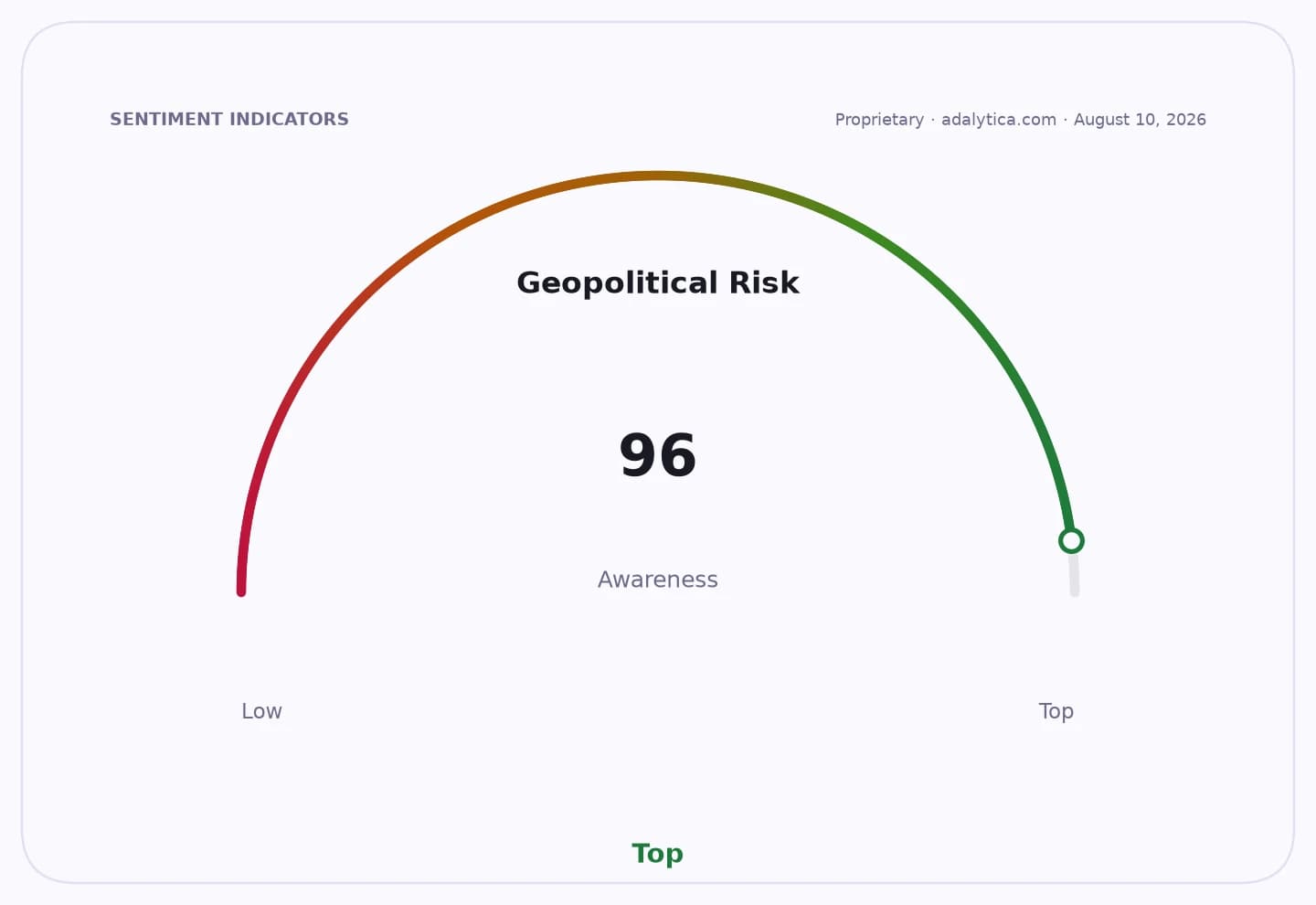
The market implication is less about immediate earnings than about optionality. Cyprus has effectively put a timetable on a future cash stream, and that makes the project easier to evaluate alongside competing gas developments in the Mediterranean and elsewhere. With Adalytica’s natural-gas trade snapshot showing deep fear in the commodity and global stability readings at extreme greed, the story is as much about strategic supply insurance as it is about spot prices.
What matters next is whether Cyprus can keep the project on schedule and lock in the infrastructure, financing and offtake agreements needed to convert geology into revenue. If it does, 2028 could be the year the island begins to move from exploration story to energy exporter.
| Entity | Gains | Losses |
|---|---|---|
| Cyprus government | ▲New tax and royalty revenue | ▼Delay risk and execution burden |
| EU gas buyers | ▲More supply diversification | ▼Less reliance on existing suppliers |
| Offshore contractors | ▲Development work and contracts | ▼If project slips or shrinks |
| Competing gas exporters | ▲Less monopoly power | ▼Share of future European demand |