Czech Budget Deficit Raised to 389 Billion Koruna
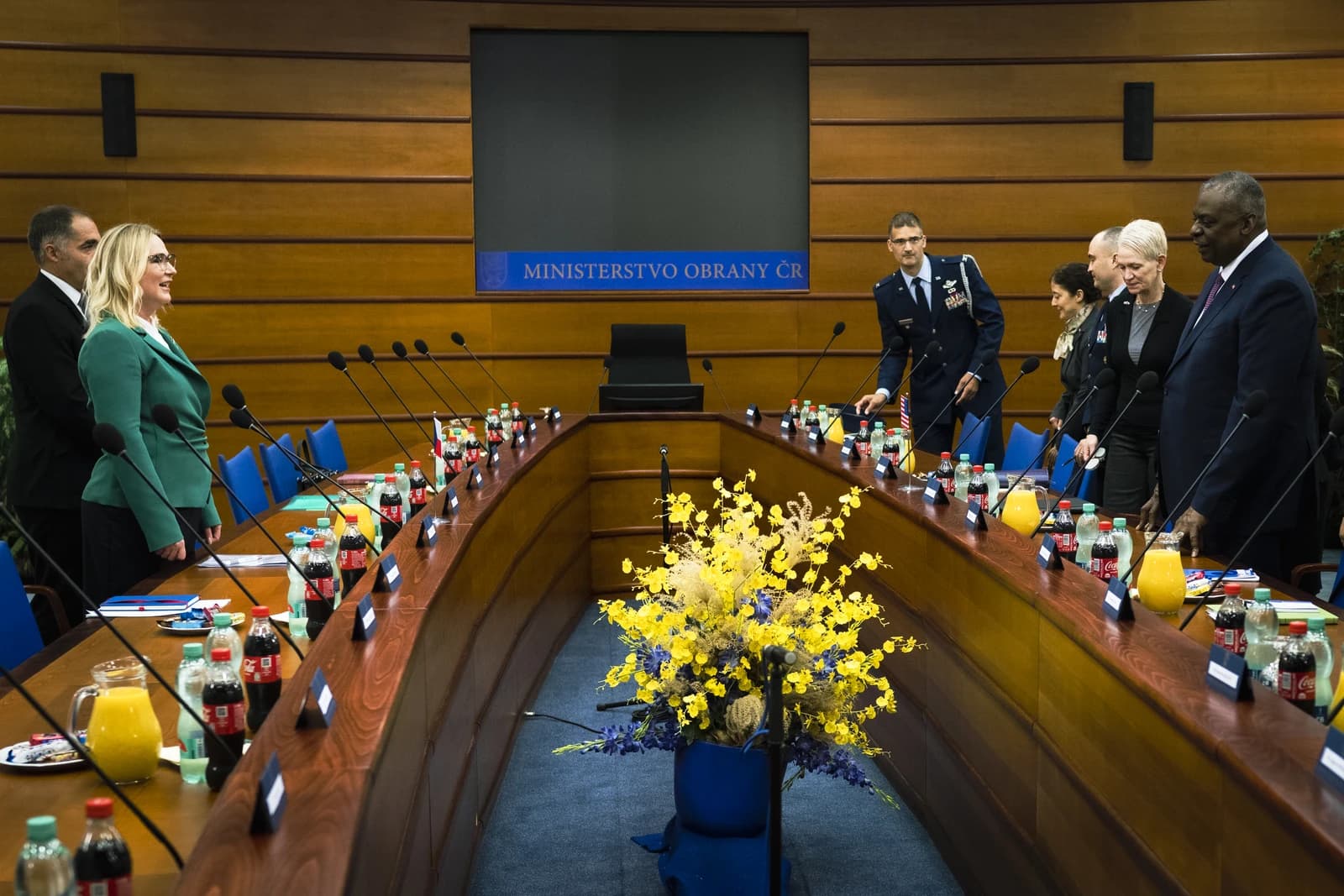
The Czech government is preparing to lift next year’s budget deficit to 389 billion koruna, a move that locks in a big increase in spending while bringing defense outlays to the NATO floor of 2% of GDP.
That matters because the draft budget signals Prague is choosing to absorb higher borrowing costs and a looser fiscal stance rather than cut spending sharply at a time when Europe’s security outlook remains fragile. For investors, it raises the odds of a heavier sovereign financing need, a steeper debate over fiscal credibility and, potentially, firmer pressure on local yields and mortgage rates.
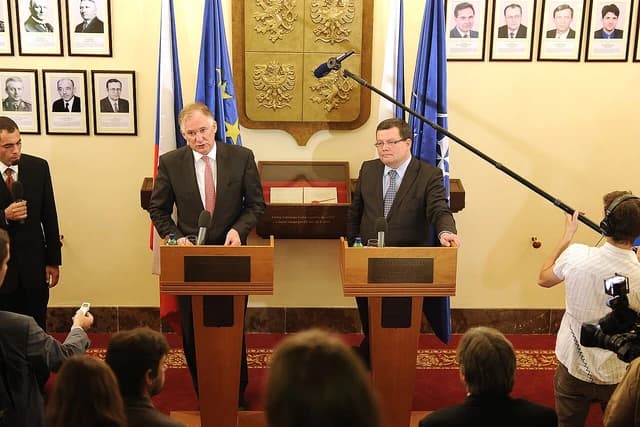
Finance Minister Alena Schillerova said the defense ministry should receive 191 billion koruna, or about 2% of output, under her proposal. That would keep the Czech Republic aligned with the NATO commitment adopted in 2014, even as the alliance at its 2025 Hague summit agreed a much more ambitious target of 5% of GDP by 2035.
The deficit would be the second largest in Czech history, behind only the pandemic-era shortfall in 2021. It also comes after the ruling coalition loosened fiscal responsibility rules last week, giving the government room to present a budget that is far more expansionary than markets had been expecting.
Schillerova is trying to frame the package as growth-supportive rather than purely deficit-driven, pointing to 290 billion koruna of pro-growth investment, higher health spending and an additional 36 billion koruna for public-sector pay. But economists are already warning that a deficit approaching 400 billion koruna in a year without a recession risks lifting funding costs across the economy.
That is where the story matters beyond Prague. Larger borrowing needs can feed through into sovereign yields, corporate financing costs and household mortgage rates, while the defense allocation underscores a broader European rearmament cycle that continues to favor arms makers, equipment suppliers and infrastructure contractors. Czech authorities have already signed major procurement deals for U.S. F-35 fighter jets and German Leopard 2 tanks, and they plan further upgrades to artillery and air defense.
For investors, the tension is clear: the budget supports domestic demand and defense-linked spending, but it also tests how much fiscal slippage bondholders, rating analysts and the central bank are willing to tolerate. The next focal points are whether the final draft stays near the proposed deficit, how Parliament handles it, and whether Prague can persuade markets that higher defense spending is being matched by a credible medium-term path back toward lower deficits.
| Entity | Gains | Losses |
|---|---|---|
| Czech defense contractors | ▲More procurement demand | ▼Budget scrutiny |
| NATO allies | ▲Higher Czech burden-sharing | ▼Pressure for larger future targets |
| Czech government | ▲More room for spending | ▼Fiscal credibility |
| Bondholders and mortgage borrowers | ▲— | ▼Higher funding costs |