Czech PM blames intelligence service over disinformation
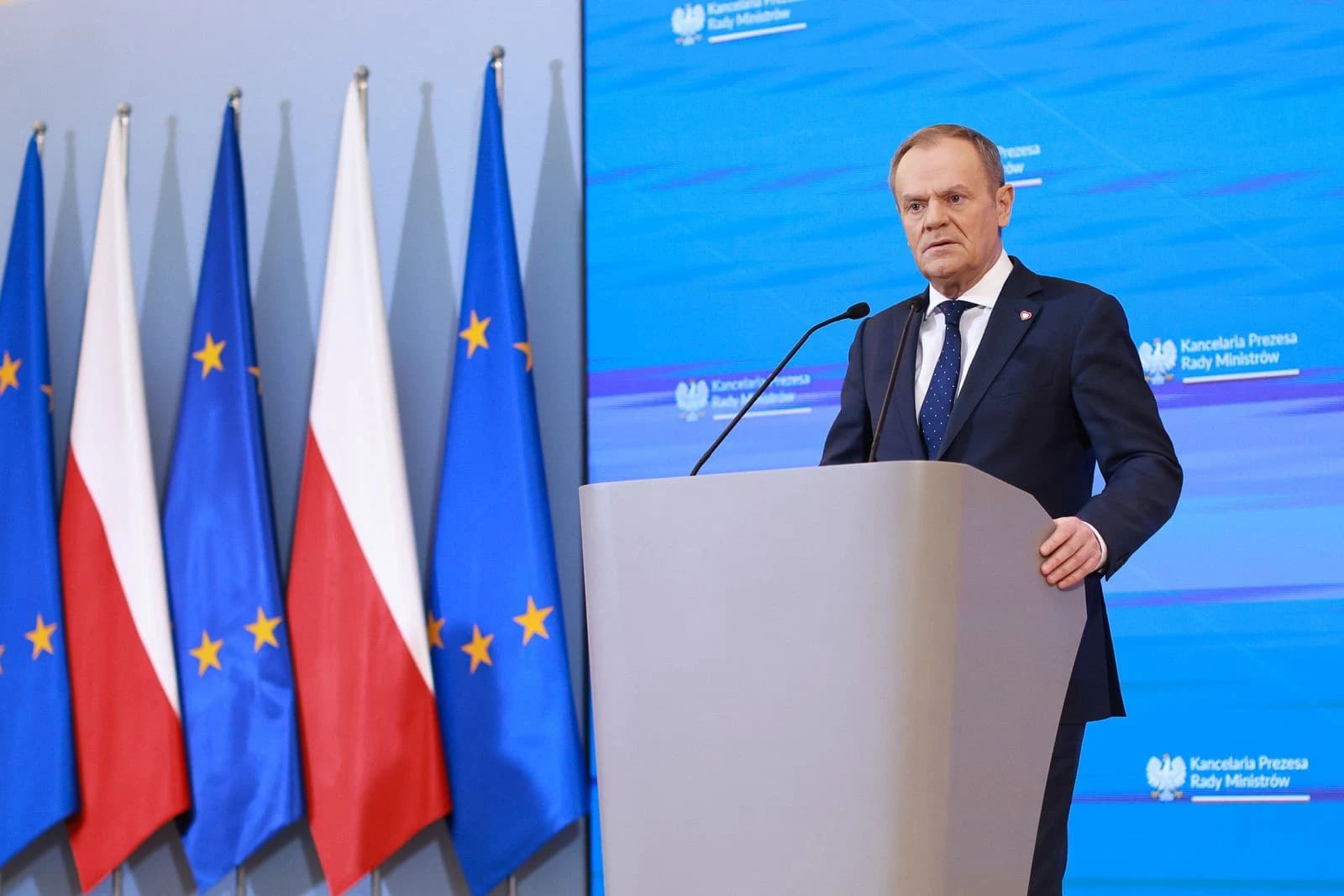
Prague’s political row with its intelligence service matters because it exposes a security lapse at a moment when Poland, the Czech Republic and NATO’s eastern flank are under pressure from coordinated disinformation and military signaling from Russia.
Czech Prime Minister Andrej Babis accused the intelligence service of failing to warn the government in time about an online campaign aimed at stoking hostility between Poles and Czechs, according to the source report. The campaign pushed claims that Poland intended to seize Czech territory, while hackers defaced or cloned media and diplomatic websites, including a Polish radio station and fake pages posing as Czech public broadcaster and embassy accounts.
The episode is economically relevant less for any direct market impact than for what it says about the resilience premium investors assign to Central Europe. Disinformation that worsens relations between neighbors can complicate coordination on border security, energy infrastructure, defense procurement and EU policy, all of which affect sovereign risk perceptions and longer-term capital allocation. For a region already trading with a geopolitical discount, every sign of institutional weakness can raise the cost of insurance, debt and corporate hedging.
The dispute also feeds into a wider security narrative on NATO’s eastern flank. The source material says Polish officials were forced to clarify their stance on nuclear sharing after a deputy defense minister said Warsaw did not want nuclear warheads on its soil, prompting a rapid rebuttal from the defense minister. Former Polish presidential security chief Jacek Siewiera said Poland remains interested in NATO’s nuclear-sharing program and in any future European nuclear deterrence scheme, underscoring how sensitive deterrence messaging has become.
That sensitivity is amplified by Russia’s military drills and strategic signaling. Siewiera pointed to a Russian test of a conventional intercontinental missile and described the broader backdrop as one of possible escalation against NATO. For investors, the takeaway is that headline risk in the region is not confined to energy markets or defense stocks; it can spill into currencies, sovereign spreads and the outlook for cross-border investment if governments are seen as divided or slow to respond.
The Czech premier’s criticism of the intelligence service therefore sits inside a broader contest over deterrence, information warfare and alliance credibility. The immediate political fallout may be domestic, but the market implication is regional: the more governments have to spend defending the information space, the less room they have to project stability to investors.
| Entity | Gains | Losses |
|---|---|---|
| Czech government | ▲Reasserts oversight | ▼Inherits credibility risk |
| Intelligence service | ▲— | ▼Public blame and scrutiny |
| Poland-Czech security ties | ▲Stronger urgency | ▼Strained by disinformation |
| Investors in Central Europe | ▲Clarity on risk premium | ▼Higher geopolitical uncertainty |