Czech Young Adults Feel Inflation Most
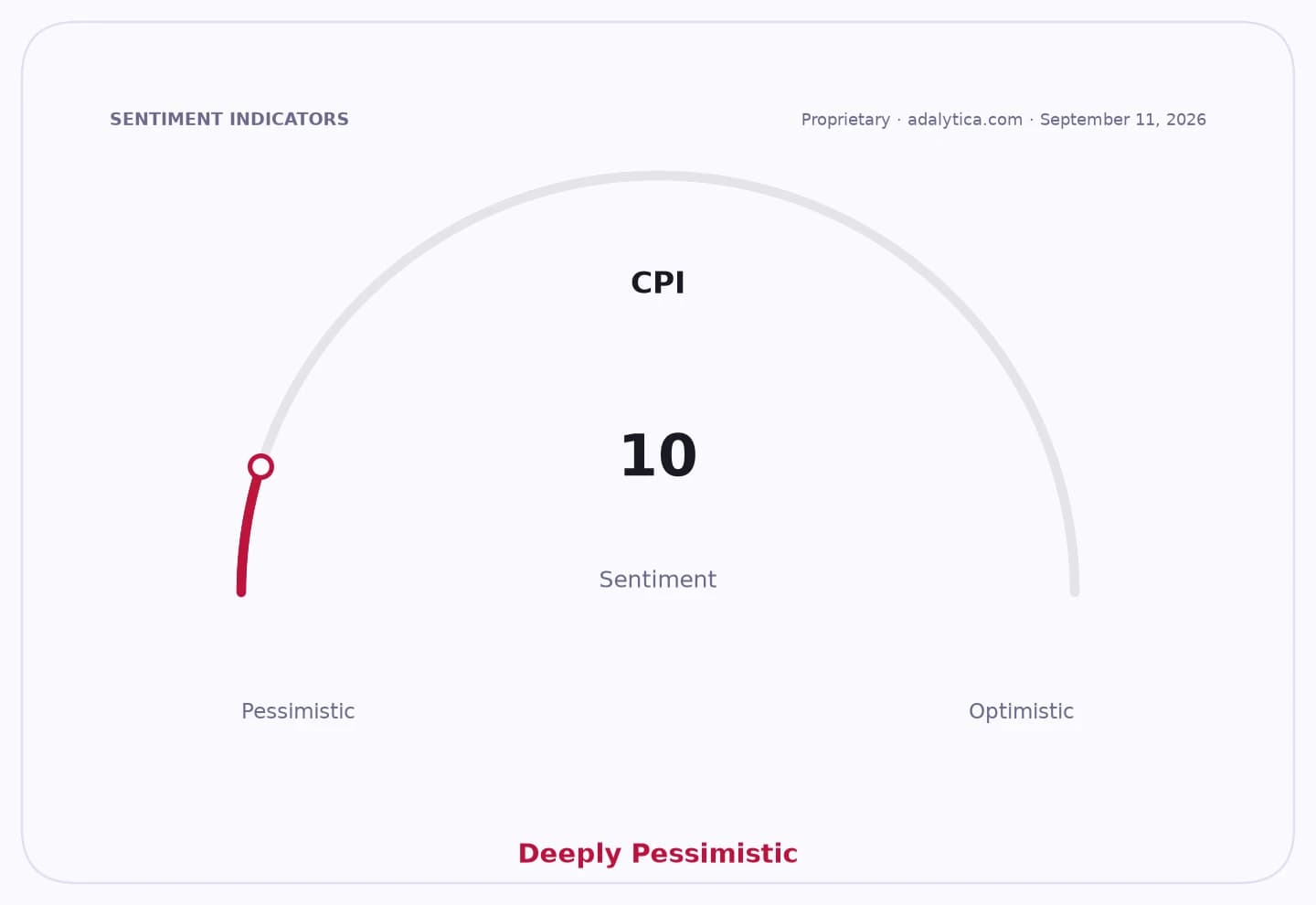
Young Czechs remain the most inflation-sensitive group even as price growth has eased, underscoring how housing and everyday essentials continue to shape household behavior and spending in the Czech economy.
A survey by Generali Investments CEE showed 83% of people aged 18 to 26 said they feel the effects of inflation, compared with 72% in the 45-to-53 age bracket. The findings suggest that disinflation has not fully restored consumer confidence, particularly for younger households that face some of the country’s highest housing costs.
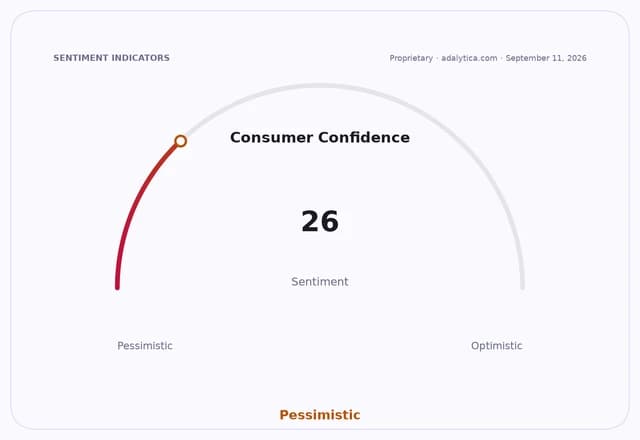
That matters economically because inflation is no longer only a macro statistic in the Czech Republic; it is feeding directly into spending restraint, savings decisions and political pressure around cost of living. The survey found housing remained the top source of financial concern for the third year running, with one in five respondents naming it the main source of uncertainty. Inflation itself was cited as the biggest problem by 13%, far below the 46% reported in 2023, showing how the immediate panic has faded even though the underlying burden has not.
The shift is consistent with a labor market that is still relatively firm and headline inflation that has retreated to lower levels. Czech consumer prices rose 1.9% year on year in August, while unemployment held at 5%, suggesting there is no broad-based economic stress. But real-world sentiment is being shaped more by persistent housing expenses, energy costs and food prices than by the headline inflation rate.
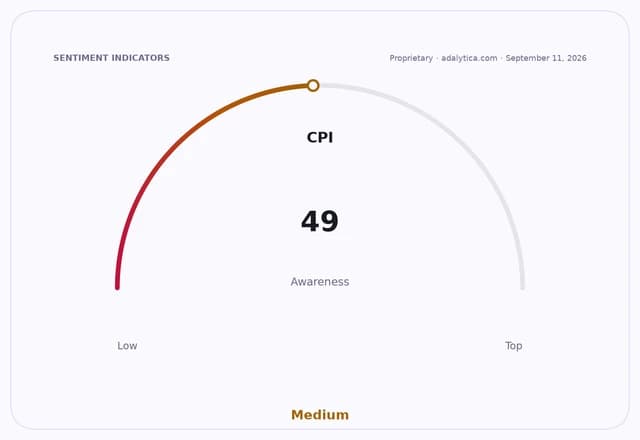
Generali Investments said the decline in perceived inflation pressure looks temporary, pointing to the risk of renewed price pressure from energy and food. That warning matters for investors because it suggests Czech households may keep behaving defensively even if inflation remains contained by regional standards. More than half of respondents said they had changed how they manage savings over the past six months, and 12% feared losing more than a tenth of their savings this year.
The survey also shows how inflation psychology is broadening beyond prices alone. Nearly eight in 10 respondents worry about the impact of fuel costs on the economy, and seven in 10 see climate change as negative for growth because it could lift prices for food, energy, water and housing. Among younger adults, 40% said they fear climate-related housing price increases, reinforcing the view that affordability — not just inflation — is the central economic fault line.
For markets, that means consumption may remain cautious even as the Czech economy avoids sharper weakness. Households are still cutting energy and water use, nearly half are saving on food, and restaurant spending remains constrained. For retailers, utilities and consumer-facing businesses, that points to a customer base that is improving only slowly and remains highly price sensitive.
The broader narrative is that Czech inflation has come down, but the cost-of-living shock has not been fully unwound. Younger households are still absorbing the heaviest burden, and until housing and essential costs ease more decisively, consumer confidence is likely to remain fragile even in a relatively stable macro backdrop.
| Entity | Gains | Losses |
|---|---|---|
| Budget-conscious retailers | ▲Price-sensitive demand | ▼Margin pressure |
| Czech households with savings | ▲Positive real returns on deposits | ▼Inflation risk to wealth |
| Young renters/buyers | ▲None | ▼Housing affordability |
| Consumer staples and utilities | ▲Defensive demand | ▼Lower discretionary spending |