DAX Falls After ECB Rate Hike and Higher Oil
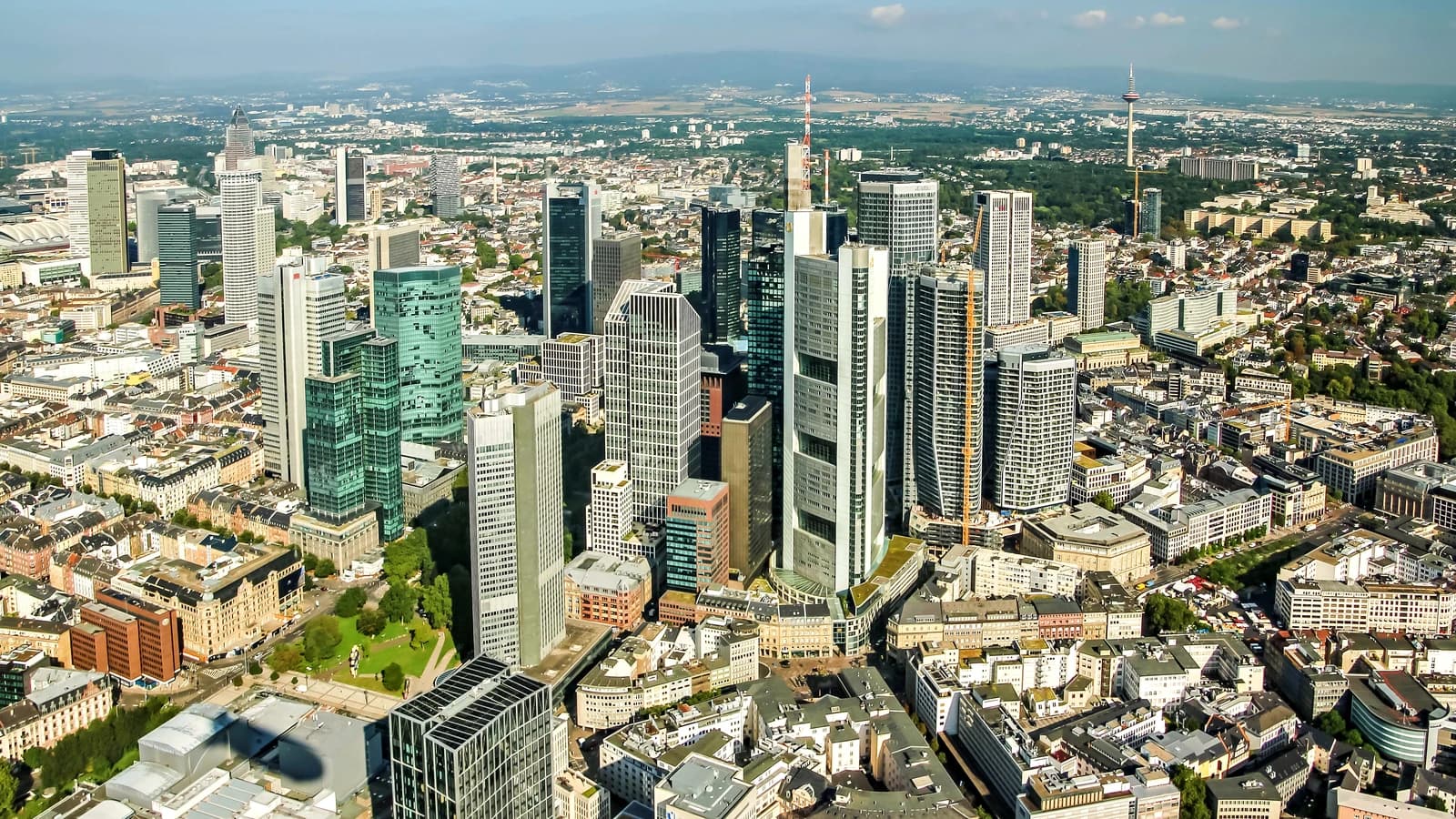
The European Central Bank’s widely expected rate hike is adding pressure to the DAX just as higher oil prices and renewed inflation risks leave investors with little room for comfort.
Frankfurt’s blue-chip index fell to a session low of 25,463 points, down 0.4% after the ECB decision, and was already more than 2% lower for the week. The move matters because it reinforces a simple but painful market reality: Europe is being forced to tighten policy into an inflation backdrop that is being aggravated by geopolitical stress, not relieved by it.

That is the wrong environment for equity multiples. Rate hikes raise the discount rate on future earnings, but in Europe the bigger issue is that they also squeeze cyclical demand at the same time as energy costs rise. The report cited oil prices at their highest since May, a fresh inflationary tailwind that complicates the ECB’s job and increases the risk that policy stays restrictive longer than markets want to believe.
For investors, the message is bigger than one red session in the DAX. German large caps are exposed to global growth, industrial margins and energy-intensive production, so they are vulnerable when borrowing costs rise and fuel prices move higher together. That combination tends to punish exporters, banks and rate-sensitive sectors while favoring businesses with pricing power, lower energy intensity and stronger balance sheets.
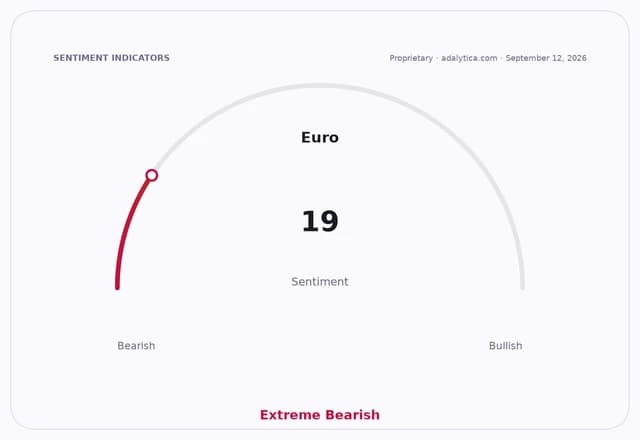
The price action in the DAX also fits the broader cross-asset stress visible in European markets. The euro’s trade signals from Adalytica.com show fear building even as awareness remains elevated, a sign that the market is paying attention but not necessarily getting more comfortable. In U.S. equities, Adalytica’s S&P 500 trade signals point to extreme fear, underscoring that this is not an isolated European wobble but part of a broader global repricing of risk.
The investable takeaway is that the ECB’s hike is less a one-day headline than a warning that Europe’s inflation fight is not over. Until energy prices stabilize and growth expectations stop deteriorating, the DAX remains vulnerable to further de-rating, and investors should continue favoring defensives, quality exporters with pricing power, and energy-linked beneficiaries over cyclical laggards.
| Entity | Gains | Losses |
|---|---|---|
| ECB | ▲Inflation-fighting credibility | ▼Growth-sensitive equities |
| Oil producers | ▲Higher crude prices | ▼Energy-intensive manufacturers |
| DAX exporters | ▲Pricing power leaders | ▼Rate-sensitive cyclicals |
| Bond investors | ▲Higher yields | ▼Equity valuations |