DAX Weakens on Higher Rates and Options Expiry
Investors are entering the weekend with a simple message from central banks and markets: liquidity is no longer a free good, and that is why the DAX is expected to trade weaker.
The Bank of Japan’s 25-basis-point rate hike to 1.25% adds to a globally tighter monetary backdrop just as the Federal Reserve has already restarted its own tightening cycle after a three-year pause. With the 10-year U.S. Treasury yield easing back below 5% to around 4.94% on softer oil, markets are being forced to balance slower inflation against the reality that funding costs are still moving higher. For Europe, that means less room for valuation expansion and more pressure on rate-sensitive sectors, even as headline energy fears ebb.
The DAX’s weakness fits that broader picture. The index opened down 0.47% at 25,596.46 and then slipped further as traders positioned for the “Hexensabbat” options expiry, a session that often amplifies short-term moves and punishes complacency. Technicals also show the German benchmark losing momentum: it remains above the 200-day moving average but is sitting below the 50-day average, with the relative strength index in deeply oversold territory. That is not a catastrophe, but it does tell you the market is vulnerable to another leg lower if macro headlines stay unsettled.
For investors, the more important point is that this is not just a DAX story. It is a capital-allocation story. When rates are rising in the U.S. and Japan at the same time, global money becomes more selective. That usually favors companies with pricing power, structural growth and direct exposure to secular spending, while punishing cyclicals that depend on cheap financing and stable demand. In Europe, that split matters more than ever because the region is also dealing with geopolitical risk in the Middle East and the lingering drag from cautious industrial and consumer sentiment.
That is why the real opportunity is not to chase the index bounce, but to identify the names that can grow through the tightening cycle. Microsoft remains the clearest example. Its Azure and Copilot franchises are exactly the kind of AI infrastructure and software monetization the market pays up for when capital is scarce. Microsoft’s latest filing showed Intelligent Cloud revenue up 30% to $31.5 billion and Azure growth of 41%, with management also flagging rising investment in AI infrastructure to support Microsoft 365 Copilot demand. In a market suddenly demanding earnings discipline, that combination of growth and cash generation is rare. The current pullback in the stock to just under $494 does not change the bigger thesis: Microsoft is still one of the few mega-cap names capable of compounding through a higher-rate regime.
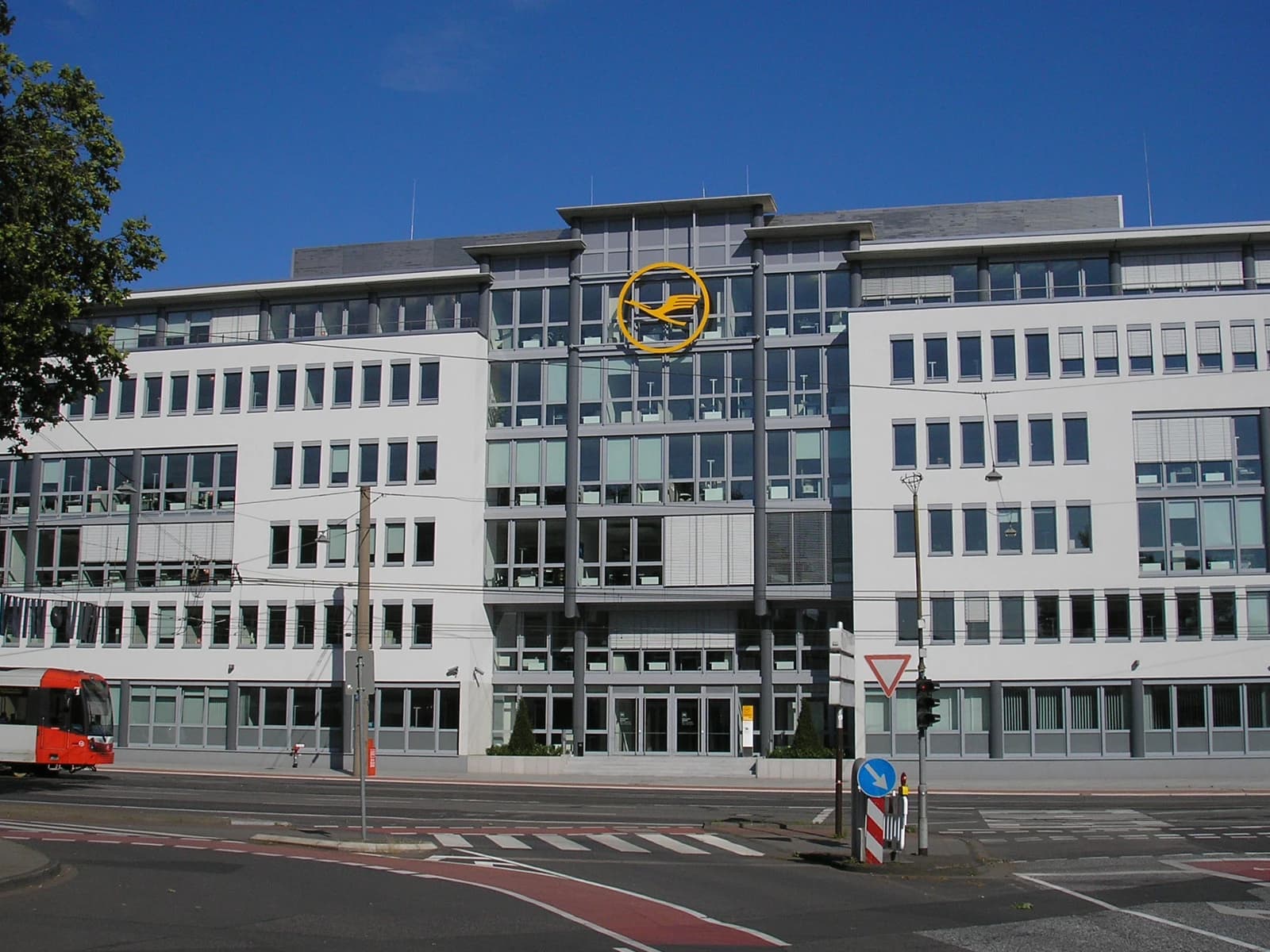
In Germany, the industrial and defense backdrop is more mixed but still investable. Lufthansa is continuing to expand its Boeing 737 MAX fleet, which speaks to demand recovery and fleet renewal, but it also keeps the airline exposed to fuel, financing and execution risks in a less forgiving macro environment. Rheinmetall’s involvement in the first delivered German F-35 fighter jet underscores the scale of Europe’s rearmament cycle, a theme that remains one of the strongest secular demand stories on the continent. Even if the DAX stumbles in the short term, defense spending is a multi-year capex wave that should keep the winners bid.
Volkswagen is on the other side of the trade. The workers’ council chief demanding job guarantees from carmakers is a reminder that Europe’s auto sector is still wrestling with restructuring pressure, weak visibility and political friction over labor costs. In a world of higher rates and tighter margins, that is exactly where investors should be cautious. The market will keep rewarding names tied to defense, cloud and automation, and keep punishing businesses that need constant volume growth just to stand still.
The near-term call on the DAX is straightforward: volatility stays elevated, and index-level downside can persist while central banks keep squeezing liquidity. But the bigger investment takeaway is more constructive. Use weakness in the broad market to accumulate the structural winners of the new regime — AI infrastructure, defense and selective industrial enablers — rather than betting on the old low-rate playbook. The market is telling you capital is getting more expensive; the smartest money should be asking who turns that squeeze into an advantage.
| Entity | Gains | Losses |
|---|---|---|
| Microsoft | ▲AI/cloud monetization | ▼Broad-market multiples |
| Rheinmetall | ▲Defense spending boom | ▼Peace dividend trade |
| Lufthansa | ▲Fleet growth | ▼Fuel and rate pressure |
| Volkswagen | ▲Job-commitment leverage | ▼Cost flexibility |