DAX Outperforms as Europe Struggles
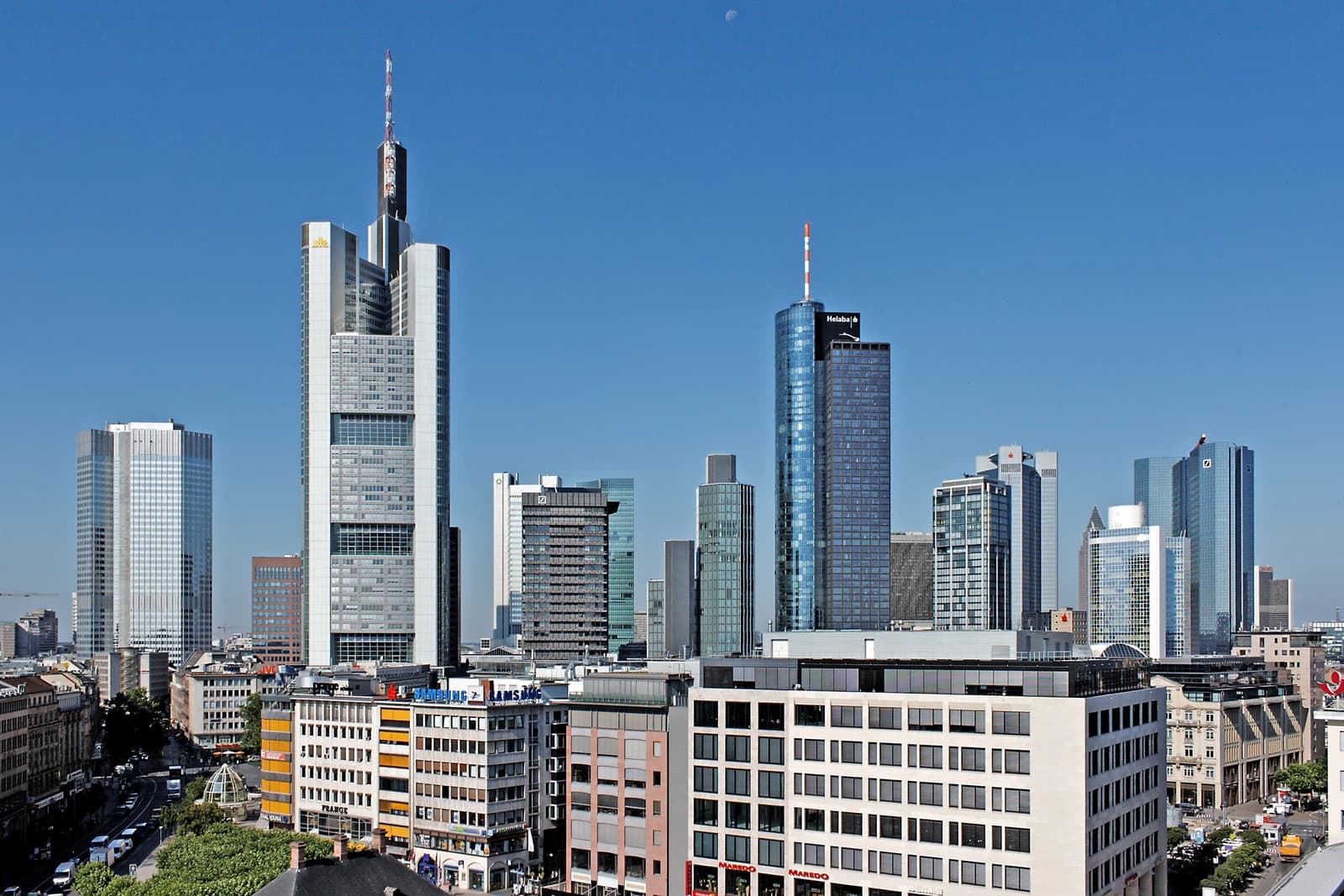
European equities are under pressure, but Frankfurt is proving more resilient than the rest of the region, and that relative strength is the real market story. Germany’s DAX finished the week up 0.53% at 26,440.31, yet it still failed to print a fresh record as late selling tied to a weaker Wall Street tone dragged on sentiment across Europe.
That matters because this is not a clean risk-on breakout; it is a fragile advance being tested by global macro crosscurrents. When U.S. equities soften, Europe’s export-heavy bourses usually feel it fast, and the fact that the DAX is still leading tells investors the bid is concentrated in a narrow set of large-cap names rather than broad-based confidence in the region’s growth outlook. In other words, the market is rewarding quality and defensive cash flows, not betting on an accelerating European cycle.

The price action backs that up. The DAX has climbed to 47.40 in the ETF proxy data, well above its 50-day moving average of 44.86 and its 200-day moving average of 44.21, showing the longer-term trend remains intact. But the technicals are overheated: RSI readings are above 85, a level that often precedes consolidation rather than immediate continuation, while the MACD remains positive but stretched. VGK, the broader Europe ETF, is also trading firmly above both its 50-day and 200-day moving averages, yet the regional move looks increasingly dependent on a few heavyweight markets holding up rather than a full European risk rally.
The economic backdrop explains why investors are being selective. A weaker U.S. jobs print has shifted expectations for Federal Reserve policy, helping keep global rate-sensitive assets supported, but it has also underlined how dependent Europe still is on external demand and global liquidity. If the U.S. loses momentum, European exporters and cyclical sectors are usually the first to feel it. That is why the modest gain in Frankfurt, while other European markets wobble, should be read less as confirmation of a continent-wide bull trend and more as a relative safe harbor trade.

For investors, the message is straightforward: stay with the beneficiaries of capital rotation rather than chasing the index level itself. German blue chips, pan-European quality funds and dividend-heavy strategies still have a place if global growth remains uneven, but the next leg higher will likely require either better U.S. data, easier policy expectations, or evidence that European earnings can outgrow a slowing external backdrop. Until then, the market is telling us that Europe is not breaking out together — Frankfurt is simply holding the line.
| Entity | Gains | Losses |
|---|---|---|
| DAX / Frankfurt | ▲Relative outperformance | ▼New-record momentum |
| Broader Europe equities | ▲Defensive rotation | ▼Broad risk appetite |
| VGK investors | ▲Exposure to resilient large caps | ▼Breadth-driven rally |
| U.S. weakness / softer Wall Street | ▲Easier Fed hopes | ▼Global cyclicals and exporters |