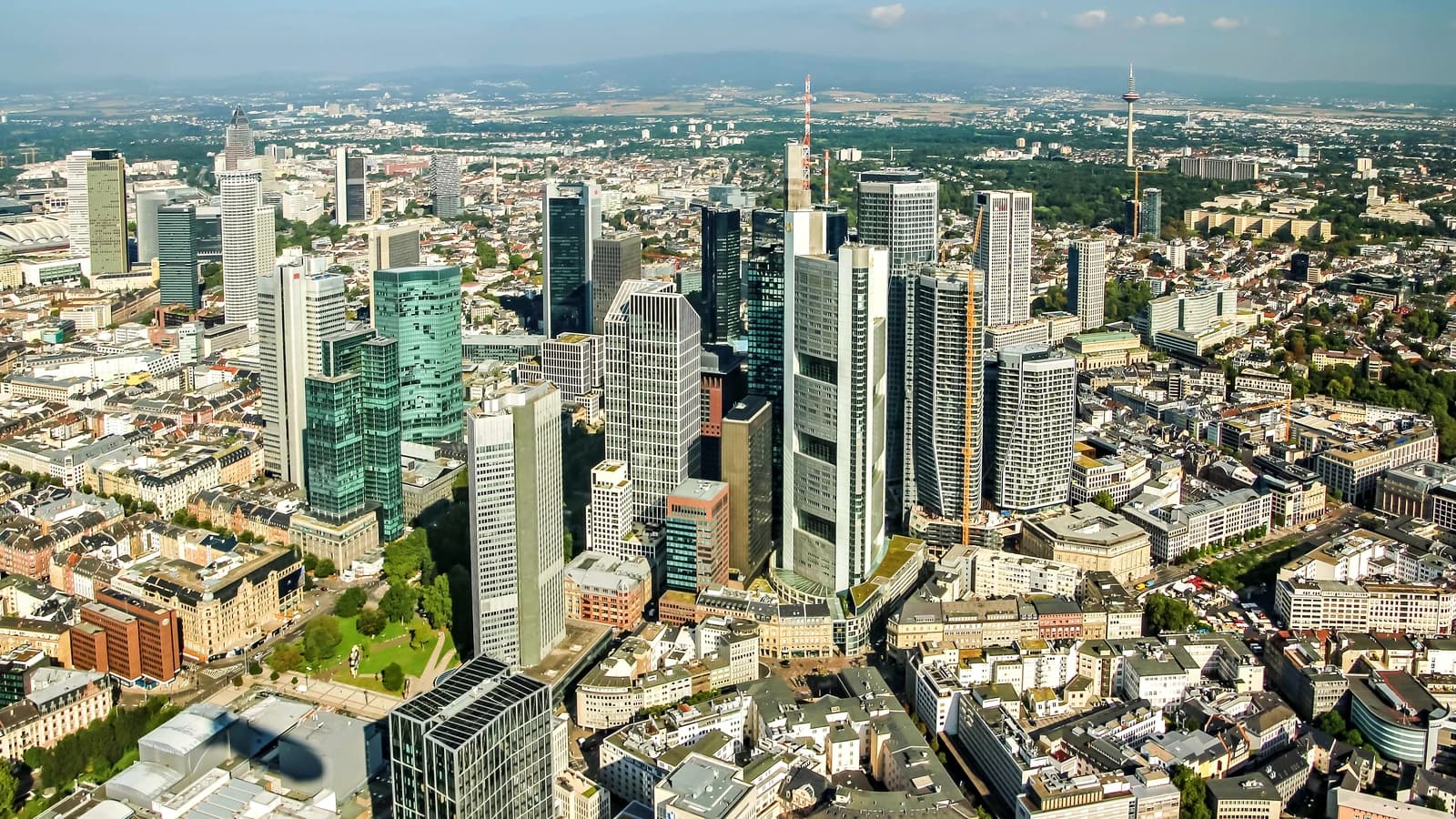
Frankfurt’s DAX climbed back above 25,000 points on Friday as easing bond yields and lower oil prices gave Europe’s biggest stock index room to recover after a sharp slide the day before.
DAX Reclaims 25,000 as Yields and Oil Fall

The benchmark rose 1.3% to 25,139 points, pulling away from the psychologically important 25,000 level it had lost on Thursday, when it hit its weakest level since July. For the week, the DAX was still on track for a small loss of about 0.4%, underscoring how fragile the rebound remains.
Sentiment IndicatorsⓘProprietary · adalytica.com · October 11, 2026
This is a snapshot — live sentiment, awareness and momentum for 130+ markets update continuously in the dashboard.Open AlphaPulse

The move matters because lower yields tend to support equities by easing pressure on valuations, while softer oil prices help curb inflation concerns and improve the outlook for consumer spending and corporate margins. The latest drop in crude was helped by a denial from U.S. President Donald Trump of reports that Washington was preparing new strikes in Iran, reducing some immediate geopolitical risk premium in energy markets.
Still, traders were not treating the bounce as a clean turn in trend. Analyst Timo Emden of CapTrader said the return above 25,000 should not obscure “considerable uncertainties” beneath the surface, suggesting bargain hunters were likely doing much of the buying after Thursday’s selloff.
The broader tone across European markets was firmer. The MDax of medium-sized German companies rose 2% to 30,087 points, while the EuroStoxx 50 gained 1.1%. The recovery suggests investors are still willing to add risk when macro pressure eases, but they remain selective.
Stock moves were driven more by company-specific news than by a broad conviction trade. Deutsche Telekom fell 6.8% after reports that Elon Musk’s SpaceX had bought spectrum in the U.S. to lay the groundwork for a mobile service, raising concern about tougher competition for established telecom groups. By contrast, Salzgitter surged more than 13% after UBS raised its rating and sharply lifted its price target, with the broker arguing the steelmaker stands to benefit more than peers from firmer European steel prices.
Heidelberg Materials gained 3.5%, while SAP and Zalando also rose more than 4%, helping the index extend its rebound. Schott Pharma dropped 4% after Deutsche Bank cut its rating to Hold.
Technically, the DAX is still trading just above its 50-day moving average and well above its 200-day line, but the recent pullback and quick recovery show investors are still testing how durable the rally is after the index briefly slipped below 25,000.
For investors, the key question is whether the rebound is being driven by position squaring and dip buying, or whether falling yields, calmer energy markets and stronger earnings support can keep Frankfurt above this level into next week.
| Entity | Gains | Losses |
|---|---|---|
| DAX bulls | ▲Reclaim 25,000 | ▼Missed deeper pullback |
| Telecom rivals | ▲SpaceX entry momentum | ▼Deutsche Telekom shares |
| Steelmakers | ▲Higher EU steel-price bets | ▼Short sellers |
| German equities broadly | ▲Yield and oil relief | ▼Macro uncertainty |