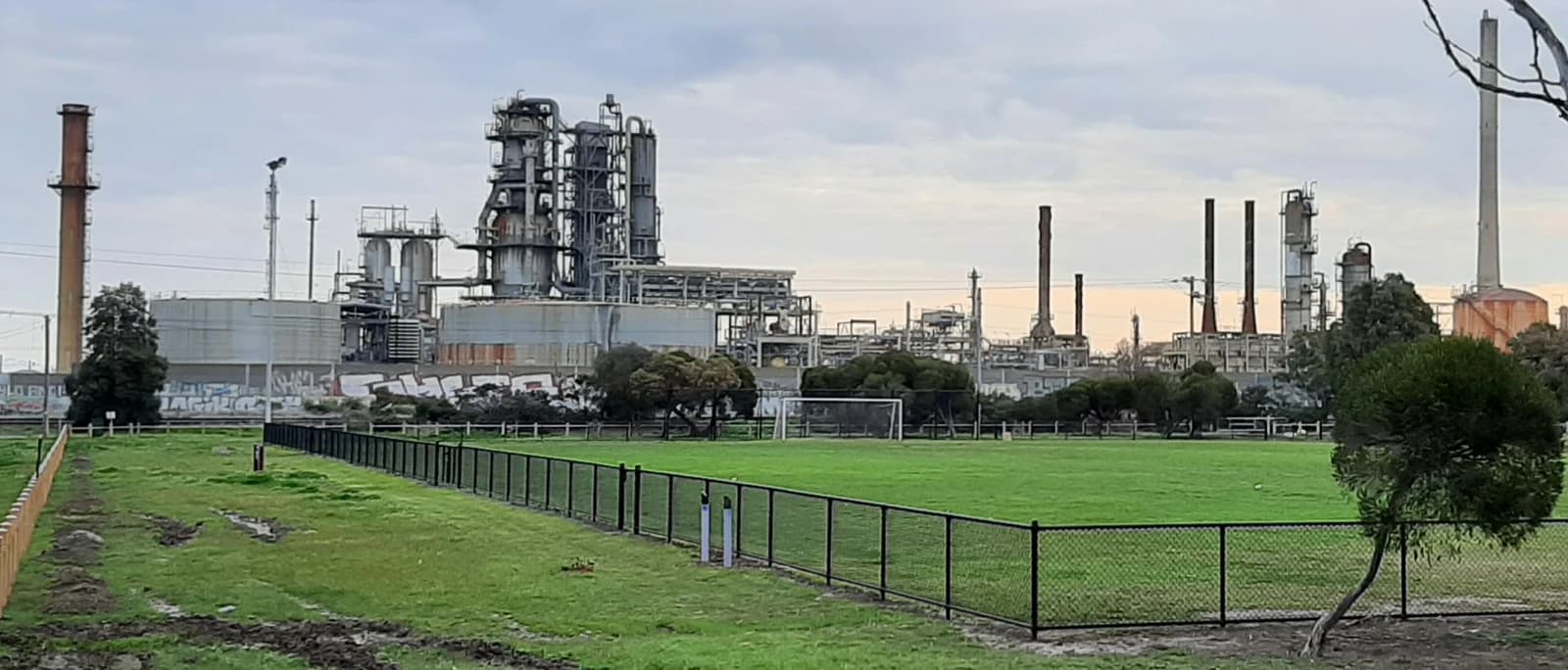
An ammunition plant in Mesquite, Texas, that cost the Army $469 million to establish has produced no metal projectile parts two years after it was built, underscoring how America’s defense-industrial surge is colliding with execution risk.
Defense Capacity Favored Over New Factory Promises
That matters because the stock market has been pricing the U.S. rearmament story as if spending automatically turns into output. It doesn’t. In an environment where the Pentagon wants faster artillery, missile and air-defense replenishment, a plant that still has not delivered a single projectile part is more than an embarrassing audit finding — it is a warning that industrial capacity, not just funding, will decide who wins the next phase of the defense cycle.
Sentiment IndicatorsⓘProprietary · adalytica.com · July 14, 2026
This is a snapshot — live sentiment, awareness and momentum for 130+ markets update continuously in the dashboard.Open AlphaPulse
The DoD watchdog’s finding lands at a sensitive moment for investors. U.S. GDP is still expanding, with the economy running above $31 trillion on the latest data, while the 10-year Treasury yield sits around 4.56%, keeping capital costs high enough to punish inefficiency. At the same time, high-yield credit spreads have narrowed to about 2.69 percentage points, a sign markets are comfortable with risk — perhaps too comfortable with the assumption that defense capex will translate smoothly into revenue.
For defense contractors, the implication is stark: the winners are the firms that already own working production lines, supply chains and quality systems, not the ones pitching new capacity on a PowerPoint deck. That is why names like Lockheed Martin, Northrop Grumman and General Dynamics remain the cleaner ways to play the munitions and modernization cycle. They are not immune to delays, but they are far less exposed to the kind of start-up failure now visible in Mesquite. Lockheed’s shares, for example, have held above their 50-day moving average even after recent volatility, while Northrop and General Dynamics have also reclaimed momentum above their shorter-term trend lines, suggesting investors still prefer established platforms over promised throughput.
The broader market message is even bigger than one plant. The Pentagon’s rearmament push — from artillery shells to missile defense and shipbuilding — is creating a secular capex cycle, but it will be won by bottleneck owners: machine tools, energetics, specialty metals, automated inspection systems and contract manufacturers that can actually scale output. That is the real asymmetric opportunity the market underestimates. The headline risk is bad execution at a single plant; the investable takeaway is that shortages in defense manufacturing will keep money flowing toward proven suppliers, while underbuilt capacity will face scrutiny, rework and delay.
If the Army cannot get a $469 million factory to produce basic projectile parts, Congress and the Pentagon will have even more reason to direct spending toward firms with demonstrated delivery. That should support backlog quality, pricing power and multi-year visibility for the best-positioned primes and their key suppliers. For investors, the play is to stay with the companies already converting defense demand into output — and avoid assuming every new factory is a future profit engine.
| Entity | Gains | Losses |
|---|---|---|
| Established primes | ▲More trust in proven capacity | ▼Little |
| Mesquite plant program | ▲Scrutiny and delays | ▼Credibility |
| Defense suppliers with working lines | ▲More orders and pricing power | ▼Capacity-starved new entrants |
| Taxpayers / Pentagon | ▲Potential pressure for accountability | ▼Faster rearmament timelines |