Defense contractors gain on missile defense demand
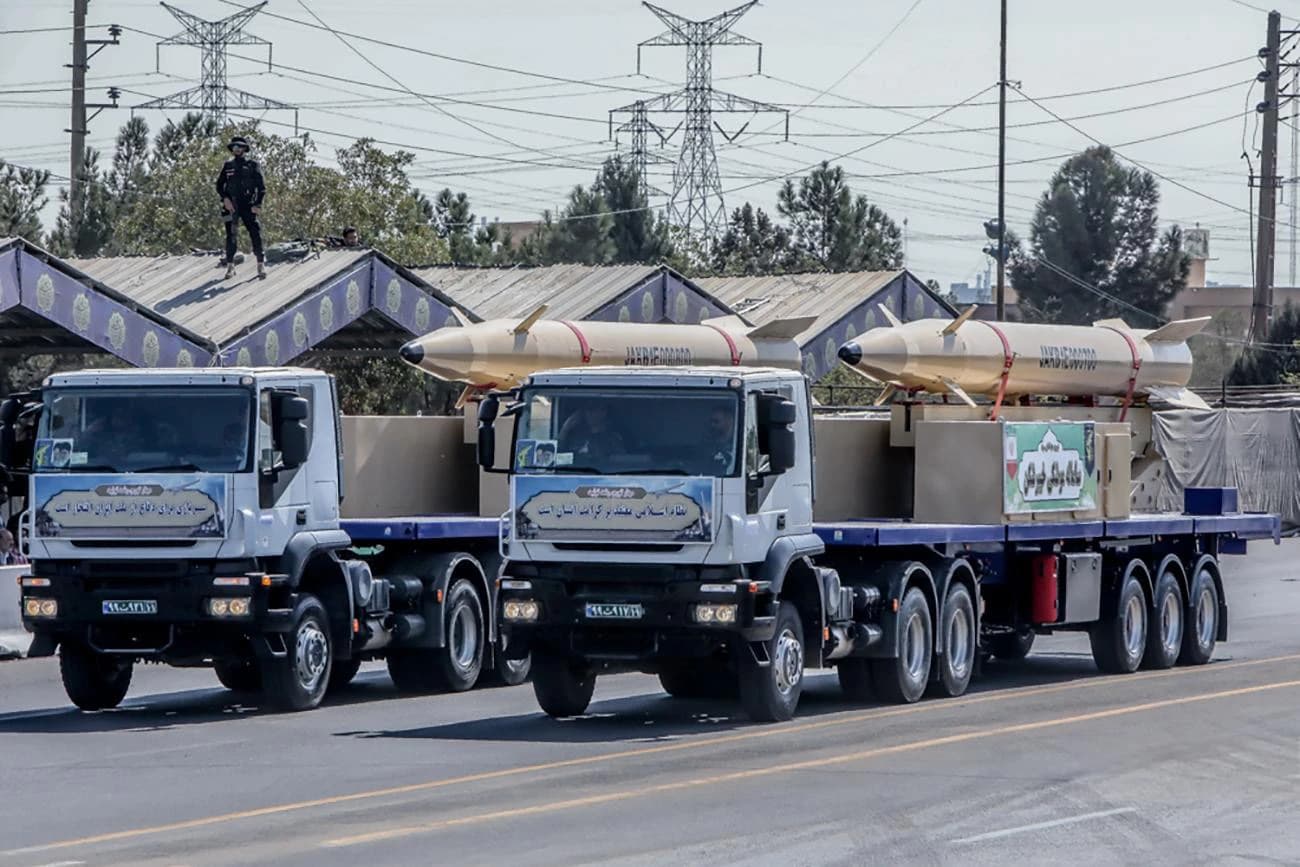
Russia’s alleged secret help for Iran’s supersonic missile program is deepening the Middle East arms race at a moment when the U.S. and its allies are already struggling to rebuild interceptor inventories and harden defenses against faster, harder-to-stop weapons.
The charge, if borne out, would mark a further blurring of the war in Ukraine and the standoff over Iran, tying Moscow more directly to the acceleration of missile technology in a region already destabilized by strikes on U.S. positions, drone attacks on Gulf infrastructure and repeated missile salvos across several fronts. For Washington, the issue is not just diplomatic. It is industrial and military: every new generation of faster missiles pushes up the cost of defense and raises the burden on Patriot, THAAD and other interceptor systems already in short supply.
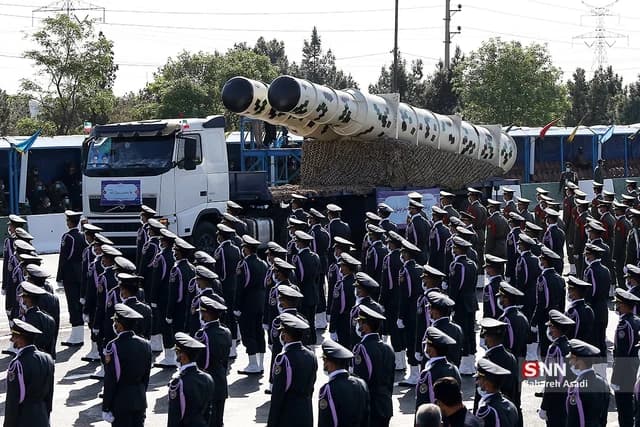
That shortage is becoming a strategic constraint. The U.S. military is facing a critical lack of Patriot missiles in Europe even as tensions with Iran rise, a problem that complicates NATO’s ability to defend bases and allied territory if Russia or Iran widens the conflict. The Pentagon has responded with seven-year contracts aimed at lifting missile production, but replenishment takes time, and the gap between threat and supply is where risk builds.
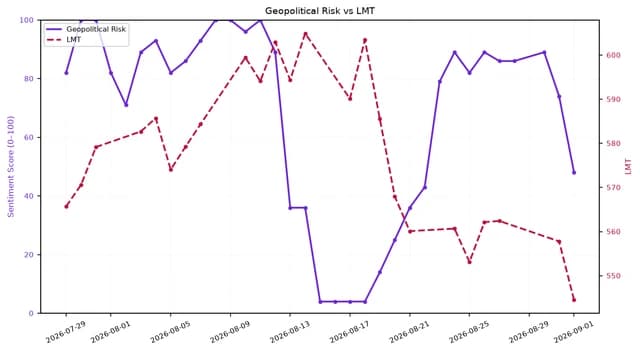
For investors, that makes the defense supply chain more important than the headline politics. Lockheed Martin, RTX and Northrop Grumman sit at the center of a rearmament cycle driven by missile defense demand, especially if supersonic systems spread faster than interceptor capacity. Lockheed’s stock has traded well above its 50-day moving average even after a recent pullback, while RTX and Northrop have also held gains over longer spans, reflecting expectations that missile defense and munitions spending will remain elevated.
There is a bear case as well. Stocks in the sector can move on headlines long before contracts turn into cash flow, and defense names already trade on the assumption that governments will keep spending. If the geopolitical crisis eases, or if production delays persist, the valuation support from order growth could fade. But the broader thesis remains intact: missile defense is shifting from a niche procurement line to a central pillar of Western security planning.
Adalytica’s Global Stability Sentiment gauge sits at neutral, but its awareness reading points to extreme fear, underscoring how quickly markets are pricing in tail risks even when broad sentiment is not yet in panic mode. For defense contractors, that combination tends to be constructive. For governments, it is a reminder that deterrence is only as credible as the stockpile behind it.
What matters next is whether the accusation against Russia translates into new sanctions, deeper technology controls or fresh orders for interceptors and related systems. If it does, the immediate winners are defense prime contractors and missile suppliers. The losers are importers of stability: governments, airlines, shippers and energy markets that pay the price when faster missiles make conflict harder to contain.
| Entity | Gains | Losses |
|---|---|---|
| Lockheed Martin, RTX, Northrop Grumman | ▲More missile-defense demand | ▼Production bottlenecks |
| U.S. and NATO planners | ▲Stronger case for rearmament | ▼Thin interceptor stocks |
| Iran and Russia | ▲Greater leverage if tech transfer succeeds | ▼More sanctions risk |
| Energy and global markets | ▲— | ▼Higher geopolitical risk premium |