Delhi illegal fifth-floor construction crackdown
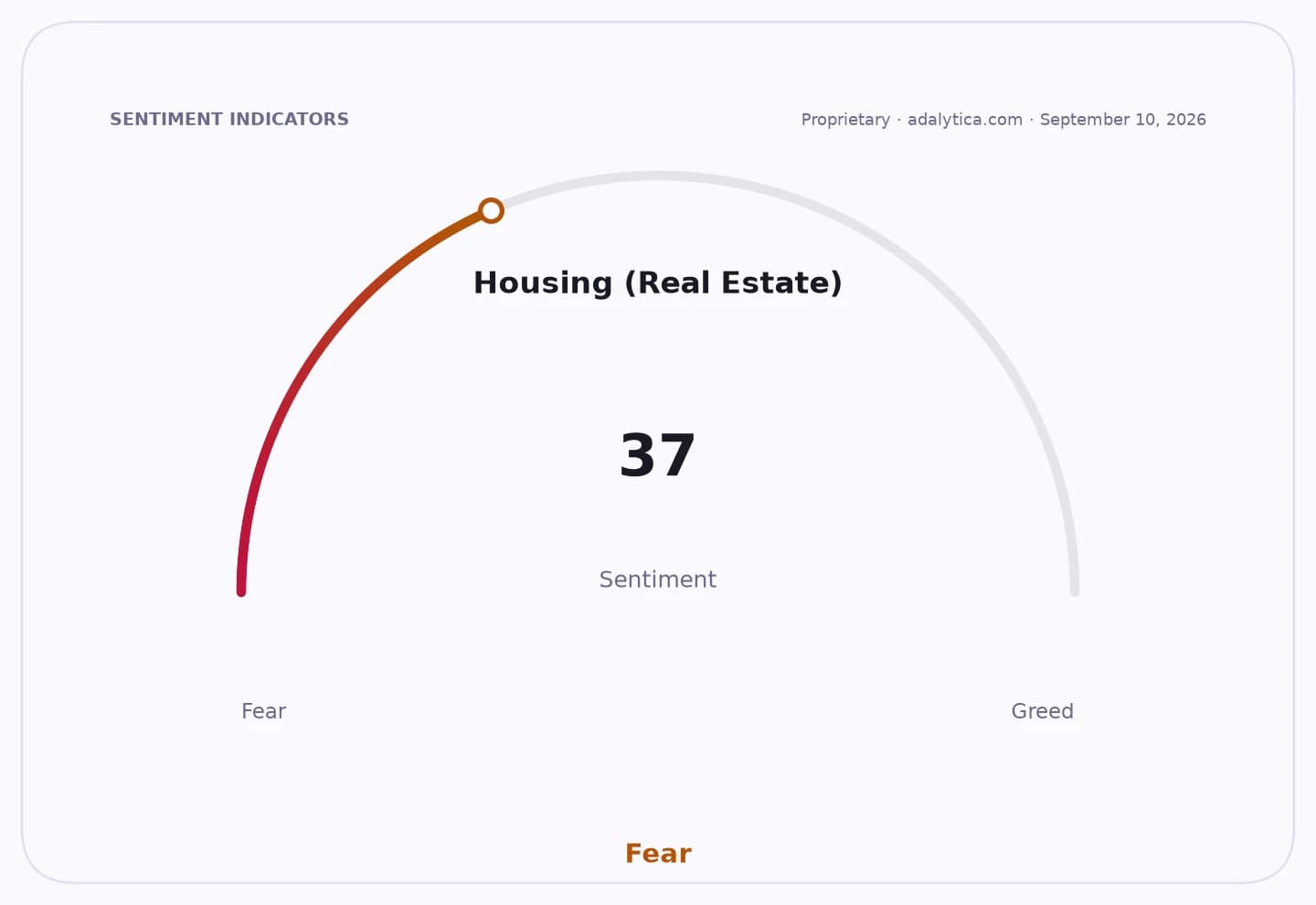
Delhi’s latest push against illegal construction is a reminder that in real estate, the most expensive mistake is often buying a floor you cannot legally own.
That is why Chief Minister Rekha Gupta’s action on allegedly illegal fifth floors matters. The issue is not whether a fifth floor is automatically banned in Delhi. It is whether the building was approved under the sanctioned plan, the Unified Building By-Laws, 2016, and the Delhi master plan. For investors, homeowners and builders, that distinction can mean the difference between a usable asset and a future demolition notice.
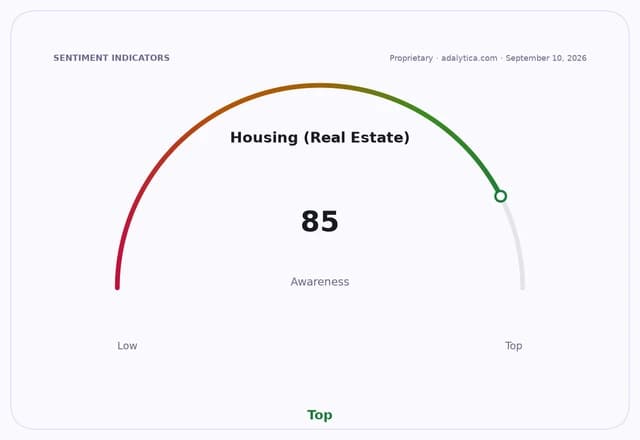
The crackdown follows the collapse of a building in Satya Niketan that killed seven people, putting unsafe and unauthorized structures back at the center of Delhi’s housing debate. That is economically important because illegal construction is not just a civic problem — it distorts property values, weakens buyer confidence, raises legal risk and can leave banks, insurers and future purchasers exposed. When authorities tighten enforcement, the market tends to reprice risky inventory fast.
A fifth floor itself is not necessarily illegal. In some Delhi buildings, a five-level structure can be permitted if it sits within the approved height, floor area ratio, parking and setback rules. The 17.5-meter height threshold is especially important where stilt parking is included, while buildings without stilt parking are generally subject to a 15-meter limit. The real question is whether the extra floor was sanctioned, whether the building matches the approved drawing and whether fire-safety rules were followed.
That is where investors should pay attention. Properties with unauthorized construction can face sealing, litigation, demolition costs and trouble getting loans or insurance. Even if the sticker price looks attractive, the hidden liability can wipe out the discount. In a market where the long-term value of a home depends on clear title and regulatory compliance, a cheap illegal floor is often no bargain at all.
The broader lesson is simple: Delhi’s housing market rewards diligence, not shortcuts. Buyers should check the sanctioned building plan, FAR, building height, parking, open space and fire approvals before signing anything. Existing owners with extra construction should not ignore the problem either; they need to compare approved documents with the actual structure and seek qualified legal and architectural advice if there is a mismatch.
For long-term investors, the takeaway is to treat compliance as part of the asset’s value, not an afterthought. In a city where enforcement is clearly getting stricter, legally sound housing should hold up better than speculative, rule-breaking stock. That makes compliant property worth watching — and risky fifth-floor additions worth avoiding.
| Entity | Gains | Losses |
|---|---|---|
| Compliant homeowners | ▲Safer assets | ▼Less price competition from illegal stock |
| Delhi authorities | ▲Stronger enforcement | ▼Short-term backlash from violators |
| Builders following rules | ▲Better trust, cleaner sales | ▼Pressure on margins from compliance costs |
| Buyers of illegal floors | ▲None | ▼Sealing, demolition, loan risk |