Delhi releases onions from reserve stock
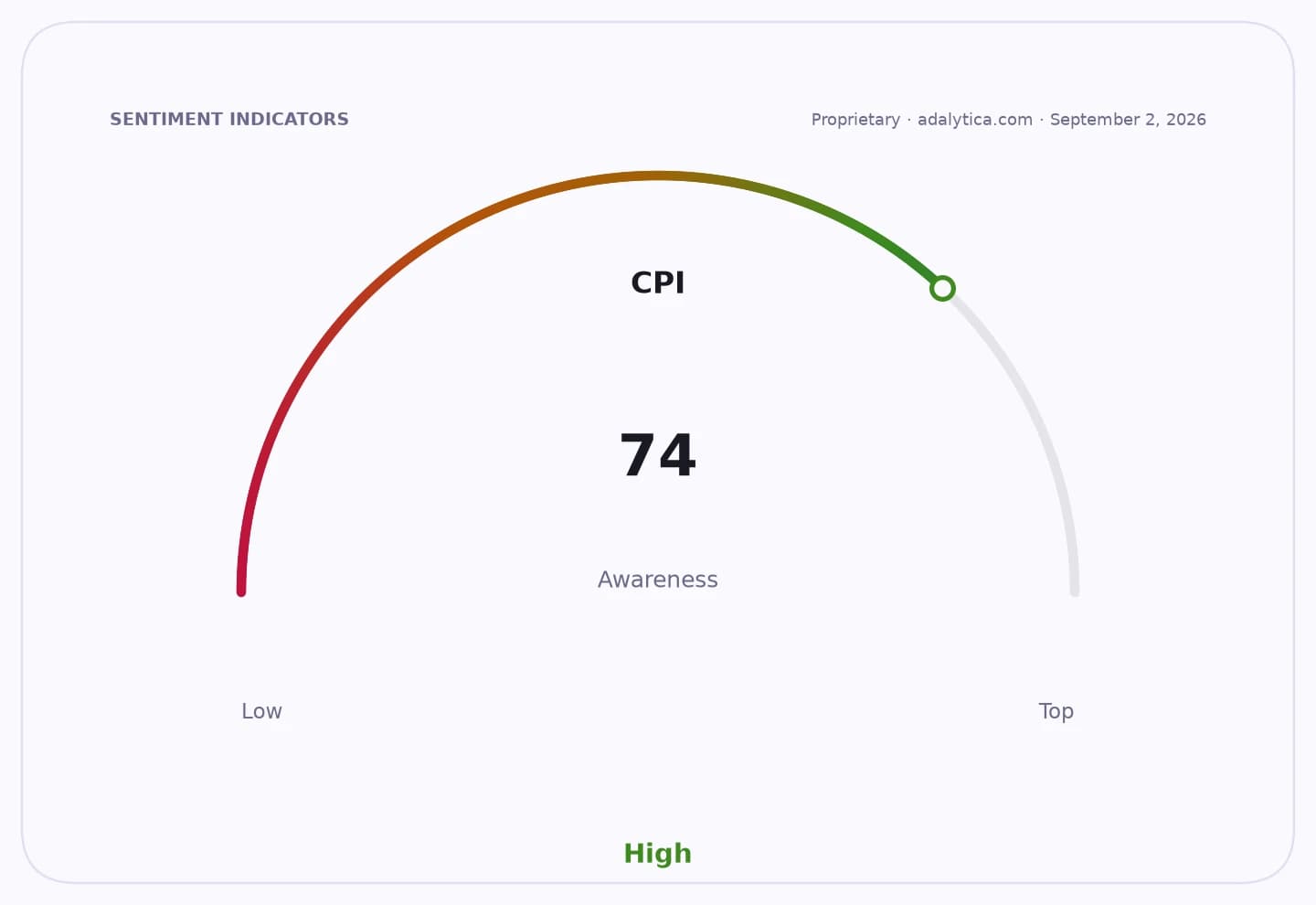
Delhi is moving to release onions from reserve stock in all 13 districts at ₹50 to ₹60 a kilogram, a sign the government is trying to stop a food-price spike before it feeds into broader household inflation.
That matters because onions are one of India’s most politically sensitive staples. When crop damage from rains squeezes supply, prices can jump fast, and the pain lands immediately on consumers’ kitchen budgets. The government’s intervention is meant to add supply at the street level through shops and carts, giving it a better shot at cooling prices before the shortage becomes entrenched.
The backdrop is familiar: food inflation can spill into expectations, wage demands and retail spending patterns if it lasts long enough. India has lived through repeated onion shocks, and every episode reminds investors that agricultural supply disruptions are not just a farming story. They can become a macro story if they persist, especially in a country where food carries heavy weight in consumer inflation and household sentiment.
For investors, the key question is whether this is a one-off price management step or the start of a broader food-inflation wave. If reserve sales work, the pressure on shoppers eases and policymakers buy time. If they do not, the shock can linger, adding noise to the inflation outlook and making life harder for consumer-focused companies and discretionary spending.
Longer term, the episode reinforces why food supply chains, storage and distribution matter so much in India. Better reserves can soften volatility, but they do not fix weather risk. For investors, that means watching both the inflation data and the government’s ability to move produce quickly enough to matter. This looks like a sensible short-term relief measure, but it is also a reminder that food inflation can return fast and deserves a place on any long-term watchlist.
| Entity | Gains | Losses |
|---|---|---|
| Delhi consumers | ▲Lower kitchen bills | ▼Less buying power before relief |
| Government | ▲Inflation control credibility | ▼If sales fail to curb prices |
| Farmers with damaged crops | ▲Can still benefit from higher prices | ▼Lower local selling prices if stock release works |
| Consumer-staples and retailers | ▲Demand may stabilize | ▼Margin pressure from food inflation |