Dell Technologies gains on AI server demand
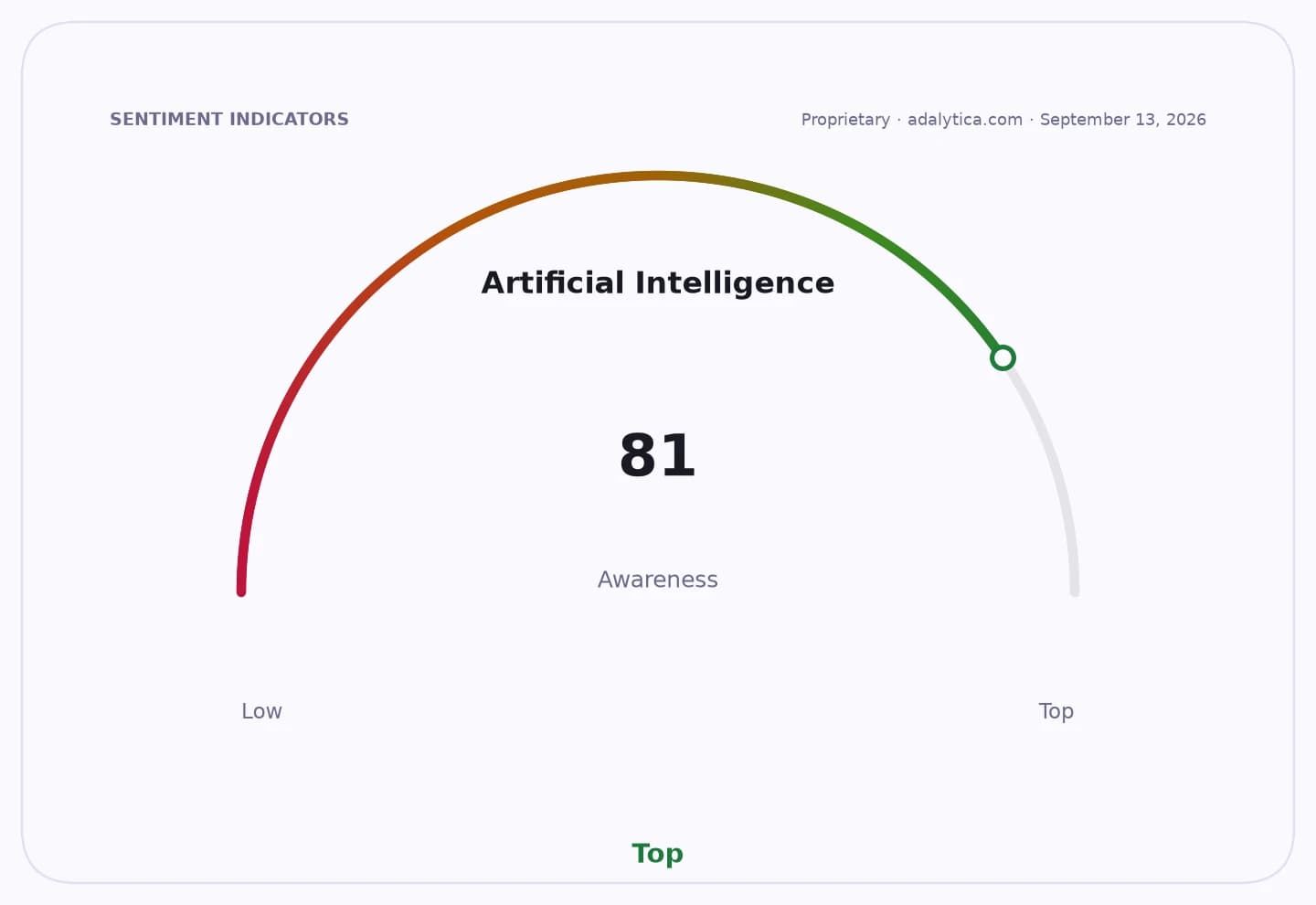
Dell Technologies is emerging as one of the clearest beneficiaries of the next leg of AI infrastructure spending, with RBC saying the company is well placed to capture demand for servers, storage and related systems as hyperscalers and enterprise customers continue to pour money into data-center buildouts.
That matters because the AI trade is shifting from chip scarcity to infrastructure execution. After two years in which Nvidia dominated investor attention, capital is now moving deeper into the stack, toward the companies that assemble, ship and support the racks, networking and storage needed to make AI clusters work at scale. For Dell, that shift could mean a longer runway of orders, better revenue visibility and a stronger earnings mix if AI server demand remains elevated.
Dell’s latest filing points in the same direction. The company said demand for AI-optimized servers remained substantial and that revenue from those systems rose 100% in the second quarter and 222% in the first six months of fiscal 2027, helped by higher unit sales. Dell also warned that demand timing can be lumpy because of customer readiness and component transitions, underlining both the opportunity and the risk for investors counting on a smooth ramp.
The market has already started to price in that story. Dell shares have surged to 567.29 on Sept. 11 from 425 on Sept. 1, a move that followed a stretch of heavy trading and pushed the stock well above its 50-day moving average. The latest close also left the shares far above the 200-day moving average, a sign that investors have embraced the AI hardware thesis even after a sharp run-up. But the near-term technical picture also suggests the stock may be overextended, with RSI readings above 70 on the latest data pointing to strong momentum that can quickly reverse if execution disappoints.
The wider AI supply chain is reinforcing that view. Computacenter has reported nearly doubled profits on surging AI infrastructure demand, while Oracle and Google have stepped up capital spending tied to data centers and next-generation computing. That spending trend supports Dell’s enterprise and infrastructure business, but it also highlights how competitive the sector is becoming, with margins likely to depend on procurement discipline, component availability and customers’ willingness to keep expanding capacity.
For investors, the bull case is that Dell is not merely riding a cyclical hardware upswing but becoming a core intermediary in an investment cycle that still looks early. The bear case is that AI server demand, while strong, may prove volatile, and that a rapid rise in share price leaves less room for disappointment if order timing slips or if the industry moves too quickly to the next hardware generation.
The key catalyst now is whether Dell can turn AI demand into sustained backlog and profitability rather than one-off shipments. If the infrastructure buildout broadens from a few hyperscalers to a wider corporate customer base, Dell’s earnings power could keep improving. If spending pauses, the stock’s premium may be harder to justify.
| Entity | Gains | Losses |
|---|---|---|
| Dell Technologies | ▲AI server demand, revenue growth | ▼Execution risk from lumpy shipments |
| AI infrastructure buyers | ▲More supply options | ▼Higher capex burden |
| Nvidia | ▲Broader ecosystem demand | ▼Less investor focus on chips only |
| Short-term momentum traders | ▲Trend-following upside | ▼Reversal risk if sentiment cools |