Deutsche Bahn shuts Berlin-Hannover rail corridor
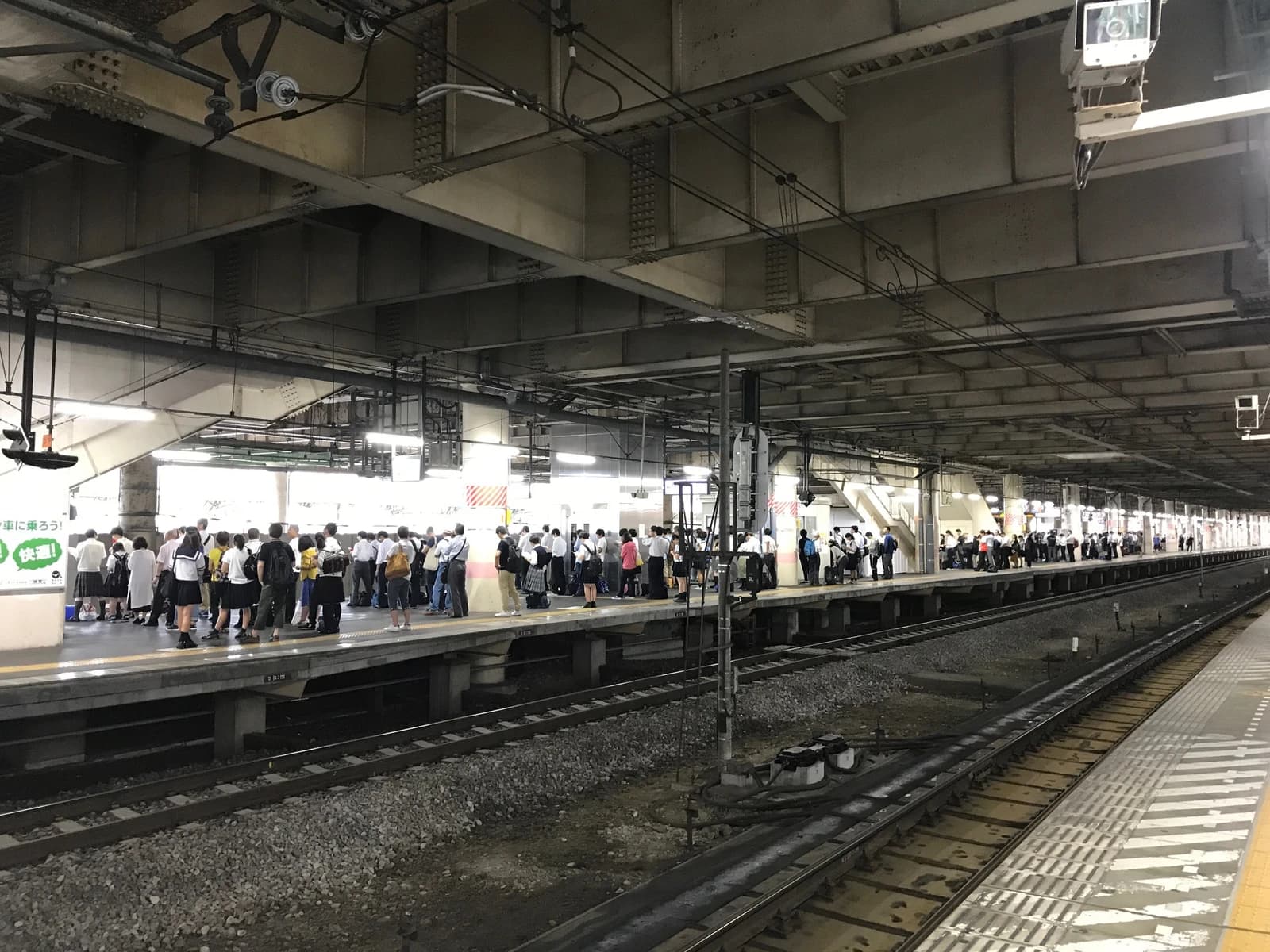
Germany’s rail network is about to take a major capacity hit as Deutsche Bahn shuts the heavily used Berlin–Lehrte corridor for 14 months, forcing long-distance trains between Berlin and Hannover onto a slower diversion that adds 80 minutes to journey times.
The disruption matters far beyond late passengers. Berlin–Hannover is a core east-west artery linking the capital with North Rhine-Westphalia, one of Europe’s biggest industrial regions, and the detour will ripple through business travel, freight logistics and timetable reliability across the country’s busiest rail links. For a government that wants rail to absorb more traffic from roads and aviation, the forced slowdown is a reminder that Germany’s infrastructure crunch is still a drag on productivity.
From Oct. 2 through December next year, all long-distance trains on the route will be rerouted via Braunschweig and Magdeburg, with Deutsche Bahn saying three trains per direction will run in each two-hour window. The company is also diverting freight over the same corridor, then adding a second freight bypass via Halle-Eichenberg from January 2027 after modernization work there is completed. In other words, the system is being squeezed on multiple fronts at once, raising the risk of knock-on delays if volumes rise faster than the temporary network can handle.
The cause is a full renewal of the roughly 227-kilometer line, including tracks, switches and overhead wires, part of Deutsche Bahn’s broader campaign to rebuild more than 40 congested corridors by the mid-2030s. That long-term agenda is economically sensible: a more reliable network lowers transport costs, improves labor mobility and supports exporters moving goods across Europe. But the short-term cost is painful, especially because the fallback plan was already weakened by delays to electrification on the parallel Stammbahn, which now will not be ready until December 2027, a year later than planned.
Investors should view this as a story about Germany’s infrastructure capex cycle, not just a travel inconvenience. The beneficiaries are contractors, rolling-stock maintenance providers and logistics operators that can absorb rerouted freight; the losers are Deutsche Bahn customers, time-sensitive business travelers and industrial shippers exposed to longer transit times. If the renewed corridors eventually improve punctuality, the payoff could be real. Until then, the market will keep pricing the cost of rebuilding a strained network while hoping the disruption does not become a drag on broader economic activity.
| Entity | Gains | Losses |
|---|---|---|
| Deutsche Bahn / federal rail upgrade program | ▲Future reliability | ▼Short-term service pain |
| Contractors / rail suppliers | ▲More renewal work | ▼Execution risk |
| Freight operators / shippers | ▲Extra bypass options later | ▼Longer transit times |
| Business travelers / NRW-Berlin passengers | ▲None | ▼80-minute delays |