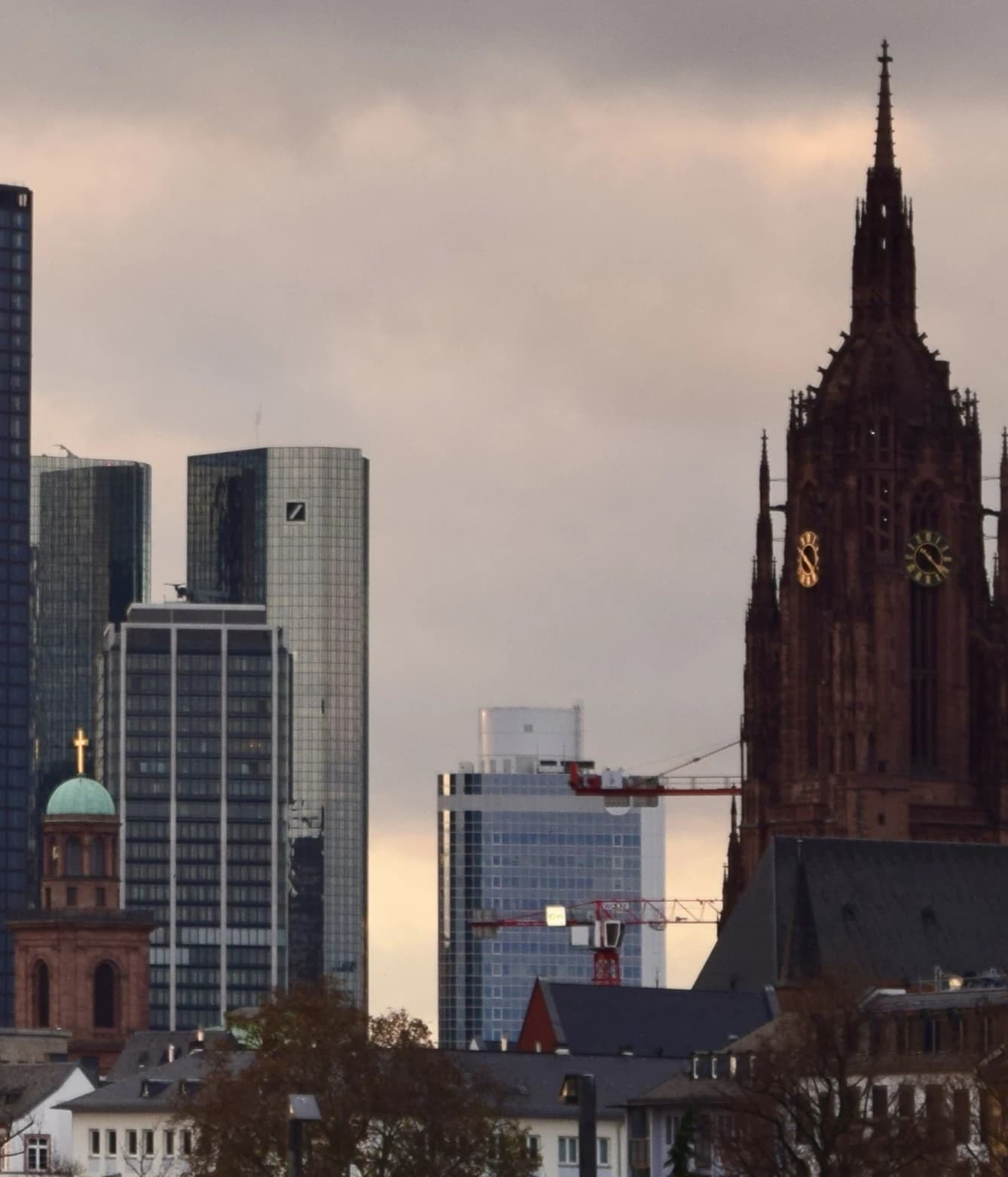
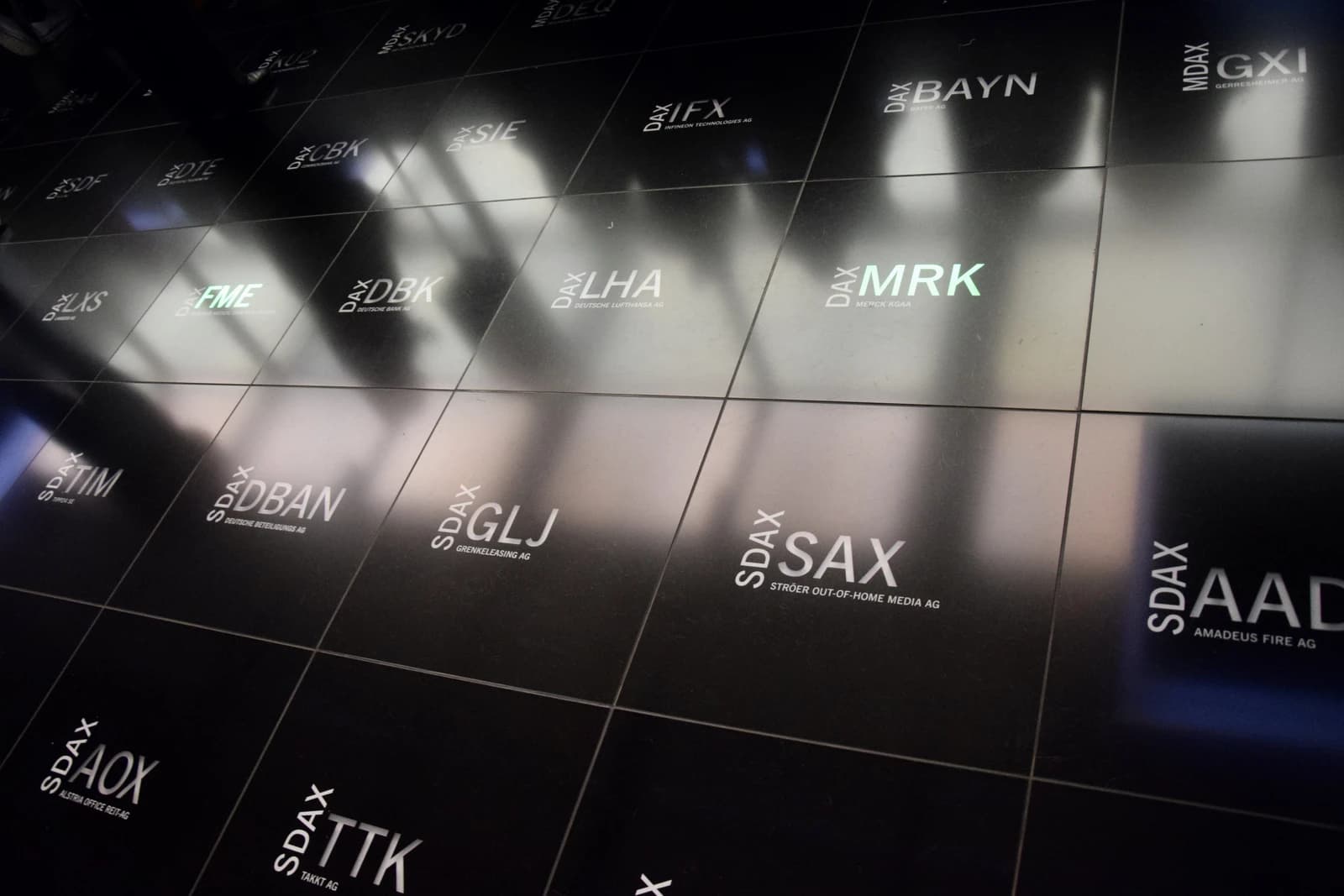
Deutsche Bank shares dropped after a fresh data-leak scandal revived questions about controls, even as some analysts still see room for the stock to climb toward 47.75 euros. For investors, the bigger issue is whether the selloff reflects a temporary reputational hit or the beginning of a longer discount for a bank that is trying to prove its turnaround can survive operational mistakes.
Deutsche Bank Shares Fall After Data Leak Scandal

The market’s reaction matters because banks trade not just on earnings, but on trust. A leak allegedly exposing millions of documents and transactions involving oligarchs cuts straight to the most valuable asset a lender has: confidence in its systems, its compliance culture and its ability to keep regulators satisfied. When those concerns surface, investors tend to demand a cheaper valuation, even if the underlying business is still profitable.
Sentiment Indicators
That helps explain why the stock slipped to 33.88 euros in the latest session, down from 35.84 euros two days earlier and well below this year’s higher levels. The move came on heavy volume, suggesting real selling rather than a quiet drift. Technical indicators also point to a less comfortable setup: the shares have fallen back below the 50-day moving average, while the relative strength index has cooled to 51.4 from overbought territory earlier this month. In plain English, momentum has been damaged.
Still, the long-term case is not broken. Deutsche Bank’s shares remain above their 200-day moving average of 34.04 euros, a sign the broader trend is not yet decisively bearish. That helps explain why analysts have not rushed to slash their targets, with some still pointing to 47.75 euros. The optimism likely rests on a simple thesis: if Deutsche Bank keeps delivering on revenue, cost discipline and capital strength, a one-off controversy should not erase years of progress.
That is the right way for investors to frame the story. Data leaks can be costly, but for a large global bank the real damage often comes through slower client wins, tighter regulatory scrutiny and a higher risk premium on the shares. If management can show that this incident is contained and strengthen controls quickly, the market may move past it. If not, investors may start to question whether Deutsche Bank deserves the higher valuation multiple bulls are betting on.
For long-term investors, the takeaway is not to chase the noise, but to watch whether this turns into a recurring governance problem. If it is isolated, the bullish analyst targets may still make sense. If it becomes part of a pattern, the stock could stay cheap longer than optimists expect.
| Entity | Gains | Losses |
|---|---|---|
| Deutsche Bank bears | ▲Lower valuation case | ▼Short-term upside bets |
| Deutsche Bank bulls | ▲Analyst target support | ▼Confidence after leak |
| Regulators | ▲Stronger scrutiny mandate | ▼Trust in bank controls |
| Long-term shareholders | ▲Potential rebound if contained | ▼Near-term price volatility |