DIA Slips as 10-Year Yield Stays Near 4.8%
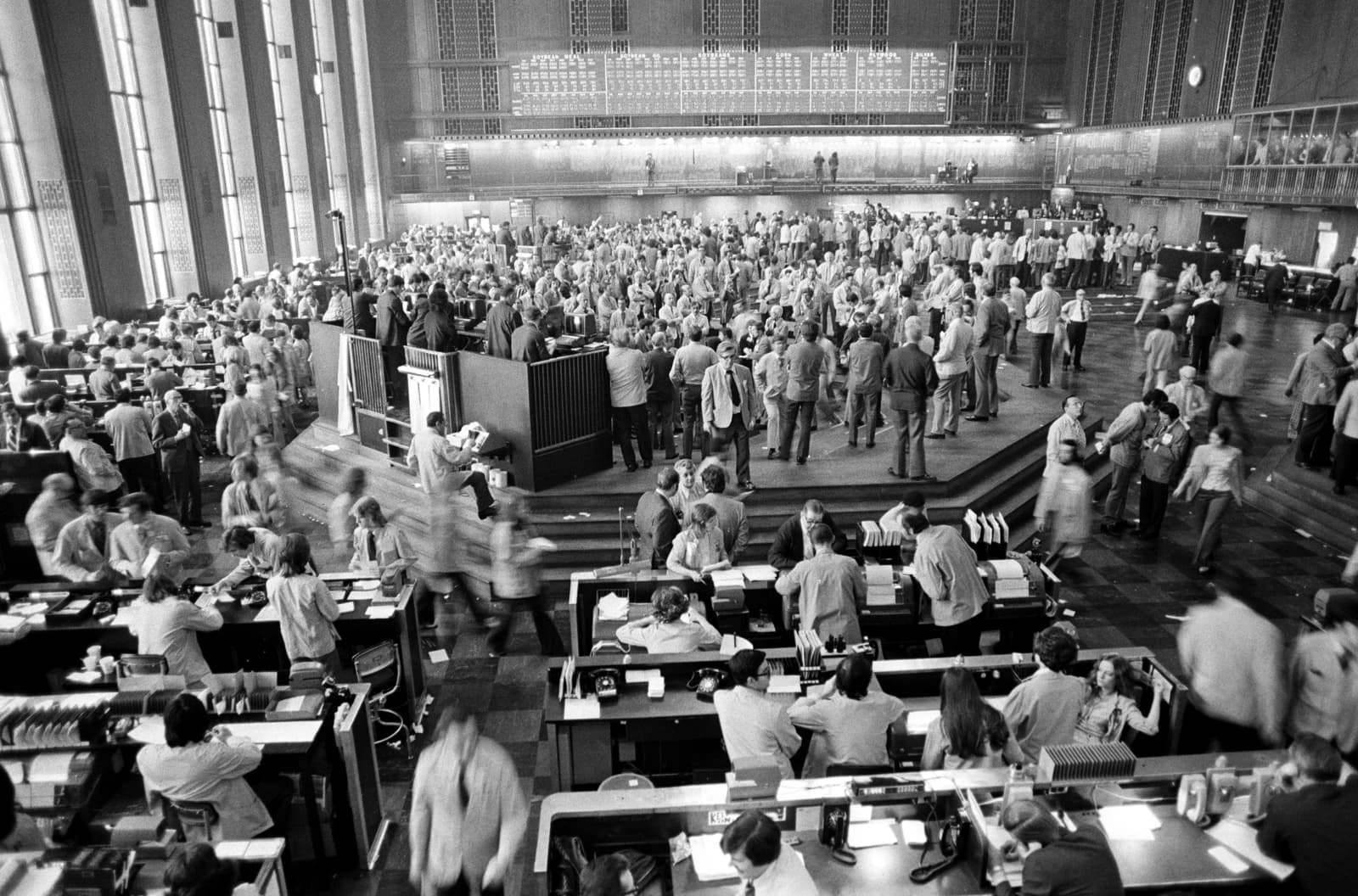
The SPDR Dow Jones Industrial Average ETF slipped as the 10-year Treasury yield hovered around 4.8% and investors kept shifting toward bonds and other hedges, underscoring how higher-for-longer rates are still the main pressure point for large-cap equities.
That matters because the Dow’s composition leans heavily toward mature, cash-generative companies whose valuations are sensitive to discount-rate changes. A 10-year yield near 4.8%, alongside a fed funds rate of 3.63%, leaves little room for equity multiples to expand unless inflation cools further or the Federal Reserve signals a clearer easing path. With the latest CPI reading still running far above the Fed’s 2% target on a year-over-year basis, the market is not yet pricing a comfortable return to the low-rate regime that powered much of the last decade’s equity rerating.
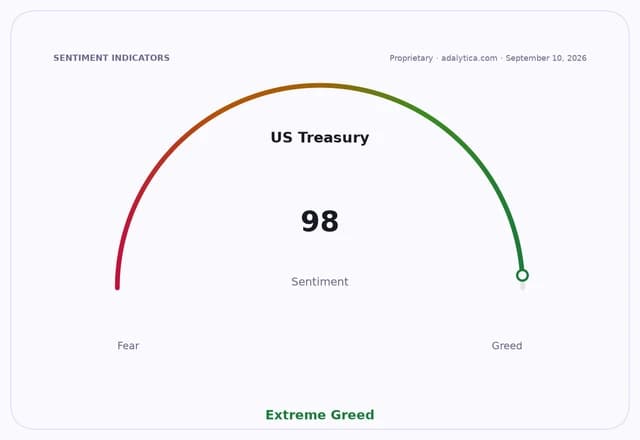
The bond market is sending a mixed but important message. Treasury ETF TLT was still under pressure on the day, closing at $81.73 and remaining below both its 50-day and 200-day moving averages, even as Adalytica’s US Treasury Bonds Trade Signals showed “Extreme Greed” at 98. That combination suggests strong demand for duration as a hedge, but not yet a clean reversal in the broader rate backdrop. For equities, that means every rally is still being tested against the same question: are yields peaking, or simply pausing?
For the Dow via DIA, the technical picture has improved from the spring selloff but is no longer unambiguously bullish. The ETF closed at $524.07 after trading as high as $534.08 on Sept. 4, versus a 50-day moving average of $528.80 and a 200-day of $496.81. RSI had eased to 39.5, pointing to fading momentum after the recent run-up, while MACD flattened near zero. In plain terms, the trend is still constructive over the medium term, but near-term buyers are less aggressive as rates remain sticky.
The macro backdrop also helps explain why investors are rotating rather than adding broad risk. Adalytica’s S&P 500 Trade Signals showed sentiment at 12, labeled “Extreme Fear,” even though the broader index has been far stronger than the raw tone suggests. That disconnect is typical late in a rate cycle: equities can keep climbing, but leadership narrows and defensive characteristics matter more. The Dow, with its tilt toward industrials, financials and health-care names, often becomes a relative refuge when investors want earnings durability rather than maximum beta.
The bullish case is that the U.S. economy is still expanding, inflation is no longer accelerating, and the Fed is not actively tightening. If the 10-year yield drifts lower from current levels and CPI continues to moderate, the Dow could benefit from stable earnings and a valuation rebound in cyclical blue chips. The bearish case is that sticky inflation or resilient growth keeps long-end yields elevated, which would continue to cap multiples and make bond yields a more competitive alternative to equities.
For investors, the key watchpoints are simple: whether Treasury yields can break lower, whether CPI keeps cooling, and whether the Dow can hold above its 50-day moving average as the market digests those rates. Until then, the SPDR Dow Jones remains less a momentum trade than a barometer of whether equities can endure a world where cash still pays and duration still commands a premium.
| Entity | Gains | Losses |
|---|---|---|
| Treasury bulls | ▲Higher hedge appeal | ▼Lower bond prices |
| Defensive Dow names | ▲Relative resilience | ▼Valuation upside |
| Equity bulls | ▲Easing yields would help | ▼Sticky inflation risk |
| Long-duration assets | ▲If yields fall | ▼If rates stay high |