Digital marketing jobs shift toward AI and skills
A seminar on jobs and career opportunities in digital marketing lands at a moment when the labor market is tilting toward part-time work, fewer full-time openings and a tougher path into white-collar roles as companies lean harder on automation.
That matters because digital marketing has become one of the clearest early test cases for how AI and cost pressure are changing hiring. For job seekers, the field is still expanding in skill demand — content, analytics, performance ads, CRM and social — but employers are increasingly asking for broader tool fluency and fewer headcount additions. For investors, the shift points to a labor market where training, reskilling and software substitution matter more than raw job growth, a combination that can reward platforms selling education, cloud tools and AI-enabled marketing software while squeezing firms dependent on labor-intensive execution.
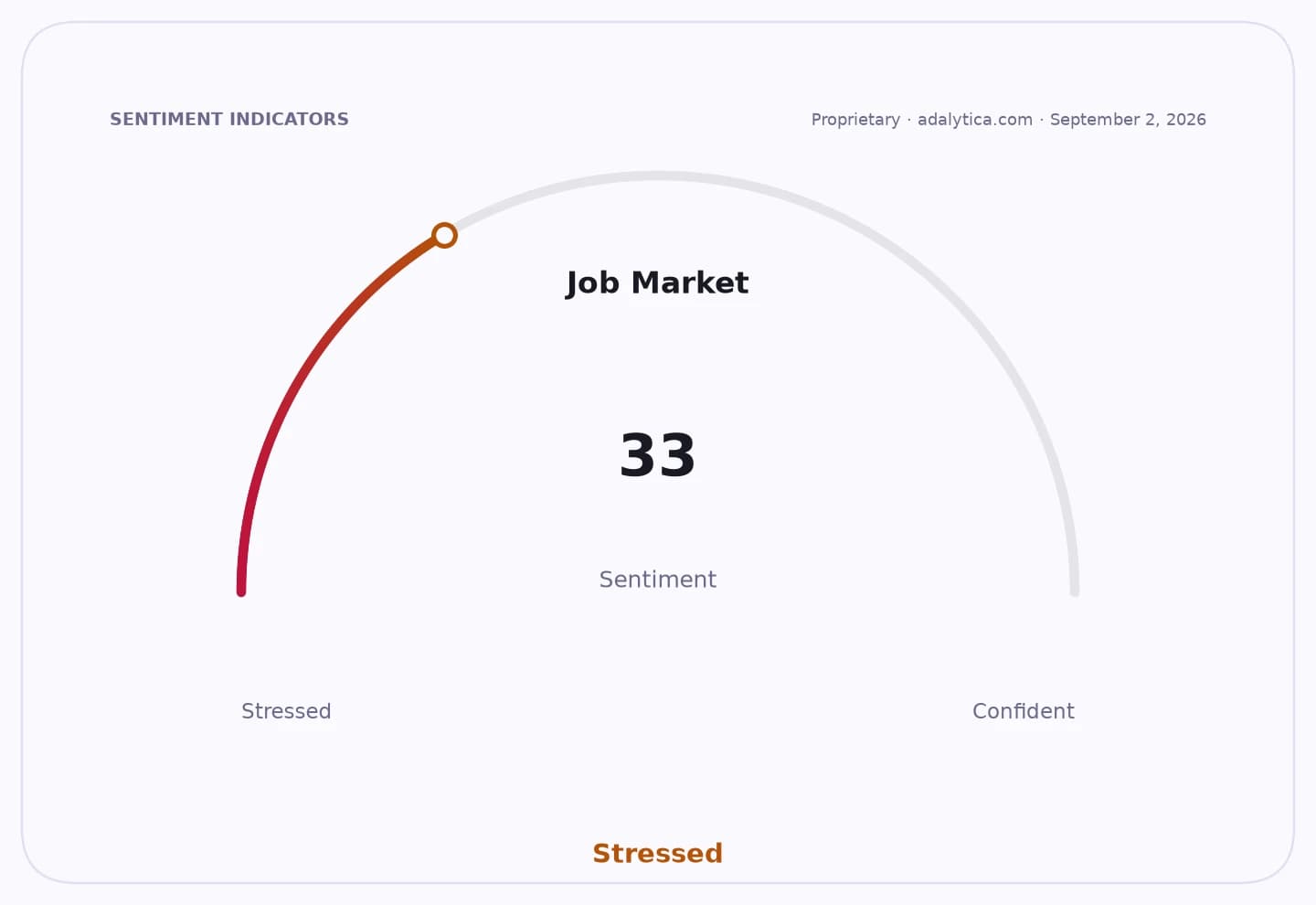
The broader backdrop is not encouraging for traditional hiring. Part-time positions have reached record levels while full-time roles have continued to fall, a sign that employers are preserving flexibility rather than committing to permanent staff. In parallel, small businesses using more technology have sharply reduced new software hires, showing how AI adoption can lift productivity without creating the same number of jobs. That dynamic is especially relevant in digital marketing, where generative AI is already automating copywriting, campaign testing, segmentation and basic design work.
For candidates, that means the best opportunities are moving up the value chain. Employers still need people who can manage data, interpret campaign performance and translate digital traffic into revenue, but they are less willing to pay for narrow task-based roles. The winners are likely to be workers who can combine creative, analytical and platform skills — and the companies that help them get there. Online learning providers, certification programs, ad-tech vendors and productivity software firms all stand to benefit if the market keeps shifting toward leaner, more technical marketing teams.
The seminar therefore reads less like a routine career event and more like a snapshot of a labor market inflection point. If hiring remains cautious and AI continues to compress entry-level demand, the real investment opportunity may not be in chasing more jobs, but in backing the tools and training that define who gets hired next. Investors should watch for continued demand in AI-assisted marketing software, workforce upskilling platforms and companies that can do more revenue with fewer people.
| Entity | Gains | Losses |
|---|---|---|
| AI-enabled marketing software | ▲Higher adoption | ▼Labor-heavy agencies |
| Online training platforms | ▲More reskilling demand | ▼Narrow entry-level roles |
| Skilled digital marketers | ▲Better wage power | ▼Routine campaign jobs |
| Employers | ▲Lower hiring costs | ▼Traditional headcount growth |