Digital sovereignty and AI cloud dependence
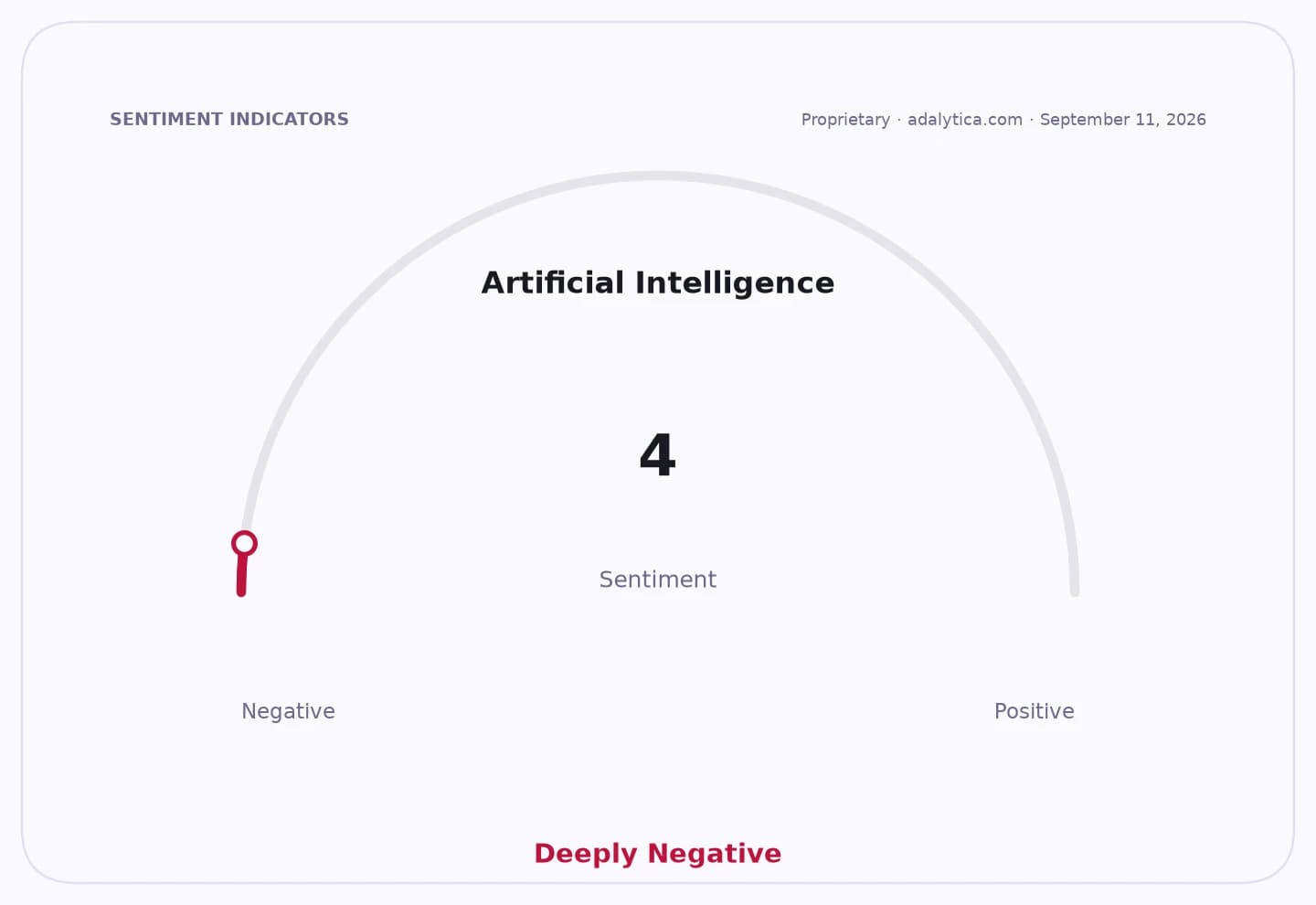
Governments are waking up to a simple but expensive truth: if artificial intelligence runs on the cloud, chips and software of a handful of U.S. giants, then digital sovereignty is no longer a policy slogan — it is an economic risk. That matters because the more public services, data and decision-making move into AI systems, the more vulnerable countries become to geopolitical shocks, export controls, cyberattacks and vendor lock-in.
A new Capgemini survey cited by Reuters found that leaders at 1,300 large organizations across 11 countries are now scrutinizing their dependence on critical digital infrastructure much more closely. Nearly half of respondents said replacing an important technology supplier could take three months to a year, while more than a third said it could take longer than a year. That is an eternity when the systems involved run hospitals, tax offices, identity databases and other basic public functions.
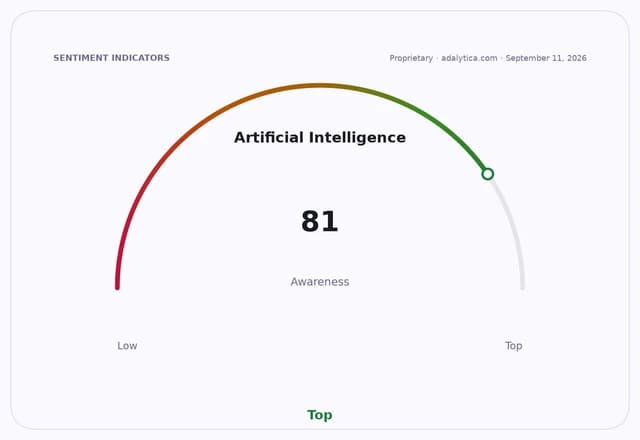
The shift is especially important for investors because the AI boom has been built on concentration. The World Bank has warned that the AI value chain is clustered in a small number of countries and companies, with a few firms controlling the most advanced models, chips and the data centers that power them. That concentration has helped governments and businesses adopt AI quickly without having to spend billions building everything themselves. But it has also created a world where a single vendor can become hard to dislodge once an institution’s data, workflows and applications are deeply embedded.
That is the heart of the digital sovereignty debate. It is not about every country suddenly manufacturing its own chips or inventing its own foundation models. It is about keeping control over critical data, ensuring systems can interoperate, and preserving the ability to switch providers when politics, pricing or security changes. For long-term investors, that distinction matters. The biggest winners may still be the dominant cloud and AI platforms, but the next phase of adoption could also favor companies that help governments build “sovereign” or locally governed layers on top of those platforms.

Microsoft, Alphabet and Amazon are squarely in that conversation. Microsoft shares closed at $497 on Sept. 11, with the stock trading well above its 200-day moving average of about $430, even after a sharp earlier-year pullback. Alphabet ended at $338.24, also above its long-term trend, while Amazon closed at $255.83. Those prices do not tell the whole story, but they do show investors still assign enormous value to the companies that sit at the center of AI infrastructure. The question is whether that value will be reinforced by sovereign-cloud demand or pressured by governments seeking more leverage, more redundancy and more control.
That tension is already shaping policy. The UNDP said it is working with the DFINITY Foundation to study sovereign cloud infrastructure and decentralized AI for public-sector use. The broader message is that governments do not necessarily want to abandon Big Tech; they want options. They want to avoid closed systems, standardize data, make platforms interoperable and keep a backup plan if a supplier becomes politically or operationally risky.
For countries with limited resources, open AI models and flexible cloud arrangements may offer a practical middle ground. They can provide more room to inspect, customize and deploy AI without surrendering everything to one foreign vendor. But the trade-off is clear: proprietary systems still offer capabilities many governments cannot build on their own. That is why the most likely outcome is not deglobalization, but diversification.
Investors should see that as a long-term moat test, not a short-term headline. The companies that can offer secure, compliant and portable AI infrastructure for governments may gain share. Those that rely on lock-in and opaque ecosystems may face more resistance. Over the next 3 to 10 years, digital sovereignty could become as important to public-sector buying decisions as price and performance — and that makes the AI platform war even more interesting, not less.
| Entity | Gains | Losses |
|---|---|---|
| Sovereign cloud providers | ▲More public-sector demand | ▼Less reliance on one vendor |
| Big Tech cloud leaders | ▲New AI infrastructure sales | ▼Greater scrutiny and switching risk |
| Governments | ▲More control and resilience | ▼Higher costs and complexity |
| Open AI platforms | ▲Better chance of adoption | ▼Fewer locked-in advantages |