Dogecoin’s push to turn meme-driven attention into actual product revenue just took a real corporate step, but the market still needs the closing conditions to clear before House of Doge’s asset transfer becomes a balance-sheet reality.
Dogecoin Labs Formation and House of Doge Transfer
That matters because the formation of Dogecoin Labs is not just branding. It is an attempt to fold three separate efforts — MyDoge, DogeOS and Such App — into one operating unit designed to cut duplicate work, speed development and lower overhead. For investors, that is the difference between a loose crypto ecosystem and a more investable operating structure with clearer product accountability.
House of Doge says the planned contribution would hand selected development, engineering and commercial functions, plus related assets, to Labs in exchange for an ownership stake. The company has not given a closing date, and the transaction remains subject to applicable conditions. That delay is important: until the transfer closes, the market is pricing a concept more than a completed restructuring.
The economic logic is straightforward. In a weak crypto tape, where liquidity is tight and speculative capital is more selective, projects need to show they can convert community interest into sustainable usage. Labs is meant to do that by coordinating product development across the Dogecoin stack and by pushing commercial features that can support transaction activity. Such App’s beta already includes Dogecoin merchant sales, invoicing and QR-code payments, while DogeOS has opened a public testnet for Dogecoin applications compatible with the Ethereum Virtual Machine.
That positions Dogecoin less as a pure trading token and more as an emerging payments and applications ecosystem. If that transition gains traction, the beneficiaries extend beyond DOGE holders to infrastructure, wallet and application developers that can monetize usage rather than sentiment alone. House of Doge’s own plans to direct resources toward tokenized alternative investments and sports-related initiatives suggest it is looking for adjacent revenue streams, not just token price appreciation.
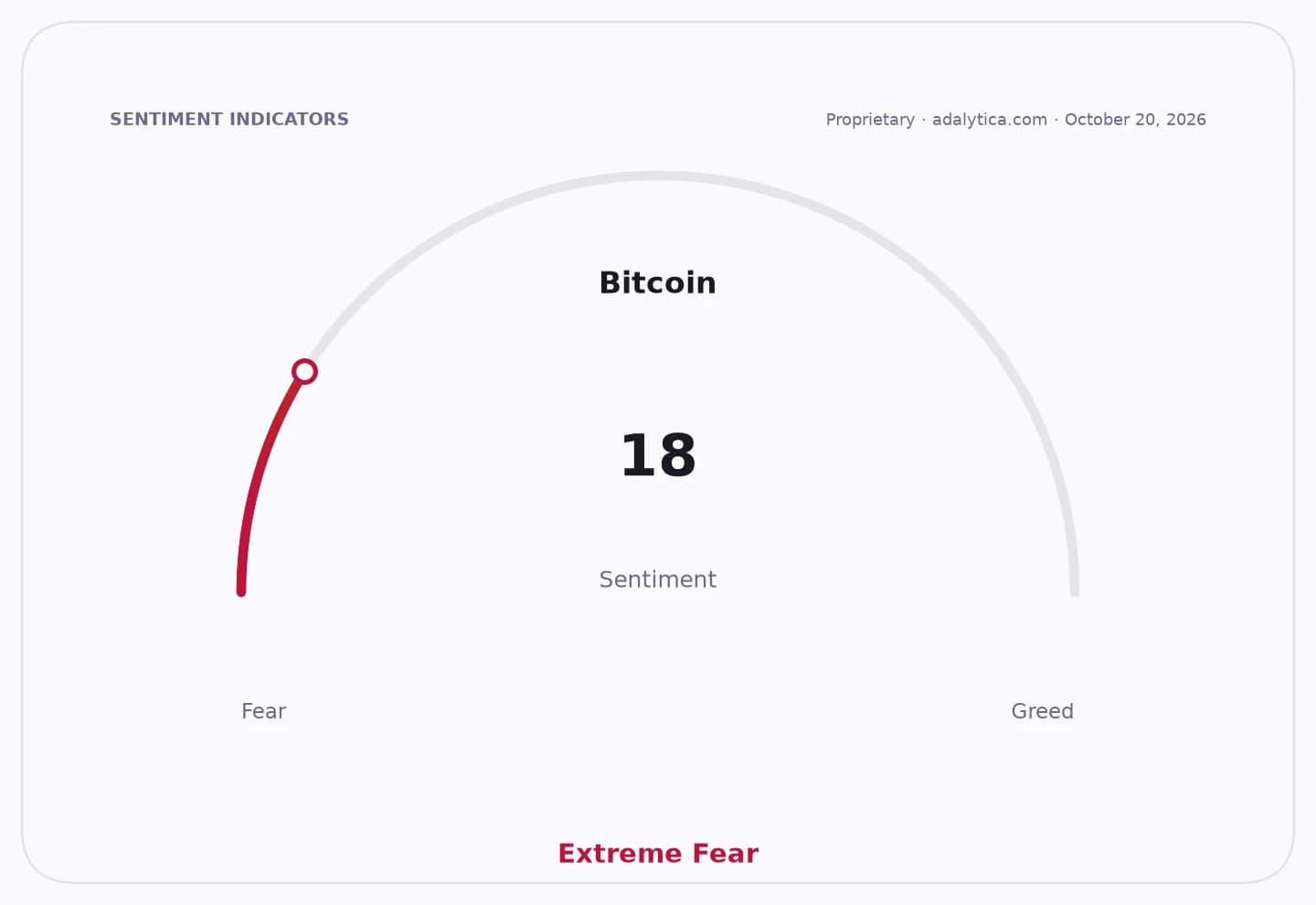
The market backdrop, however, remains unforgiving. DOGE was trading around $0.08 in the latest data, with its 50-day and 200-day moving averages both near $0.09 and the RSI at 42.8, signaling a token still struggling for momentum even as it tries to build a more serious operating base. Bitcoin, meanwhile, was holding near $81,257 and Ethereum around $2,359, but both remain sensitive to macro risk, with crypto sentiment still shaped by Federal Reserve expectations and geopolitical tension. In that environment, projects that can demonstrate utility and cleaner execution deserve a premium.
The real investment takeaway is that Dogecoin Labs is an early signal of a broader shift: the market is starting to separate speculative token narratives from businesses that can organize products, reduce costs and create recurring use cases. If the closing conditions are satisfied and the integration delivers, this could become one of the clearer examples of how crypto platforms evolve from hype into infrastructure. The opportunity is to watch for the next catalyst — not just in DOGE price, but in whether Labs can prove this ecosystem can actually scale.
| Entity | Gains | Losses |
|---|---|---|
| Dogecoin Labs | ▲tighter execution | ▼duplicated work |
| House of Doge | ▲lower overhead | ▼standalone costs |
| DOGE holders | ▲utility upside | ▼delay risk |
| Rival meme tokens | ▲less attention | ▼capital rotation away |