Dollar Slides on Fed-ECB-BoJ Policy Divergence

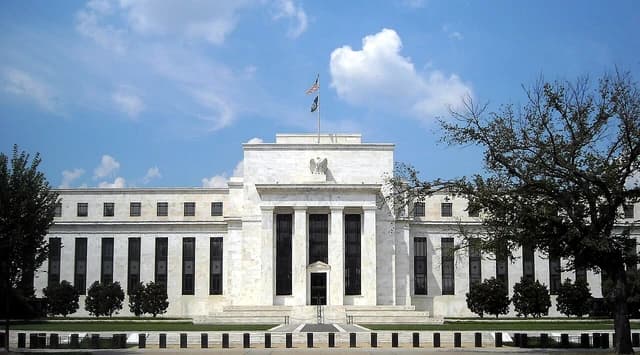
The US dollar is slipping toward a three-month low as traders position for a widening policy gap that could leave the Federal Reserve on hold while the European Central Bank and Bank of Japan keep raising rates.
That divergence matters because it directly shapes global capital flows and relative currency yields. A Fed pause removes one of the dollar’s key supports just as higher rates in Europe and Japan make the euro and yen more attractive on a hedged basis, pressuring the greenback and potentially extending the move in major FX pairs.

The dollar index was last around 98.84, while the euro has climbed above 1.17 for the first time in months. Against the yen, the picture is more complicated, but the currency pair is still being driven by the prospect that Japan may keep normalizing policy after years of ultra-low rates.
Standard Chartered’s view that the Fed will stand still while the ECB and BoJ raise rates fits a market already leaning away from the dollar. US 10-year Treasury yields were around 4.675% and the 2-year at 4.198%, a spread that still offers the dollar support, but not enough to offset the growing case for policy divergence if the Fed refrains from signaling another hike.
That has already shown up in currency products. The Invesco DB US Dollar Index Bullish Fund, which tracks the dollar against a basket of major peers, closed at 27.96 on Aug. 24, below its 50-day moving average of 28.27 and with an RSI reading of 39.1, a sign of weakening momentum by conventional technical measures. The WisdomTree Japanese Yen Fund ended at 57.63, also below its 200-day moving average, underscoring that the yen has yet to fully catch up with the shift in rate expectations.
For investors, the immediate issue is whether Jackson Hole reinforces the market’s view that the Fed is done while Europe and Japan are still tightening. If it does, the dollar’s recent slide could deepen, boosting foreign-exchange volatility, improving returns for non-US assets in dollar terms and putting pressure on dollar-heavy positions and exporters that rely on a firm greenback.
The next catalyst is the Fed’s messaging from Jackson Hole, where any pushback against easing expectations could slow the dollar’s decline. A dovish tone, though, would likely leave the greenback vulnerable to further losses if the ECB and BoJ keep moving in the opposite direction.
| Entity | Gains | Losses |
|---|---|---|
| Euro | ▲Higher rate support | ▼Dollar strength |
| Japanese yen | ▲Policy normalization | ▼Yield gap versus USD |
| Non-US investors | ▲Softer dollar returns boost | ▼US-dollar hedges |
| US exporters | ▲More competitive pricing | ▼Importers paying weaker-dollar costs |