Dollar, gold gain as reserve managers seek liquidity
The world’s financial system is no longer being tested by one crisis at a time, and that is pushing central banks and investors to hold more liquidity, keep more assets diversified and stay overweight the dollar and gold.
That is the core message from Domenico Nardelli of the Asian Infrastructure Investment Bank, who warned in Colombo that even the strongest reserve frameworks are “one shock away” from being stressed. His point matters because the next disruption is increasingly likely to arrive through a geopolitical flare-up, a cyberattack, a sudden capital outflow or an operational failure — and when it does, it tends to hit fast. For markets, that means balance-sheet resilience is becoming a premium, not a luxury.
The economic significance is straightforward: in a fragmented world, liquidity has real value. Central banks, sovereign wealth funds and large institutions are being forced to keep larger buffers to meet redemptions, fund imports and defend currencies without being forced sellers in stressed markets. That shifts capital away from maximum return toward maximum survivability, reinforcing demand for highly liquid reserve assets and making short-duration stress management a more important part of macro policy than it was in the last decade of cheap money.
Nardelli’s defense of the dollar underscores that shift. Despite the de-dollarization debate, he said the US currency remains the dominant reserve asset and still accounted for about 57% of official global reserves in the first quarter of 2026. With global reserves around $13 trillion, the dollar’s network effect remains enormous because Treasury markets are still the deepest and most liquid in the world. The market takeaway is that investors may diversify around the dollar, but they are not fleeing it. That supports continued structural demand for Treasuries and dollar liquidity even as geopolitical risk rises.
Gold is the clearest beneficiary of that diversification trade. Nardelli called it insurance because it carries no government credit risk and does not depend on any single jurisdiction. That is exactly why gold keeps attracting flows whenever confidence in institutions, currencies or borders weakens. GLD has held near $399, and while the metal has cooled from earlier extremes, the broader trend remains intact. In a world where official reserves are still dominated by the dollar but confidence is eroding at the margin, gold is the natural second anchor.
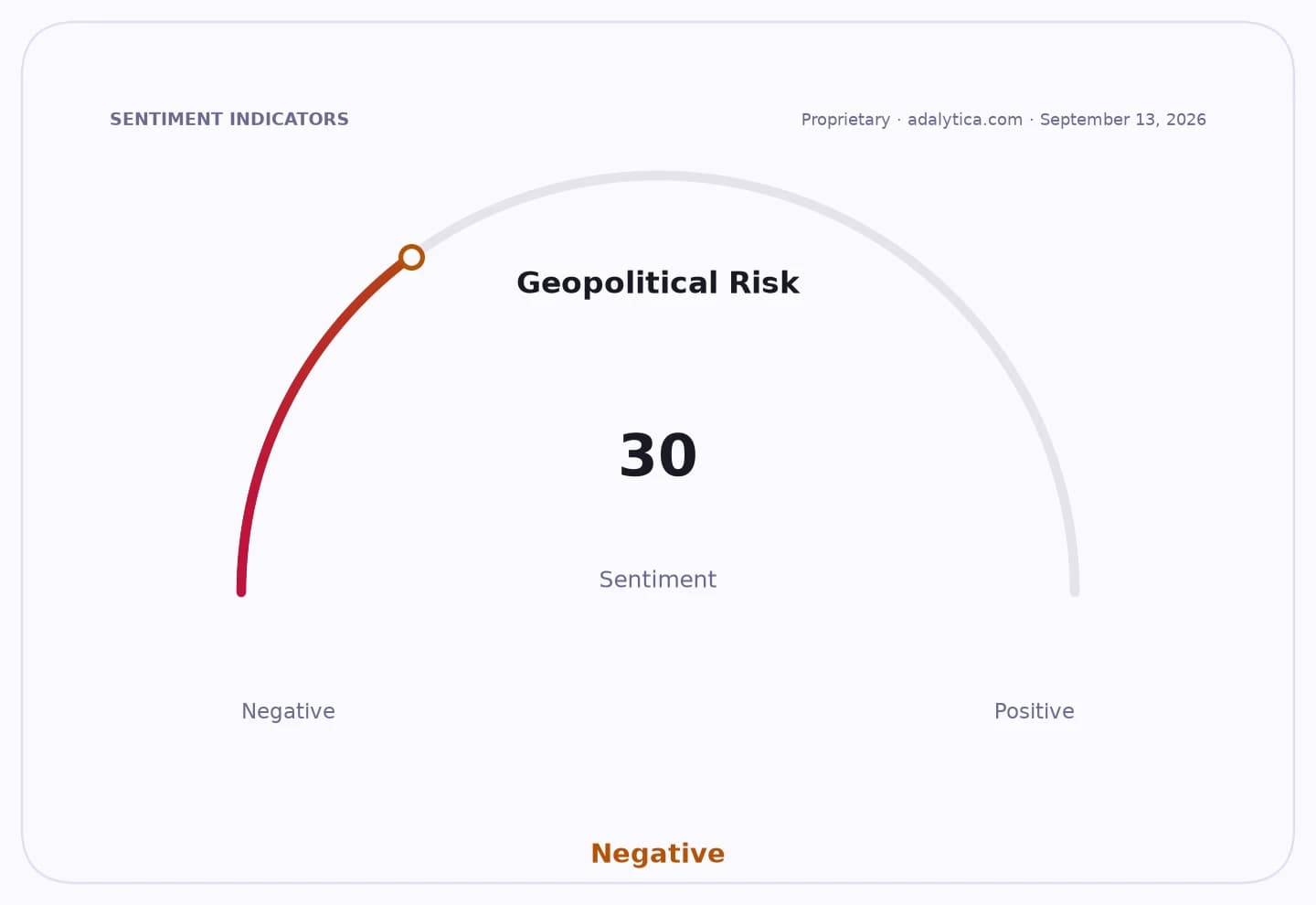
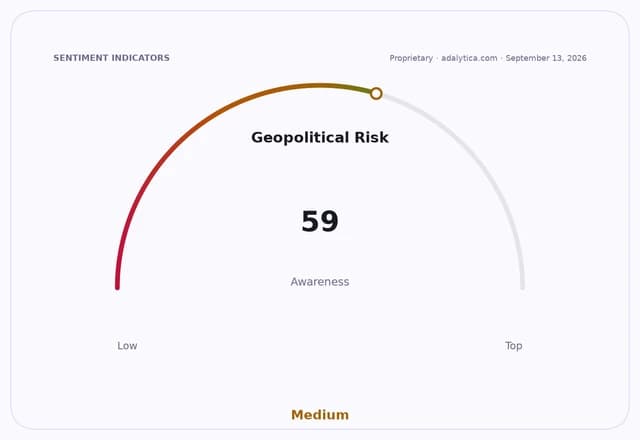
The market backdrop reinforces the same story. Adalytica’s Global Stability Sentiment is in Fear, and its S&P 500 trade signals show Extreme Fear, even as SPY remains above both its 50-day and 200-day moving averages. That combination usually reflects an uneasy market: prices are still elevated, but positioning is defensive and investors are paying up for protection. UUP, the dollar ETF, is also holding above its long-term trend, suggesting the greenback remains a preferred refuge whenever volatility rises.
For investors, the thesis is not to bet on collapse. It is to recognize the new regime. Geopolitical fragmentation, cyber risk and recurring shocks favor assets and businesses that provide liquidity, settlement, storage, defense or monetary insurance. That includes the dollar, Treasuries, gold and the infrastructure around global payments and risk management. The market is still treating this as a headline-driven anxiety cycle. I believe it is actually a multi-year allocation shift, and the winners will be the assets that help institutions survive the next shock rather than chase the last rally.
| Entity | Gains | Losses |
|---|---|---|
| US dollar | ▲Reserve demand | ▼De-dollarization narratives |
| Gold | ▲Safe-haven flows | ▼Risk assets in stress |
| Treasuries | ▲Liquidity premium | ▼Illiquid credit bets |
| Global equities | ▲Defensive rotation discipline | ▼Leverage and concentration |