Dollar and gold rise in parallel market on Sept. 1
The dollar, euro, pound and gold all climbed at the end of the parallel market on Sept. 1, a sign that currency stress is still pushing investors toward hard assets and stronger foreign money even as local pricing remains volatile.
That matters because parallel-market moves often tell you more about confidence than official exchange rates do. When households and traders are bidding up dollars, euros and pounds at the same time as gold, they are paying up for two things investors always want in periods of uncertainty: liquidity and protection. In economies where access to foreign currency is tight, that can feed directly into imported inflation, higher hedging costs and pressure on companies that rely on overseas inputs.
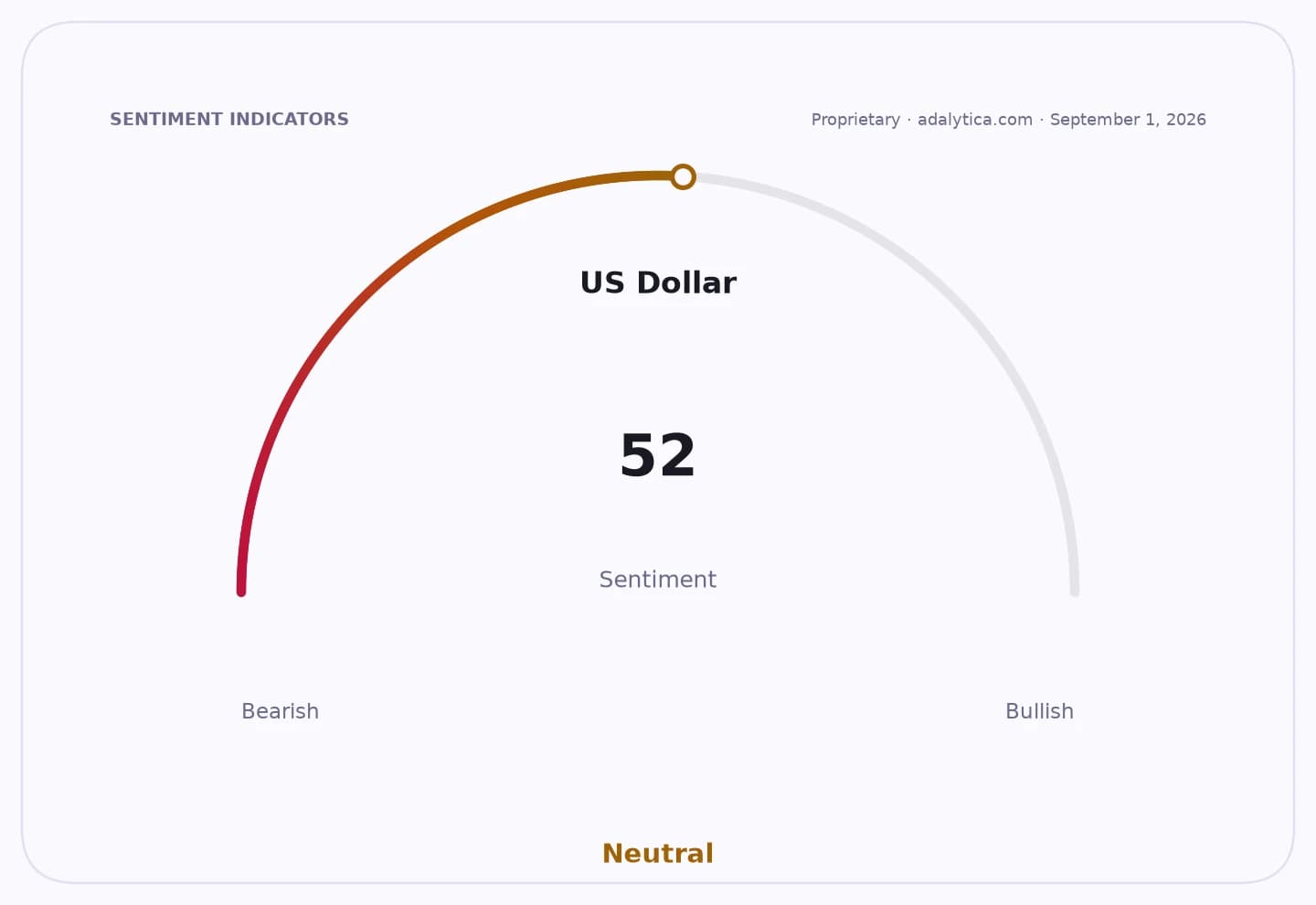
The bigger story is that the dollar remains the anchor trade. Adalytica’s US Dollar Trade Signals showed neutral sentiment at 52, with awareness also neutral at 47, but the 1-day and 7-day changes point to a fresh pickup in attention. The dollar ETF UUP rose to 28.21 on Sept. 1 from 28.12 a day earlier, while gold-backed GLD slipped to 396.75 after trading as high as 408.89 on Aug. 31. Even with that pullback, gold remains far above its 50-day moving average of 386.74, showing the broader uptrend is intact.
Bond yields reinforce the same message. The U.S. 10-year Treasury yield was projected to edge up to 4.777% from 4.75%, keeping the dollar supported and making non-yielding assets like gold less comfortable to own at the margin. But gold has not lost its place as a hedge. Adalytica’s Gold Fear & Greed Index sat at an extreme fear reading of 1, suggesting investors are still treating the metal as protection rather than a speculative trade.
For investors, that combination matters in two ways. First, a firmer dollar can pressure emerging-market currencies, foreign earnings and commodity prices, which is why importers and companies with dollar debts often feel the pain first. Second, persistent demand for gold tells you that confidence is still fragile. That usually helps miners, bullion products and defensive portfolios, while it can weigh on local buyers and businesses exposed to currency swings.
The long-term lesson is simple: when parallel-market prices for major currencies and gold all move higher together, investors should think less about the day’s quote and more about balance-sheet resilience. In volatile currency environments, the winners are usually those with hard-currency revenues, low debt and durable cash flow. The losers are those forced to chase dollars at a premium. Worth watching for anyone building a portfolio meant to hold up over years, not days.
| Entity | Gains | Losses |
|---|---|---|
| Dollar holders | ▲Preserve purchasing power | ▼Buyers facing higher FX costs |
| Gold owners | ▲Safe-haven demand | ▼Cash buyers after price spikes |
| Importers | ▲Little, unless hedged | ▼Higher input and shipping costs |
| Local borrowers in foreign currency | ▲Hedged balance sheets | ▼Debt-service pressure |