Dollar Near 99, Euro at 1.17, Pound at 1.36
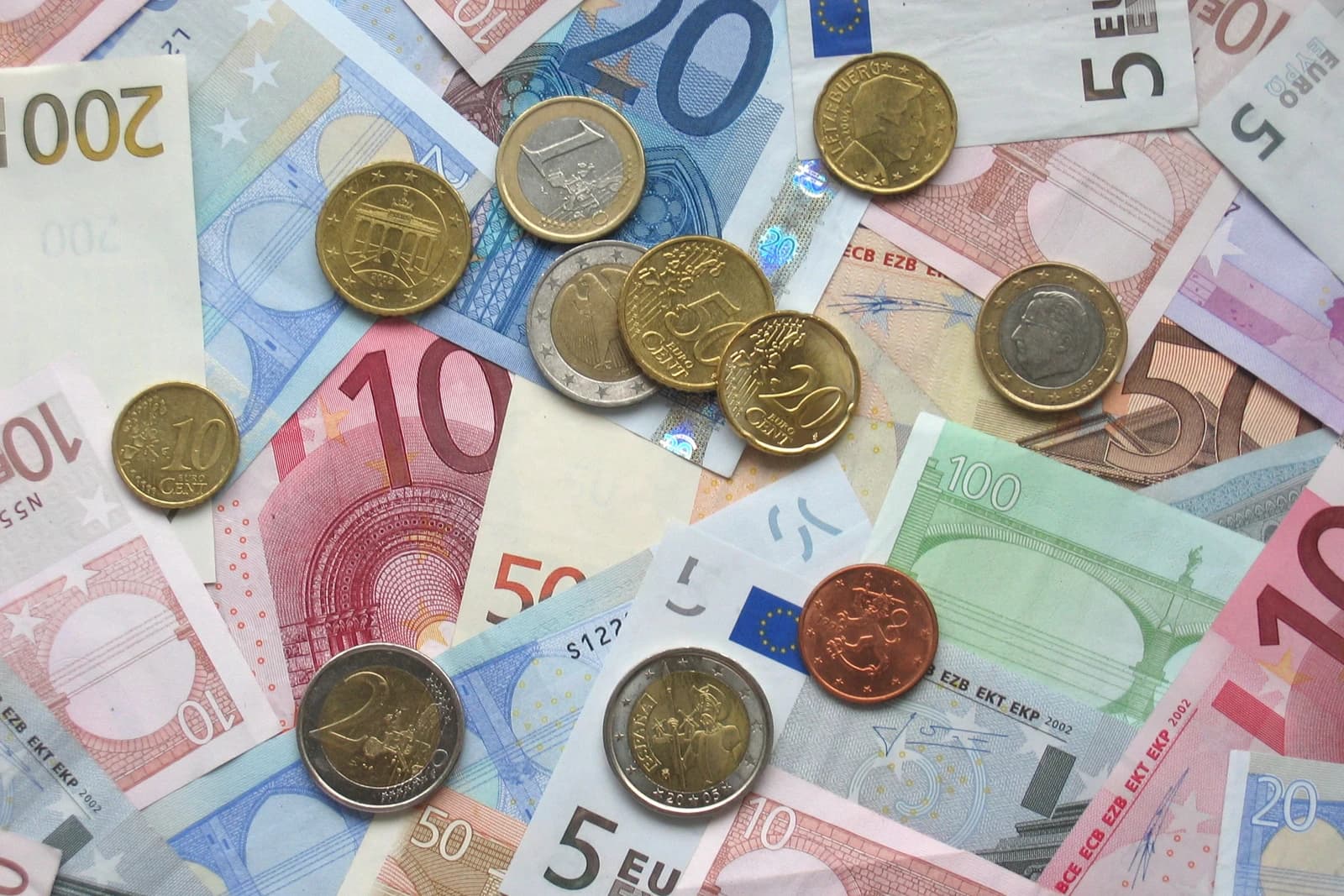
The dollar is the clearest loser in Sunday’s foreign-exchange setup, with the euro holding around $1.17, sterling anchored near $1.36 and the DXY index stuck just below 99 as traders keep leaning against the greenback.
That matters because the FX market is once again sending a macro message: capital is no longer paying up for dollar safety the way it did during earlier bouts of uncertainty. A softer dollar eases financial conditions for Europe and the U.K., supports imported demand for U.S. goods and can feed directly into commodity prices and global risk appetite. For investors, it also changes the return math across equities, bonds and cross-border earnings.

The euro’s latest level near 1.17 shows the single currency is still trading in a narrow but resilient range, even after a volatile year that saw it swing from overbought readings to oversold ones on standard technical gauges such as RSI. The pair is hovering close to its 50-day moving average, while the dollar index has fallen back below its own short-term trend after briefly pushing above 101 in July. That combination suggests the market is not pricing a new dollar breakout — it is pricing drift.
Adalytica’s dollar trade signals underscore the same point. The U.S. currency is sitting in “Extreme Fear” on sentiment, while FX volatility is also flashing “Extreme Fear,” a sign that traders expect the big macro swing in the dollar may already have happened. In practical terms, that usually helps international stocks, commodity producers and U.S. multinationals with foreign revenue, while pressuring those sitting on unhedged dollar longs.

Sterling’s steadiness around 1.36 is equally important. The pound has outperformed enough to keep pressure on exporters in the U.K., but it also tells you investors are not rushing for the exits on British assets. That leaves room for selective exposure to U.K. banks, domestic retailers and other companies that benefit from a firmer currency and lower imported inflation, while hedged global earners may lag if the pound keeps grinding higher.
The bigger trade here is not a single-day move in EUR/USD or GBP/USD. It is the possibility that the market is transitioning from a dollar-dominance regime into a more balanced FX backdrop, where the euro and pound can hold gains without needing a full-blown risk rally. If that persists, the winners are likely to be non-U.S. equities, commodities and firms with heavy dollar debt and overseas revenue; the losers are the classic crowded dollar-haven trades.
For investors, the takeaway is simple: stay alert to a weaker dollar regime, because it tends to arrive quietly and then reshape asset allocation fast. I believe the best positioning now is to favor assets that benefit from easier global liquidity and a softer greenback, while trimming exposure to overextended dollar longs before the next macro catalyst hits.
| Entity | Gains | Losses |
|---|---|---|
| Euro / European exporters | ▲Easier financial conditions | ▼Dollar bulls |
| British pound / U.K. domestic assets | ▲Lower imported inflation | ▼U.K. exporters |
| U.S. multinationals | ▲Translation tailwind | ▼Importers with dollar costs |
| Dollar / safe-haven longs | ▲— | ▼Carry and hedged FX trades |