Dollar Rises as Oil, Yields Climb
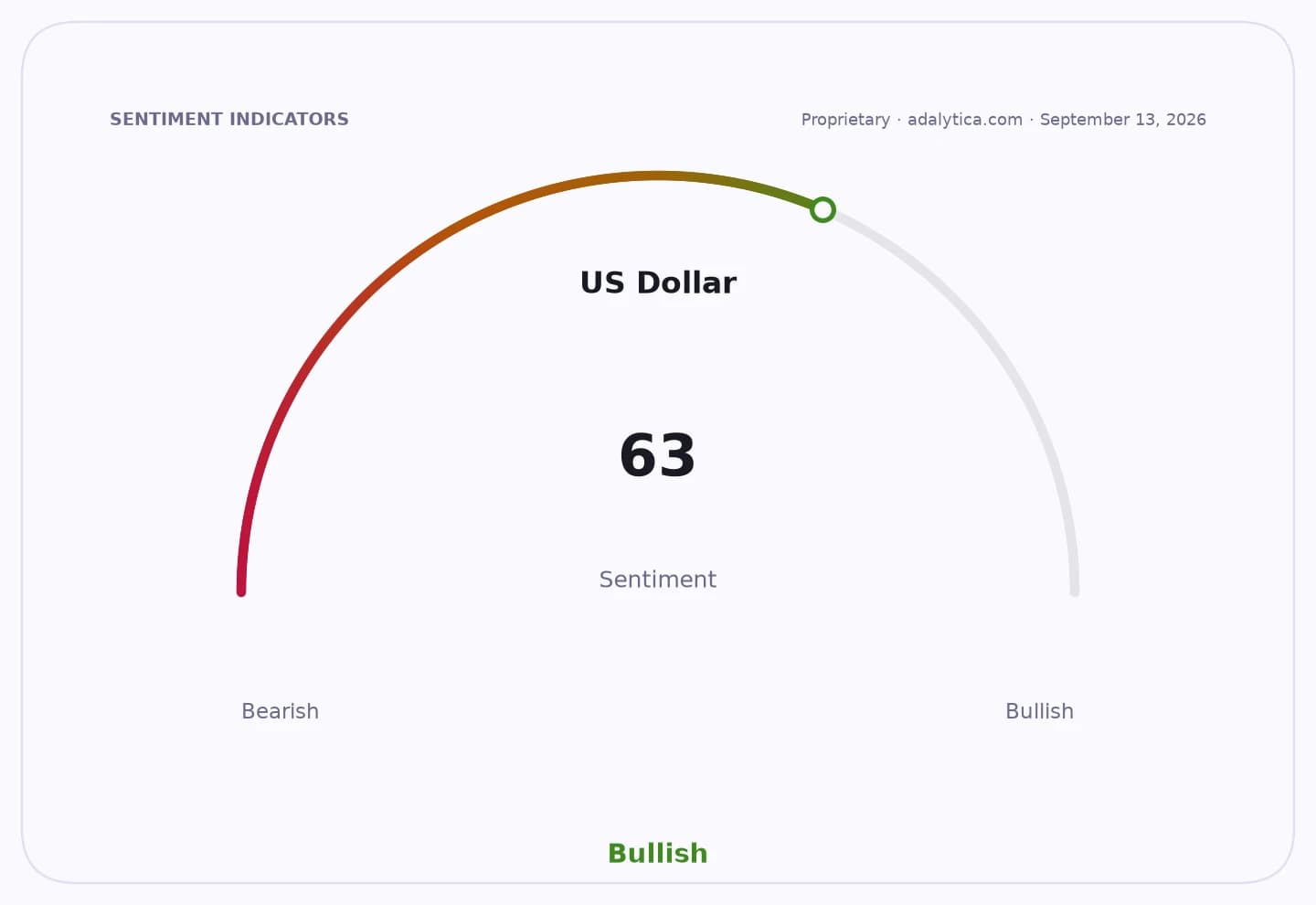
The U.S. dollar is back on firmer footing, and that matters because the currency’s rebound can ripple through import costs, inflation expectations, earnings and global capital flows.
On Thursday, the dollar recovered against major peers as oil prices and bond yields climbed, helping the greenback claw back some of its weekly losses. The U.S. Dollar Index rose 0.28% to 99.09, while Vietnam’s central bank trimmed its reference rate for the dong by 3 dong to 25,591 per dollar.
For investors, the key point is that this is not just a one-day bounce. A stronger dollar can ease some pressure on U.S. multinationals that earn abroad, but it tends to tighten financial conditions for emerging markets and puts added strain on importers. It also matters for rate-sensitive assets, because a firmer dollar often travels with higher yields and a more cautious risk tone.
The move was helped by a jump in crude prices after Houthi forces seized Yemen’s Mokha port, reviving concerns about shipping disruptions in the Red Sea and the Strait of Hormuz. Energy shocks can quickly feed into inflation expectations, and when inflation worries rise, so do Treasury yields. That combination usually supports the dollar.
The euro slipped after the European Central Bank delivered the rate increase that markets had expected, while the yen eased after three straight days of gains. The yen’s retreat is especially notable because it remains not far from a seven-month high ahead of a widely expected Bank of Japan rate increase next week. Canada’s dollar and the British pound also weakened, underscoring how broad the dollar’s recovery was.
For long-term investors, the lesson is simple: currency swings are part of the landscape, not a reason to chase headlines. But they do affect portfolios. U.S. investors with overseas revenue exposure, foreign assets or international bond holdings should pay attention, because a rising dollar can change returns even when the underlying business or market is stable.
The dollar’s near-term path will likely hinge on whether oil stays elevated, whether yields keep rising and whether central banks outside the U.S. keep closing the policy gap with the Fed. For now, the greenback’s rebound looks like a reminder that macro forces can change fast, and that currency exposure deserves a place in every diversified, long-term portfolio.
| Entity | Gains | Losses |
|---|---|---|
| U.S. dollar | ▲Firmer global demand | ▼Foreign-currency borrowers |
| U.S. importers | ▲Cheaper overseas buying | ▼Exporters' price competitiveness |
| Vietnam’s dong | ▲Slight policy adjustment room | ▼Import cost pressure |
| Euro, yen, pound | ▲— | ▼Weaker versus greenback |