Dong Nai pilots commercial housing land-rights deal
Dong Nai has begun piloting a commercial housing project through an agreement on receiving land use rights, a move that could unlock new residential supply in one of southern Vietnam’s fastest-growing industrial provinces.
The step matters because land access has been one of the biggest bottlenecks for developers in Vietnam’s property market, where project approvals, land conversion and compensation disputes have delayed launches and tied up capital. By allowing a project to proceed via negotiated land-use rights, Dong Nai is testing a mechanism that could speed development, broaden supply and ease pressure in a market still struggling with a shortage of legal housing inventory.
For investors, the development is significant because it may improve visibility on project pipelines for listed developers with exposure to southern Vietnam, including Vinhomes, Novaland and Khang Dien. A clearer route to land consolidation can shorten development cycles, support presales and reduce the risk that cash is trapped in unfinished projects waiting for approvals.
The timing also fits with a wider policy push to address housing shortages in Vietnam’s major urban corridors. Ho Chi Minh City is set to start work on 10,000 social housing units on Sept. 2, while also planning large-scale relocations and canal-side clearance projects through 2030, underscoring how authorities are trying to increase supply and reshape urban land use at the same time.
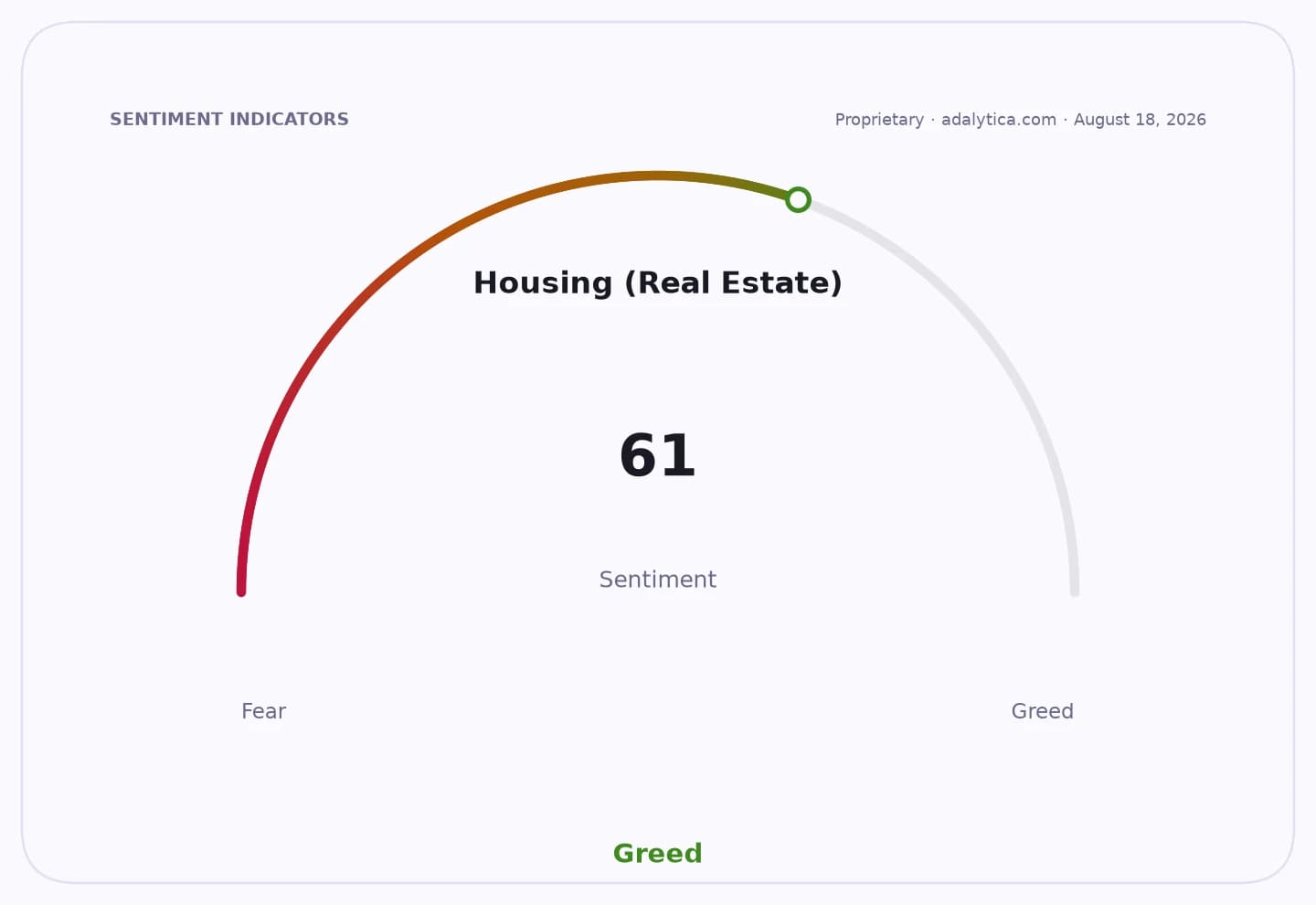
Housing sentiment in the broader market remains shaky even as attention on the sector stays high. Adalytica’s Housing Fear & Greed Index for XHB showed sentiment at 61, classified as neutral, but down 7 points on the day and sharply lower over the past month, while its housing and rent inflation gauge remained in extreme fear territory at 11, reflecting persistent affordability stress.
The key question now is whether Dong Nai’s pilot becomes a repeatable model for other localities or remains a one-off exception. Developers, lenders and homebuyers will be watching for how quickly the first projects clear approval, how compensation is handled and whether the policy can translate into faster housing delivery without creating new legal uncertainty.
| Entity | Gains | Losses |
|---|---|---|
| Dong Nai authorities | ▲Faster project rollout | ▼Less rigid control over land process |
| Developers | ▲New route to secure land | ▼Higher compliance and compensation costs |
| Homebuyers | ▲More housing supply | ▼Delays if approvals stall |
| Existing landholders | ▲Potential compensation deals | ▼Pressure to negotiate land transfer |