Dongfeng Fengxing Xinghai V6 launches at 89,900 yuan
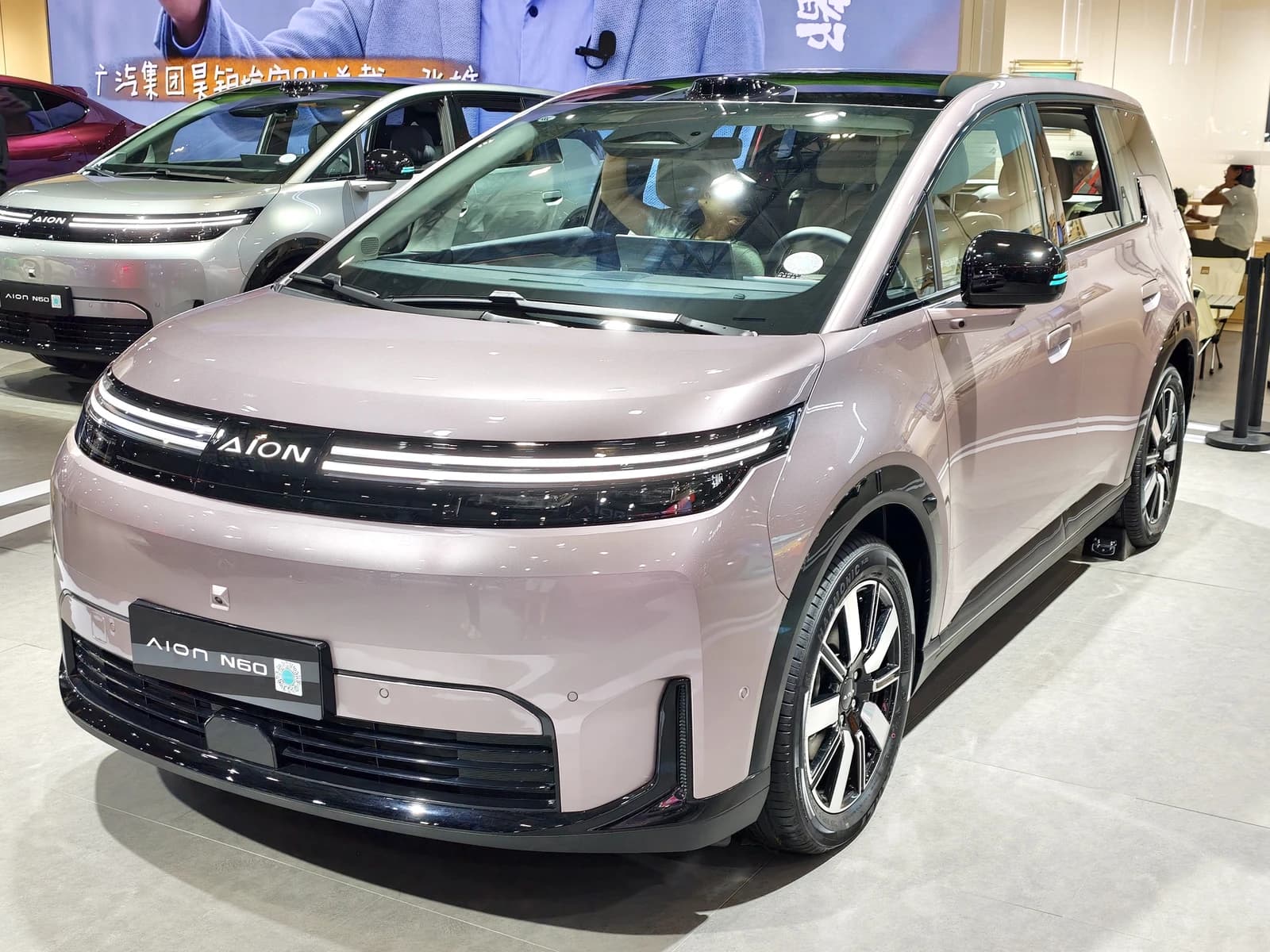
Dongfeng Fengxing is about to launch a 6-seat electric MPV with Huawei-backed driver assistance, 510 kilometers of range and a starting price of just 89,900 yuan, a move that shows how aggressively China’s automakers are commoditizing electric family transport.
That matters because the Xinghai V6 is not being pitched as a niche tech halo car. It is aimed straight at the mass market under 100,000 yuan, where buyers have traditionally had to choose between space, range and price. By stuffing a 2+2+2 cabin, a 14.6-inch center screen, an 8.8-inch digital cluster and Huawei’s Qiankun ADS 5.0 into a vehicle priced at roughly 348 million to 484 million dong, Dongfeng is taking aim at one of the last defensible pockets of internal-combustion demand: practical family MPVs.
The bigger economic story is that China’s EV competition is no longer confined to compact sedans and SUVs. It is moving into larger, higher-utility vehicles where battery costs once made affordability harder to crack. A 45.5-kWh or 60.5-kWh LFP battery, 184 horsepower and up to 510 kilometers of CLTC range suggest a car built to win on value, not just specs. For consumers, that means more electric choice at a lower entry point. For the industry, it means margin pressure is likely to intensify as more brands race to sell hardware-rich models with advanced software at near-commodity prices.
Investors should read this as another sign that China’s auto market is becoming a scale-and-software contest, with Huawei and LFP battery suppliers emerging as obvious beneficiaries. Huawei’s role in the ADAS stack is particularly important: if drivers increasingly want high-end assistance features in sub-100,000-yuan vehicles, the value chain shifts toward sensors, compute and software integration, not just sheet metal and motors. That creates a tougher backdrop for automakers with weaker brands, thinner distribution or higher costs, including EV names that already trade under pressure.
The market is still underestimating how fast these capabilities are filtering down the price ladder. Adalytica.com’s China yuan trade signals currently show extreme greed, while sentiment around China growth is only neutral, underscoring the push-pull between confidence in the country’s industrial machine and caution on the broader economy. In that environment, low-priced EV launches can act as a demand stimulus inside the auto sector even if the macro picture remains uneven.
My takeaway: the Xinghai V6 is less about one MPV and more about where the next wave of EV disruption is heading. The best opportunities now sit with the suppliers of batteries, software and sensor systems, while legacy MPV makers and higher-cost EV rivals face another round of pricing pressure. If China’s automakers can deliver 500-kilometer range and advanced driver assistance at this price, the winners will be the companies selling the picks and shovels behind the platform, not the brands trying to protect old margins.
| Entity | Gains | Losses |
|---|---|---|
| Dongfeng Fengxing | ▲Volume growth | ▼Margins under pressure |
| Huawei | ▲More ADAS adoption | ▼N/A |
| LFP battery suppliers | ▲Higher demand | ▼N/A |
| Higher-cost MPV rivals | ▲N/A | ▼Price pressure |