Dorian LPG shares fell to $43.05 after Q1 results
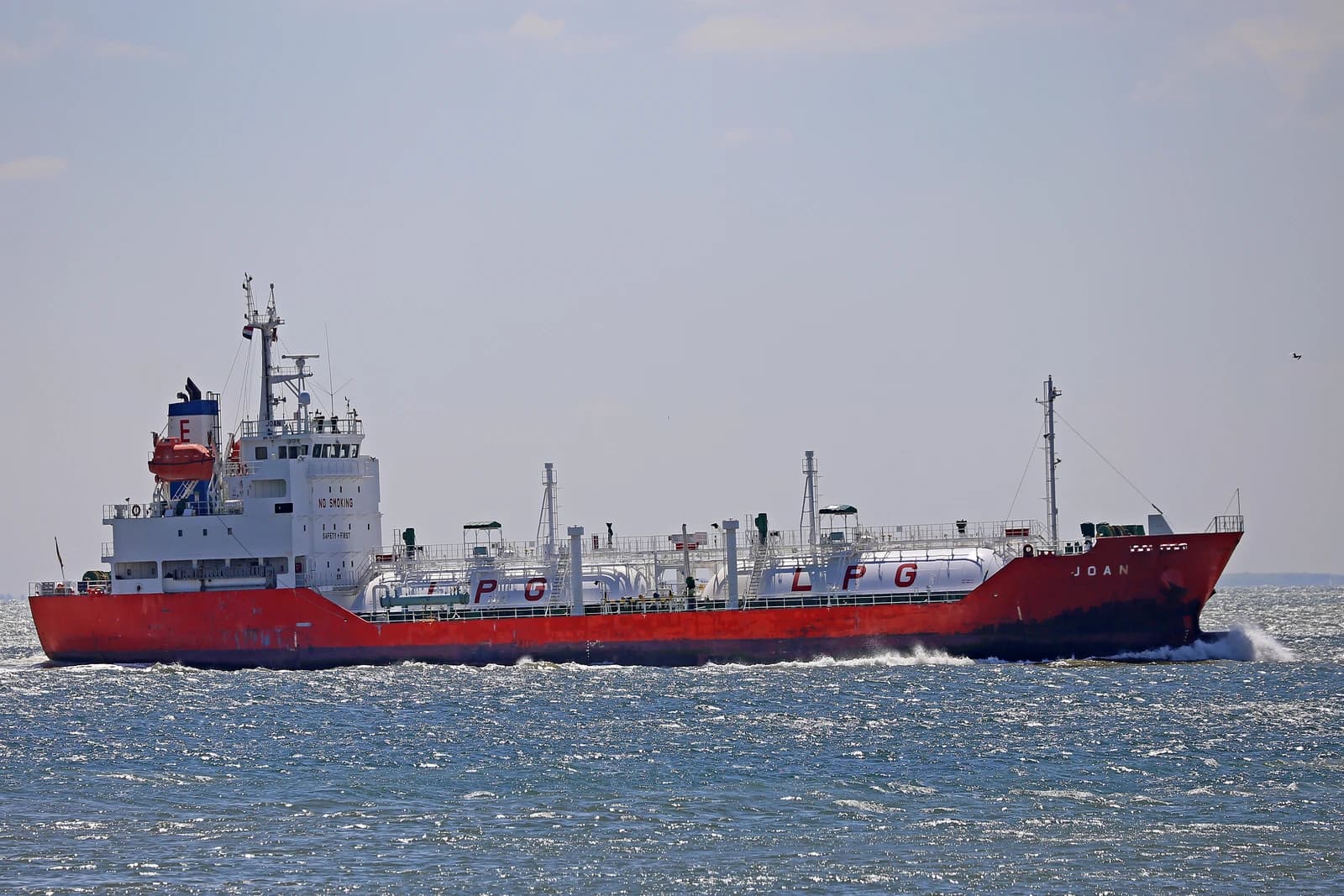
Dorian LPG’s first-quarter fiscal 2027 results were buoyed by geopolitical disruption that tightened shipping markets, but the bigger investment question is whether the earnings lift can last if traffic through the Strait of Hormuz normalizes.
The LPG tanker owner said its business benefited from a disruption-driven rerouting of energy flows after security concerns in the Middle East shook trade patterns and pushed vessel demand higher. That helped lift results for the quarter ended June 30, a period when the company’s fleet was also operating more efficiently, with available days rising to 2,469 from 2,086 a year earlier as the fleet expanded and drydock activity fell.
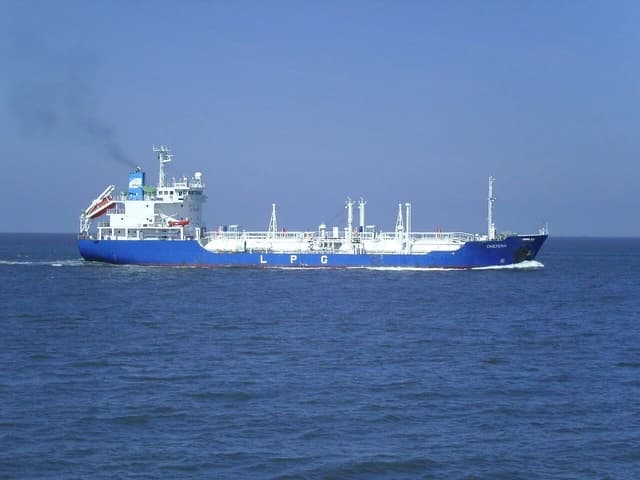
The market has already priced in much of that strength. Dorian LPG shares rose to $47.42 on July 31 before slipping to $43.05 on Aug. 5, still well above the 50-day moving average of $40.80 and more than 40% above the 200-day average of $32.36. The stock’s recent pullback came after the relative strength index, a standard technical indicator, showed the shares had been overbought, while the MACD remained positive but flattened, suggesting momentum is cooling even as the longer-term trend stays intact.
The catalyst is geopolitics, not just industry fundamentals. Oil-market risk around the Strait of Hormuz, one of the world’s most important energy chokepoints, has kept freight conditions unusually tight and lifted sentiment across tanker-linked names. Adalytica’s Global Stability Sentiment gauge was still reading “Greed” at 82, with “awareness” at an extreme 100, underscoring how closely markets are watching any reopening of free passage. At the same time, Adalytica’s WTI Trade Signals showed oil sentiment at 77, also in “Greed,” reflecting expectations that any easing in maritime tension could reshape trade routes and freight economics quickly.
For Dorian, that cuts both ways. A normalization of shipping through Hormuz would likely reduce voyage disruption, ease freight premia and eventually pressure spot earnings across the LPG tanker fleet. But if reopening is gradual or incomplete, constrained routing could keep ton-miles elevated and support charter rates longer than investors expect. That is why the stock’s reaction matters as much as the earnings beat: it is trading less like a conventional cyclical and more like a leveraged play on geopolitical risk.
The company’s near-term advantage is that its larger fleet and fewer drydock days give it more earning capacity just as the market is tight. The bear case is that the earnings tailwind is transient, especially if Middle East shipping normalizes and the market shifts back toward vessel oversupply concerns. For investors, the key catalyst is whether freight rates and voyage distances stay elevated into the next quarter, or whether the relief in regional shipping quickly translates into softer spot conditions.
| Entity | Gains | Losses |
|---|---|---|
| Dorian LPG | ▲Higher freight earnings | ▼Rate normalization risk |
| LPG tanker owners | ▲Tighter vessel supply | ▼Lower war-risk premiums |
| Energy importers | ▲Smoother shipping flows | ▼Less route-driven leverage |
| Shippers/shorts | ▲Lower volatility if routes reopen | ▼Fading disruption trade |