Dow rebounds as Treasury yields ease

U.S. stocks bounced as Treasury yields pulled back, giving the Dow Jones Industrial Average room to recover about 300 points after three straight losing sessions. The move matters because the market’s biggest near-term pressure point has been borrowing costs: when yields cool, valuation support improves for equities and the interest-rate squeeze on the broader economy eases, at least at the margin.
The drop in yields is the real story here. The 10-year Treasury yield was around 4.79% and poised to edge higher before easing, while the 2-year was near 4.39%, levels that keep financial conditions tight and leave investors highly sensitive to every inflation print and Federal Reserve signal. Longer-dated yields have been pressing toward three-year highs as geopolitical risk and debt concerns keep term premiums elevated, so even a modest retreat can trigger a sharp relief rally in rate-sensitive parts of the market.
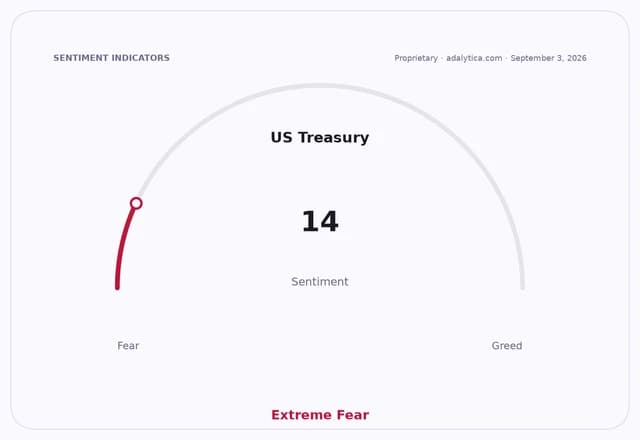
That backdrop helps explain why the Dow outperformed. At 530.62, the DIA tracking the blue-chip index remained above its 50-day and 200-day moving averages, but momentum indicators such as RSI had cooled, leaving room for a bounce once bond yields backed off. Small caps also steadied, with the Russell 2000 ETF IWM rebounding to 294.01 after recent pressure, while Treasury bonds firmed modestly, lifting TLT to 81.95.
For investors, the message is straightforward: the trade is still about rates, not just earnings. Higher yields punish long-duration growth stocks, compress equity multiples and raise the hurdle rate for everything from buybacks to capital spending. Lower yields do the opposite, even if only briefly, which is why a yield pullback can revive cyclicals, financials and rate-sensitive sectors in a single session.
The deeper narrative is that markets are fighting a tug-of-war between growth resilience, persistent inflation anxiety and a Treasury market that remains uneasy about the supply of government debt. As long as that tension persists, the Dow will keep responding less to headlines from corporate America and more to the direction of yields. The opportunity remains in positioning for that second-order effect: when bond markets stop climbing, equities get breathing room, and the first beneficiaries are often the most heavily discounted parts of the market.
| Entity | Gains | Losses |
|---|---|---|
| Dow Jones / DIA longs | ▲Relief rally | ▼Recent sellers |
| Treasury bond holders / TLT | ▲Price support | ▼Yield-chasing shorts |
| Rate-sensitive stocks | ▲Lower discount rates | ▼High-yield pressure |
| Small caps / IWM | ▲Easier financing conditions | ▼Borrowing-cost headwinds |