DP World Congo peace roadmap and trade routes
Global growth needs a reduction in geopolitical friction, and that is exactly why a peace roadmap between the Democratic Republic of Congo and M23 matters well beyond Central Africa. For investors, any step that steadies one of the world’s most volatile mineral corridors is a reminder that shipping, logistics and commodity supply chains are still priced as much on security as on economics.
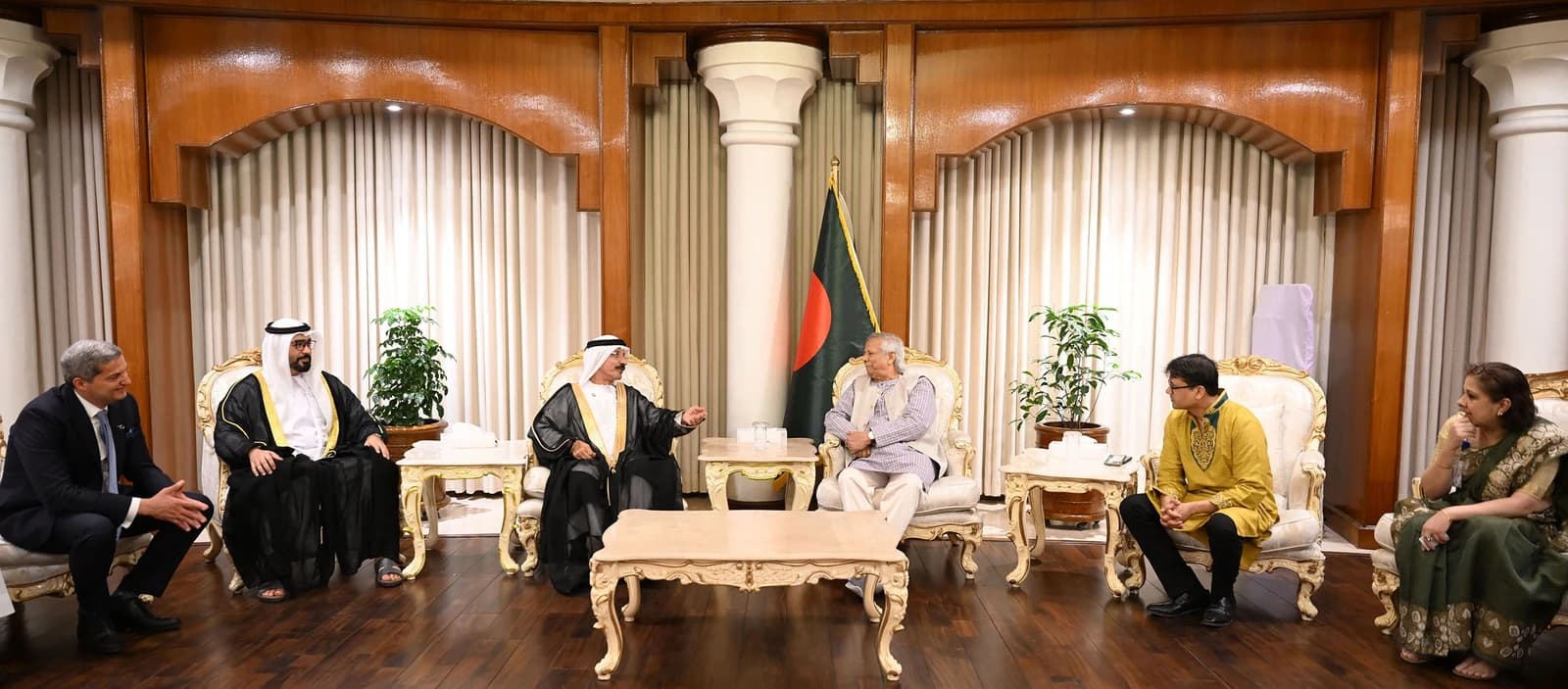
At the ET World Leaders Forum, DP World CEO Yuvraj Narayan argued that geopolitical actors “must make peace for global growth,” a line that captures the market’s biggest blind spot: trade expansion cannot be separated from stability. When conflict disrupts ports, roads and inland trade routes, the hit shows up not only in humanitarian terms but also in delayed mineral exports, higher freight risk premiums and weaker confidence in cross-border investment.
The Congo is especially important because eastern Africa sits on the front line of the energy-transition supply chain. The region is tied to cobalt, copper and other inputs that feed batteries, electrification and industrial metals demand. A roadmap to launch peace negotiations with M23 does not solve the problem overnight, but it lowers the odds of further disruption in a corridor that matters to miners, shippers and manufacturers alike.
That is why logistics companies and port operators are more than passive observers. DP World’s business model is built on trade routes, terminal throughput and inland connectivity, all of which benefit when regional instability eases and cargo flows become more predictable. The broader investment case is straightforward: stable trade routes support higher utilization, better pricing power and more durable capital investment across supply-chain infrastructure.
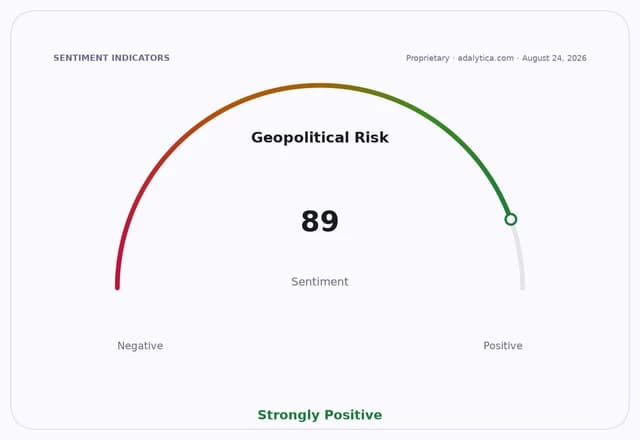
The market is also being reminded that geopolitics remains a macro variable, not a side issue. Adalytica’s Global Stability Sentiment gauge is sitting at 89, or “Extreme Greed,” while awareness is still only 29, labeled “Fear,” suggesting investors are quick to embrace risk appetite but remain underprepared for how quickly conflict can hit trade and commodity flows. That disconnect creates opportunities in the infrastructure and logistics names that gain when the world leans back toward commerce.
ZIM Integrated Shipping is one of the few publicly traded names in the context with clear technical momentum, and its stock has surged to $28.44, above both its 50-day moving average of $25.52 and 200-day average of $23.76. The move reflects the market’s willingness to reprice shipping exposure when supply chains tighten or normalize, but it also underscores how sensitive freight-linked equities remain to geopolitics and route stability.
For investors, the real thesis is not that one peace roadmap changes the world. It is that peace, even partial peace, is the prerequisite for the next leg of global trade growth. The companies best positioned are the toll collectors of commerce: port operators, logistics platforms, shipping lines and the miners supplying the energy transition. If negotiations advance and disruption fades, that is where the asymmetric upside sits.
The actionable takeaway: stay focused on infrastructure and logistics beneficiaries of a more stable trade map, while treating conflict-linked commodity and freight names as direct plays on geopolitics.
| Entity | Gains | Losses |
|---|---|---|
| DP World and port operators | ▲Higher trade volumes | ▼Risk premia on routes |
| Congo miners and exporters | ▲Smoother shipments | ▼Disruption and delays |
| Shipping and logistics stocks | ▲Better visibility | ▼Volatility from conflict |
| Armed groups and regional spoilers | ▲— | ▼Leverage if peace holds |