D.R. Horton Faces Pressure as Rates Rise
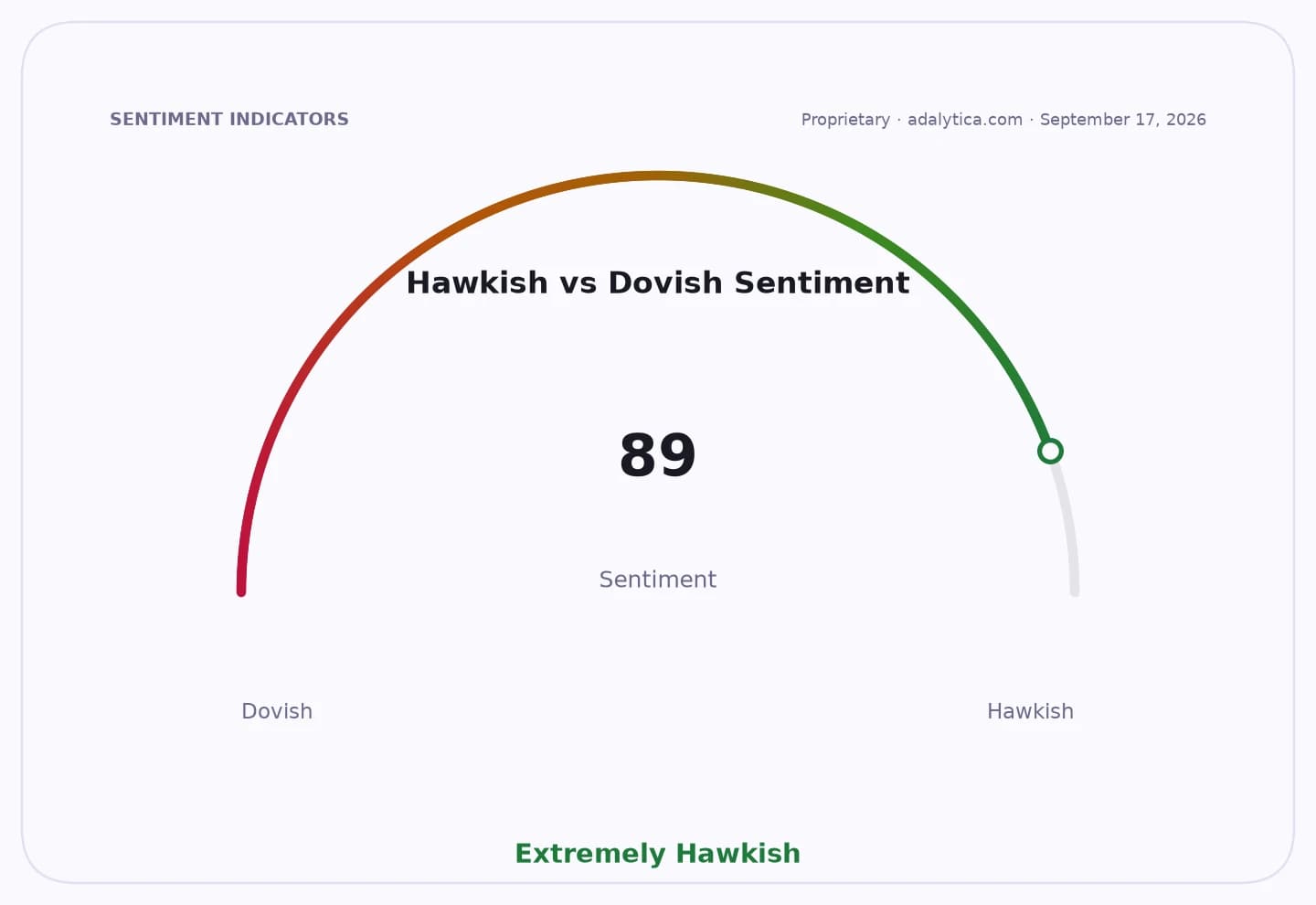
The prospect of another Federal Reserve rate increase is sharpening the trade against U.S. homebuilders, with D.R. Horton back at a technical resistance level that has already repelled buyers and with mortgage costs moving in the wrong direction for demand.
That matters because housing is one of the most rate-sensitive corners of the equity market. The 10-year Treasury yield has broken above 5%, a level not seen since before the 2008 financial crisis, and the 30-year mortgage rate has climbed to 7%, a fresh one-year high. For builders that have been leaning on rate buydowns to preserve sales, every increment higher in financing costs forces either deeper incentives or weaker order flow.
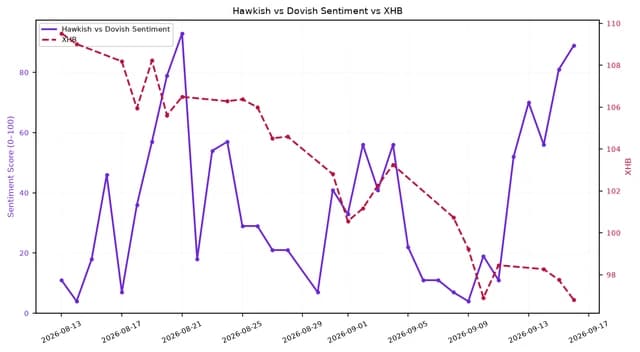
D.R. Horton has been one of the clearest examples of how quickly the math can turn. The stock fell below $140 last month and has since bounced back to test that level as resistance, while its relative strength has deteriorated. It is down 9% over the past month and 10% over three months, giving it a relative strength score of 4 out of 10 versus the S&P 500. Homebuilders as a group have continued to trail the broader market in both daily and weekly rotation models, suggesting the sector has not yet found a durable bid.
The fundamental backdrop is no better. D.R. Horton cut full-year revenue guidance by about $1 billion in July and lowered its fiscal 2026 revenue outlook to $32.5 billion to $33 billion, after orders rose just 0.1% year over year versus the roughly 6% growth analysts had expected. That miss is especially important because the company’s valuation still screens as reasonable at just above 11 times forward earnings. In a slowing earnings environment, that multiple can become a trap rather than a bargain.
Margins are under strain as the company uses discounts and mortgage buydowns to keep sales moving. At its July earnings call, D.R. Horton said it was buying down rates to 4.9% for buyers in its backlog versus a market rate of about 6.5% at the time. With market mortgage rates now around 7%, that spread has widened, making each new incentive more expensive and reducing the flexibility builders have to protect profitability.
The bearish case is straightforward: if the Fed stays restrictive and long-term yields remain near cycle highs, housing affordability deteriorates further, cancellations can rise and guidance may have to be cut again. The bullish case is narrower: the stock is no longer richly valued, and a sharp pullback in rates could quickly ease pressure on demand and margins. But with the chart failing at old support and the macro backdrop worsening into the Fed decision, traders are treating D.R. Horton as a name where downside still looks easier to express than a durable rebound.
For investors, the immediate question is not whether housing is cheap, but whether earnings estimates have fully adjusted to a world of higher-for-longer borrowing costs. If Treasury yields stay elevated, builders that rely on incentives to defend volume are likely to see more pressure on margins than the market has already priced in.
| Entity | Gains | Losses |
|---|---|---|
| Short D.R. Horton / bear put spreads | ▲Defined downside exposure | ▼Capped upside if rates fall |
| D.R. Horton buyers | ▲Better entry if rates retreat | ▼Further losses if support breaks |
| Homebuilders | ▲None if affordability worsens | ▼Margin pressure, weaker orders |
| Mortgage borrowers | ▲Lower rates would help affordability | ▼Higher payments at 7% mortgages |