Drone War Escalation Supports Defense Spending
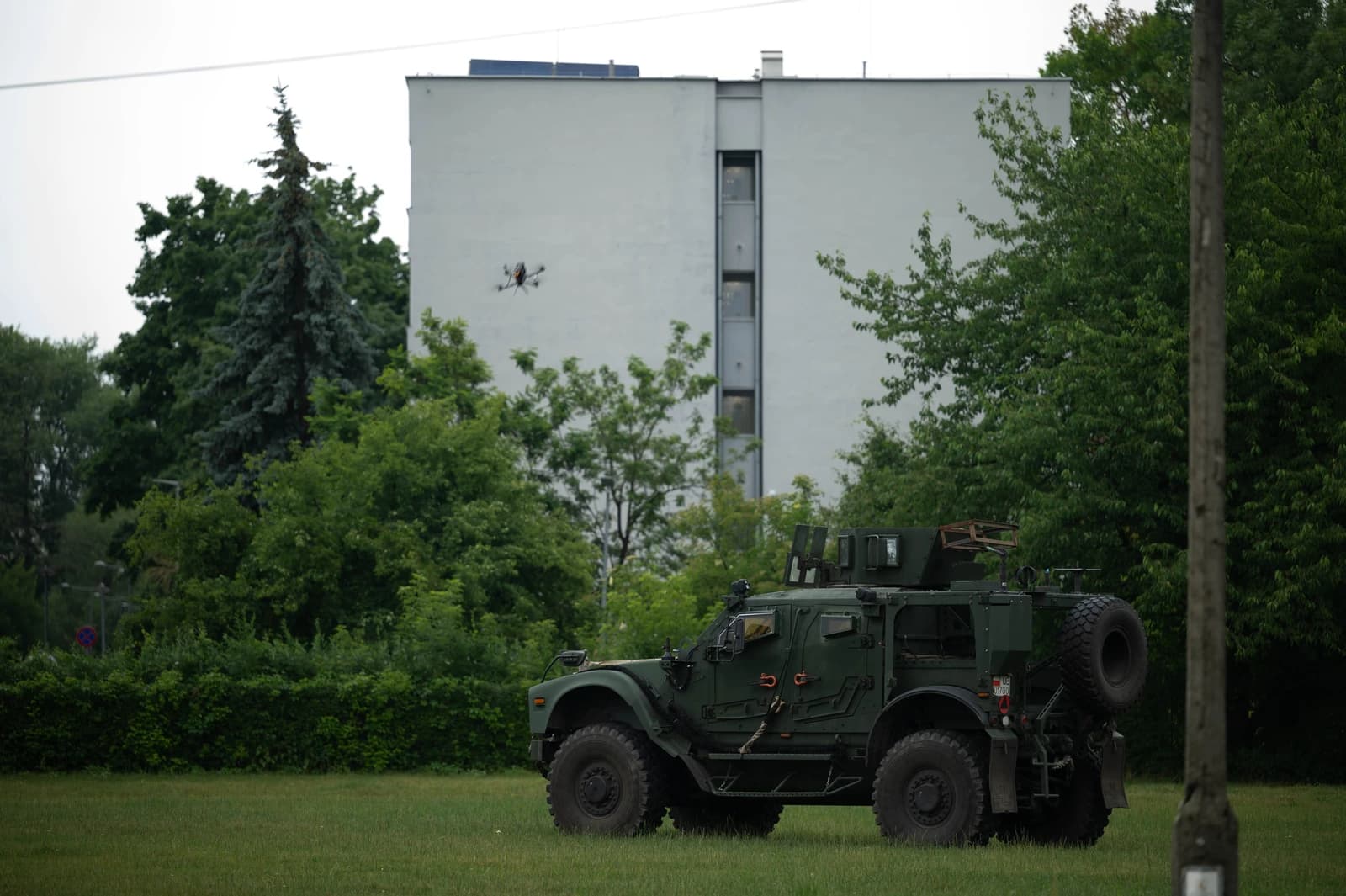
Germany’s reported delivery of 50,000 “smart” drones to Ukraine underscores how the war is shifting deeper into industrialized drone warfare, where scale, software and electronic countermeasures now matter as much as battlefield firepower.
The most important development is not just the shipment itself, but what it signals economically and militarily: Europe’s biggest economy is backing a conflict that increasingly depends on mass-produced unmanned systems, long-range reconnaissance and electronic warfare. That raises the cost of defense for Russia, strengthens Ukraine’s ability to sustain pressure on Russian rear-area targets and points to a war that is becoming more expensive to fight for both sides.
Overnight reports that Russian air defenses intercepted more than 400 Ukrainian drones, some of them said to have traveled as far as 4,000 kilometers, show how far the contest has expanded. Strikes on infrastructure including a dredger and electrical substations suggest the aim is no longer only tactical disruption at the front line, but the systematic forcing of logistics, energy and command networks to absorb repeated attacks. Russia’s response — jamming Starlink to interfere with Ukrainian drone operations — reinforces that the battlefield is now as much about signals, navigation and communications as it is about explosives.
For investors, the implications run beyond the immediate war. The drone escalation is a reminder that defense demand remains structurally elevated across Europe, especially for companies tied to missiles, sensors, electronic warfare and counter-drone systems. U.S. defense names such as Lockheed Martin, Northrop Grumman and RTX stand to benefit if allies accelerate replenishment and procurement, while European suppliers of guidance systems, avionics and battlefield networking could also see longer order backlogs. The market has already reflected that thesis: RTX has rallied sharply this year, while Northrop has also outperformed on expectations of sustained military spending and air-defense demand.
The flip side is that scale alone does not guarantee battlefield advantage. Ukraine’s drone campaign demonstrates resilience and innovation, but the reported losses also highlight the limits of cheap systems against layered air defenses and electronic jamming. That means the next phase of the conflict may be defined less by headline strike counts than by the race to improve autonomy, guidance resilience and anti-jam capability. In that environment, suppliers with stronger positions in secure communications, targeting software and counter-UAS technology are likely to command the premium.
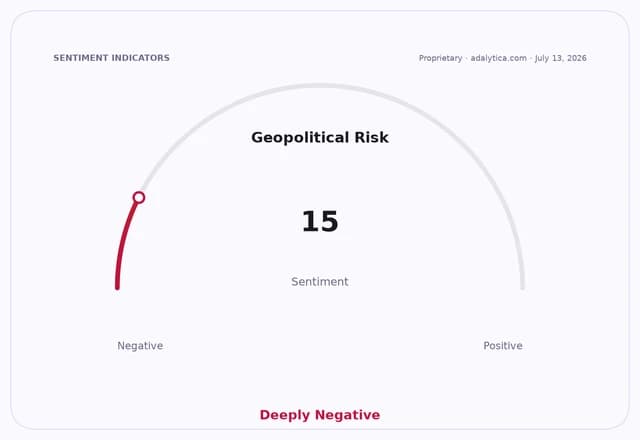
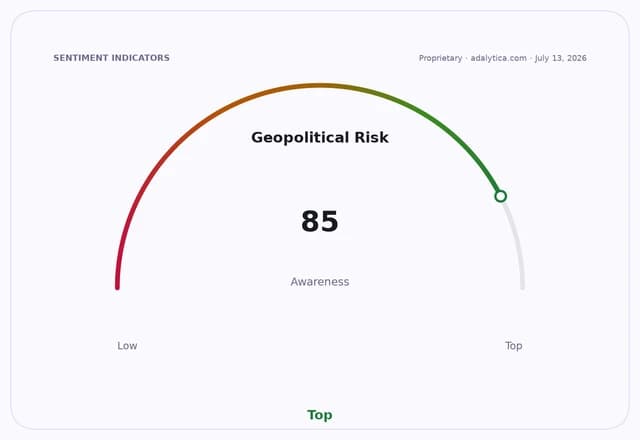
The broader market backdrop is one of rising geopolitical stress. Adalytica’s Global Stability Sentiment is in “Extreme Fear,” even as awareness of the risk remains elevated, a combination that fits a market pricing a more volatile security landscape without yet fully absorbing its longer-term budgetary consequences. For defense stocks, that is supportive; for airlines, industrial supply chains and European energy-sensitive assets, it is a reminder that the war’s economic spillovers are widening.
If Germany’s drone transfer is confirmed at the scale reported, it would mark another step in Europe’s transition from indirect support to deeper operational backing. For investors, the key question is no longer whether defense spending rises, but which contractors can capture the next wave of demand created by a war increasingly fought by machines.
| Entity | Gains | Losses |
|---|---|---|
| Ukraine | ▲More strike capacity | ▼Higher reliance on external aid |
| Germany / NATO allies | ▲Stronger deterrence posture | ▼Higher fiscal and political costs |
| Defense contractors | ▲Bigger orders for drones and countermeasures | ▼Margin pressure if competition intensifies |
| Russia | ▲— | ▼Greater infrastructure and defense burden |