Drought Pushes Fruit and Vegetable Prices Higher
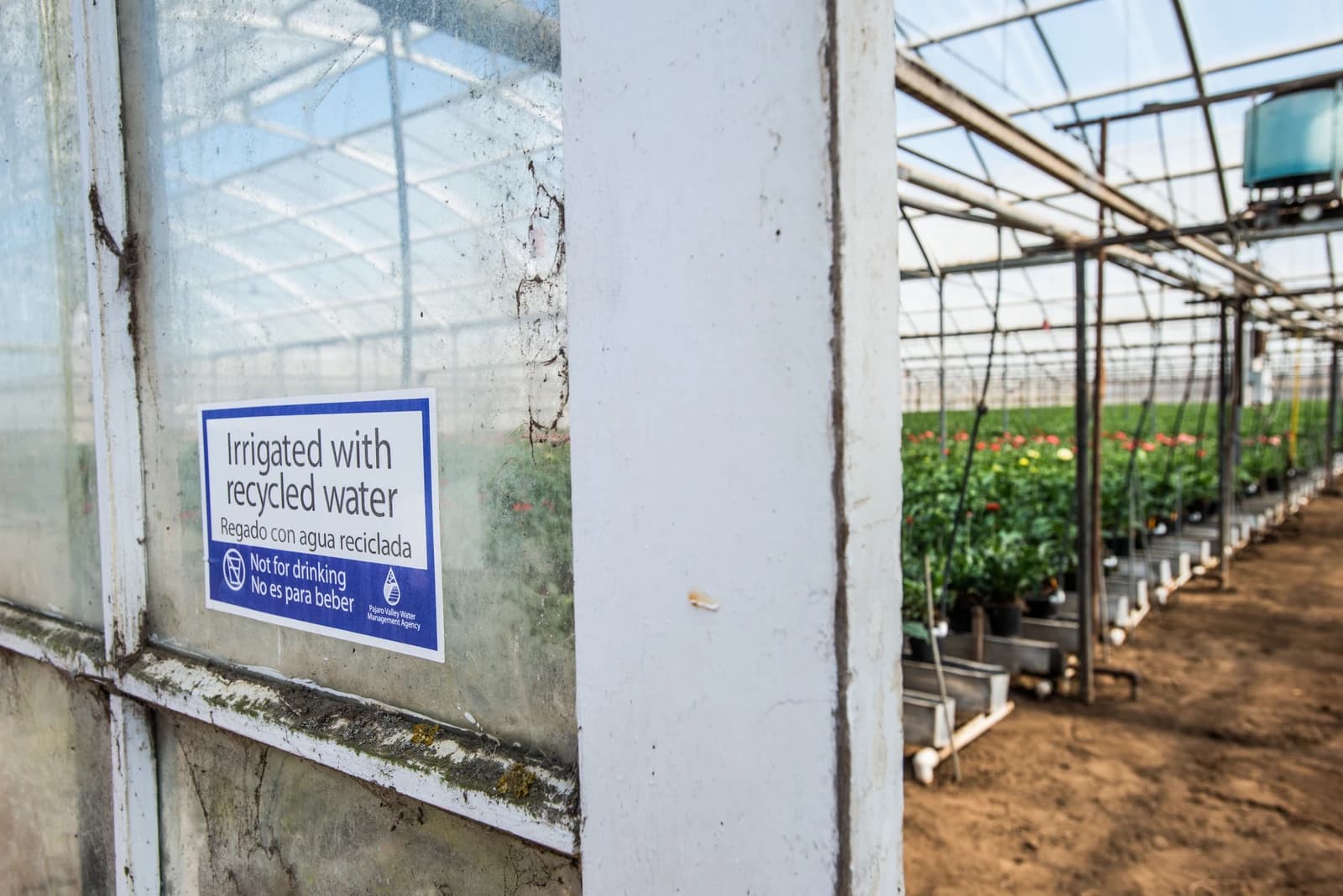
Drought across key growing regions is pushing fruit and vegetable prices higher by 5% to 30% or more, deepening what growers are calling a historic crisis and raising the risk of broader food inflation.
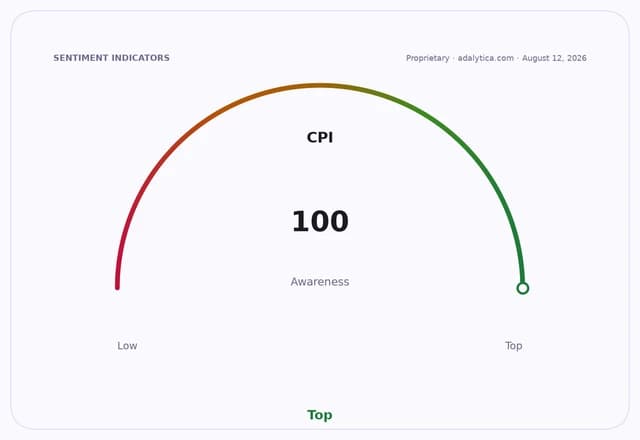
The squeeze matters because produce is one of the first categories to reflect weather shocks, and this one is hitting supply at the same time consumers are already facing sticky grocery costs. The latest price pressure comes as broader inflation stays elevated, with the consumer price index at 332.568 in June and forecast to rise to 335.512 in July, while producer prices are also projected to climb to 295.8433 from 286.827.
For shoppers, that means another layer of food inflation in stores and markets. For farmers, it means lower yields, damaged crops and weaker revenues even as costs for water, transport and labor stay high.
The market impact is already visible in agriculture-related funds and food retailers. DBA, an agricultural ETF, has climbed to 27.59 from 24.79 in late November, while big grocers such as Walmart and Sprouts are trading near technical levels that suggest investors are watching for margin pressure from higher food costs and tougher sourcing conditions.
The drought narrative also fits a wider climate shock across food-producing regions, from fruit growers in Kashmir to crop losses in parts of Bosnia and Central America. That raises the odds of repeated supply disruptions, making weather a bigger driver of food prices and earnings at supermarkets, distributors and packaged-food makers.
Investors will be watching whether the price surge spreads beyond produce into broader grocery inflation and whether retailers can pass through costs without hurting demand. Any further heat or rainfall shortfall could keep agricultural prices elevated into the next inflation prints and extend the squeeze on consumers and margins.
| Entity | Gains | Losses |
|---|---|---|
| Produce growers | ▲Higher sticker prices | ▼Lower yields, crop damage |
| Grocery chains | ▲Potential pricing power | ▼Margin pressure, demand risk |
| Consumers | ▲None | ▼Higher fruit and vegetable bills |
| DBA / agri-trade | ▲Short-term inflation tailwind | ▼Crop volatility risk |