Duolingo, Microsoft, Alphabet Gain From School AI
Artificial intelligence is moving from an experimental classroom add-on to a strategic layer in primary and secondary education, creating a direct winner-and-loser dynamic for edtech, big tech and school systems at the same time.
The shift matters economically because schools are beginning to buy, regulate and standardize AI at scale, turning what was once a niche software feature into a procurement and policy market with recurring revenue potential. It also matters for investors because the companies best positioned to supply AI tutoring, productivity tools and classroom management software can deepen user engagement and pricing power, while vendors that fail to prove safety, accuracy and measurable learning outcomes risk being displaced.
The clearest market read-through is Duolingo, whose stock has swung sharply higher in recent sessions, closing at $158.77 on Sept. 1 after a violent drawdown earlier in the year. The move has been accompanied by improving conventional technical indicators, with the shares back above both the 50-day and 200-day moving averages and RSI readings in the high 60s, suggesting momentum has returned even after an extreme selloff. For investors, that recovery reflects not just a rebound in sentiment around consumer AI adoption, but a belief that AI can widen the addressable market for personalized learning products in schools and households alike.
That opportunity is real, but so are the execution risks. Duolingo’s latest filing flagged reliance on the success of its artificial intelligence and machine learning technologies, a reminder that the company’s product differentiation now depends on whether AI improves learning outcomes without eroding trust or inflating costs. In education, that is a harder standard than in entertainment or general productivity. Schools buy slowly, budgets are tight, and administrators are unlikely to tolerate hallucinations, privacy lapses or content that conflicts with curriculum rules.
The broader industry backdrop supports the thesis that AI is becoming embedded in education policy rather than merely software roadmaps. Recent moves include grant-backed AI research and instruction at universities, government-backed classroom AI initiatives that have run into deployment issues, and national programs to teach AI alongside financial literacy. In primary and secondary schools, that combination points to a market that is both expanding and fragmenting: some systems will deploy AI for tutoring and teacher support, while others will restrict or standardize it after implementation problems.
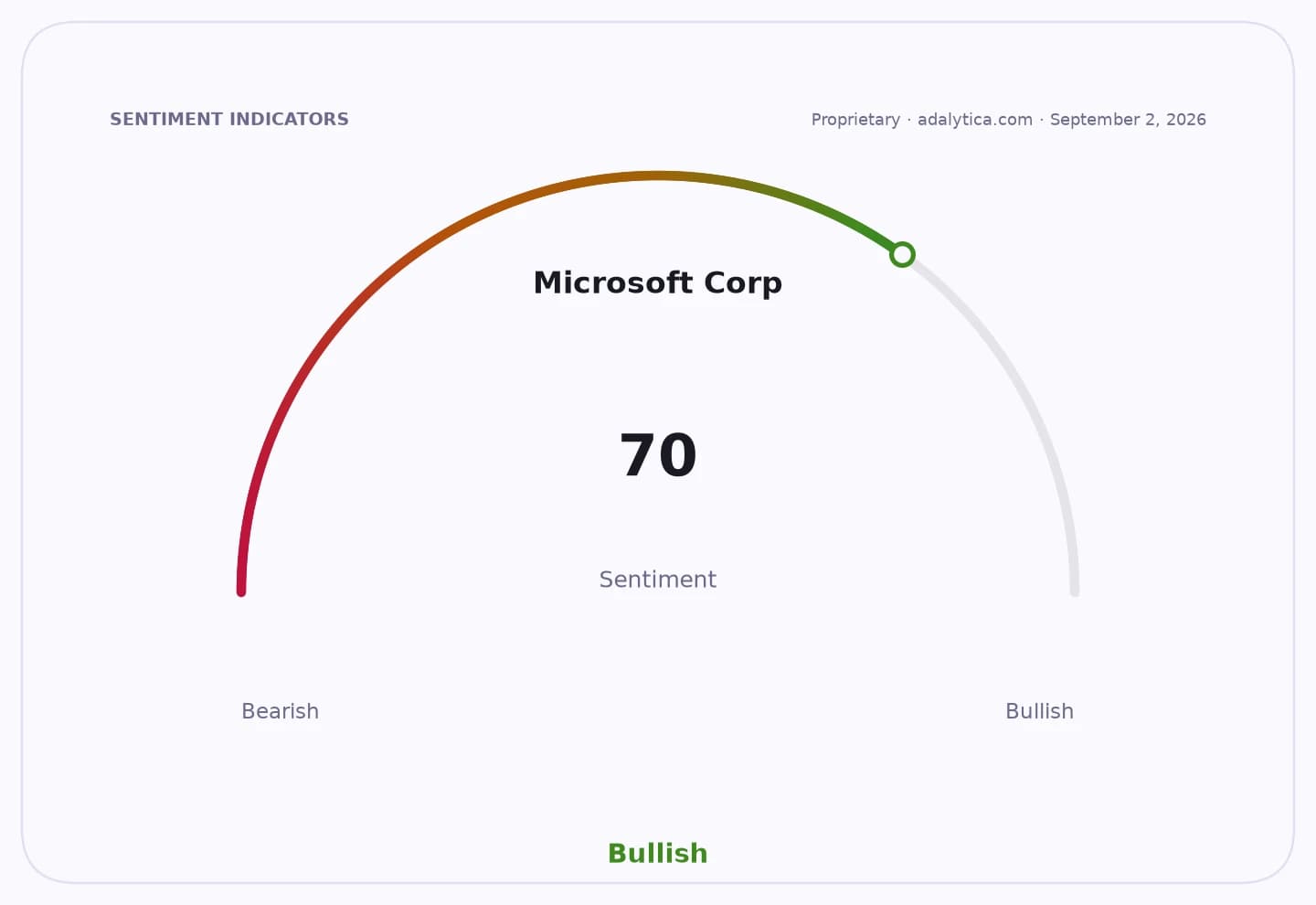
That creates a competitive opening for Microsoft and Alphabet as much as for specialist education platforms. Microsoft’s shares rose back above $500, with the stock holding above key moving averages after a sharp earlier-year reset, while Alphabet has also recovered from a summer slide. Both groups have the balance sheet strength, cloud infrastructure and distribution to bundle AI tools into school environments, whether through learning platforms, productivity suites or identity-managed classrooms. Their advantage is not just model quality; it is integration, compliance and procurement scale.
Still, the bull case for the sector depends on one thing: proof that AI improves instruction enough to justify institutional adoption. The bear case is that education buyers treat AI as a feature, not a product category, compressing margins and limiting monetization. If schools decide the safest model is tightly controlled, low-cost AI embedded in existing software, the upside for pure-play edtech could be smaller than the market expects.
For investors, the key question is not whether AI reaches schools — it already is — but which firms can turn that adoption into durable revenue without incurring regulatory or reputational damage. The next catalysts will come from school-district procurement cycles, product safety disclosures, and evidence that AI tools can lift retention, teacher productivity or test outcomes at scale.
| Entity | Gains | Losses |
|---|---|---|
| Duolingo | ▲AI-driven personalization demand | ▼Product-safety and trust risks |
| Microsoft | ▲School software bundling power | ▼Standalone edtech pricing power |
| Alphabet | ▲Classroom AI distribution | ▼Vendors lacking scale or compliance |
| School districts | ▲Better tutoring tools | ▼Higher oversight burden |