Dutch central bank moves 86 tons of gold to London

The Dutch central bank’s decision to shift 86 tons of gold to London is a reminder that in a world of geopolitical strain and volatile markets, official institutions still see bullion as the ultimate reserve asset.
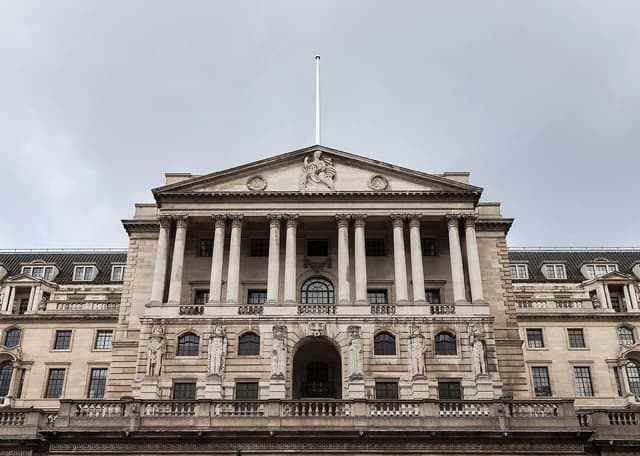
That matters because gold is not just a metal sitting in a vault. It is a hedge against currency risk, sanctions pressure and financial instability — the kind of insurance central banks tend to value most when the outlook for bonds, stocks and currencies becomes less predictable. The move also reinforces London’s role as the world’s dominant gold-trading and storage hub, where central banks, ETFs and bullion dealers rely on deep liquidity and trusted custody.
For investors, the message is straightforward: the case for owning gold has not disappeared just because prices fluctuate. Gold futures were recently trading above $4,400 an ounce, while gold-backed funds such as GLDM and GDX have remained elevated even after sharp swings. Technical indicators such as the 50-day moving average and RSI readings on those funds show the kind of back-and-forth that usually comes with an overheated but still powerful trend. In other words, volatility may be easing some near-term enthusiasm, but it is not breaking the longer-term demand story.
Adalytica’s trade signals for gold-related assets also point to a market that is still very much alive. Gold futures sit near neutral-to-firm territory, while the broader S&P 500 snapshot shows “Extreme Fear,” a combination that tends to support defensive assets. Even the U.S. Treasury market is flashing caution, with long-bond sentiment stuck in fear. When equities wobble and bond investors remain guarded, central banks often lean harder into reserves they cannot print.
The Dutch move fits that broader narrative. Central banks are not trading for a quarter. They are positioning for years, and they tend to prefer assets that are liquid, universally accepted and politically neutral. London gives them that flexibility. It also suggests that official demand for bullion is still underpinned by the same forces that have helped gold outperform in periods of uncertainty: high public debt, sticky inflation fears, a more fragmented geopolitical order and ongoing skepticism about paper assets.
For long-term investors, that does not mean chasing every spike in the gold price. It does mean understanding why gold keeps reappearing in reserve portfolios and diversified investment strategies. If central banks want insurance, investors can consider a smaller, patient allocation through physical gold, miners, or low-cost ETFs rather than trying to time the next swing.
In a market that still rewards resilience, the Dutch central bank’s gold transfer is worth watching, not because it changes the world overnight, but because it shows what the world’s stewards of capital are still trusting when uncertainty rises.
| Entity | Gains | Losses |
|---|---|---|
| Dutch central bank | ▲Greater custody flexibility | ▼Higher transport/logistics complexity |
| London bullion market | ▲More reserve inflows | ▼Rival vault hubs |
| Gold investors | ▲Stronger long-term safe-haven case | ▼Short-term volatility |
| Equities and bonds | ▲— | ▼Defensive capital flows |