Dutch rail sabotage raises travel costs
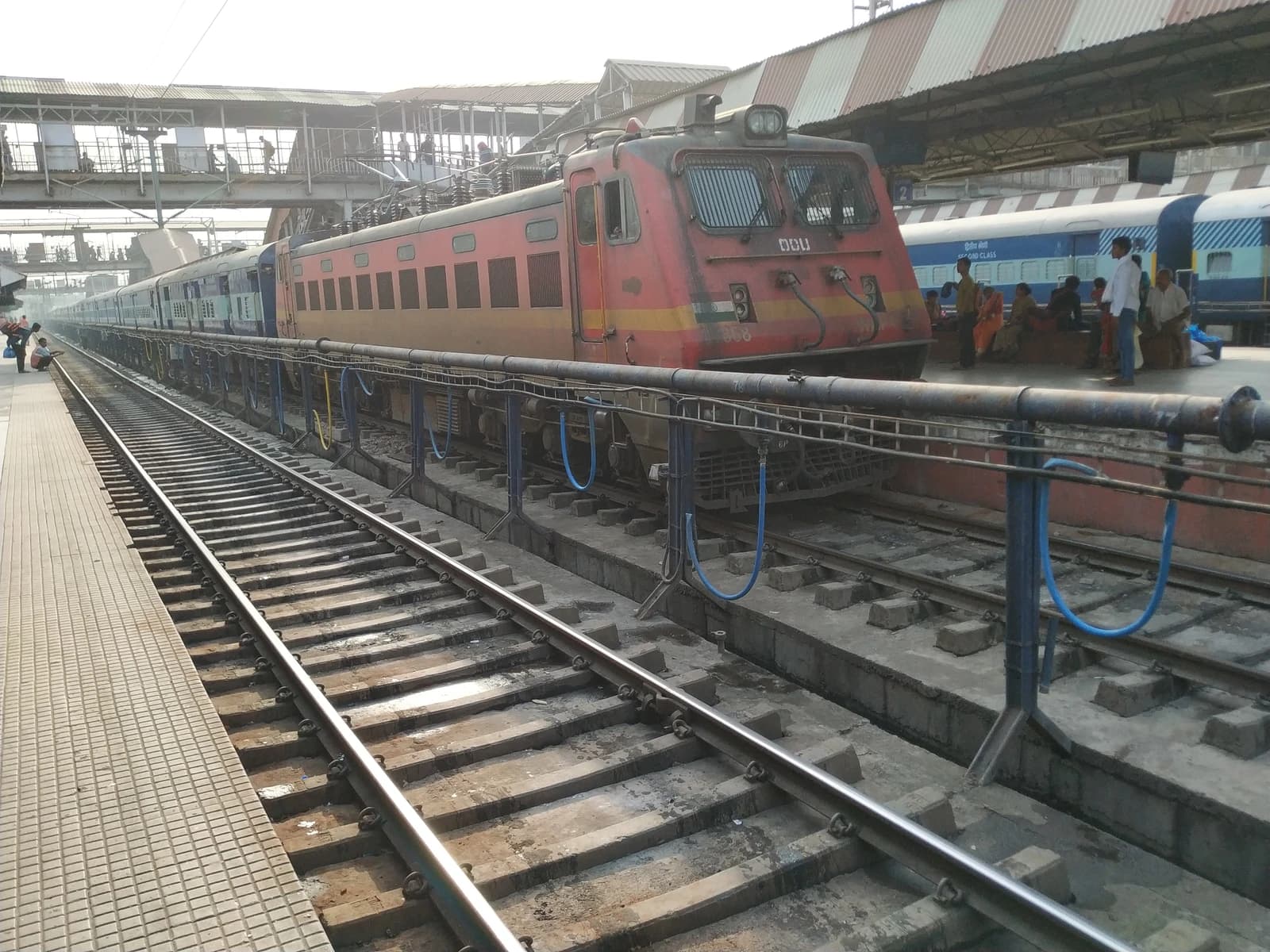
Dutch rail travel has been jolted by suspected sabotage at multiple track locations, and the economic pain is likely to show up fastest in higher costs for passengers and operators already grappling with stubborn inflation.
That matters because rail disruption during a busy seasonal travel window does more than strand commuters. It pushes up the price of getting people and goods moving, forces emergency measures such as free travel and passenger support, and exposes a transport system whose reliability is a direct input into broader economic activity.
Authorities said material was removed from tracks in several places, triggering widespread cancellations and a near-paralysis in the morning rush hour. Train traffic has only partly resumed, and investigators have not yet identified the perpetrators. For households planning festive travel, the shock lands on top of a cost base that remains elevated: Dutch consumer prices are still running at a much higher level than they were a decade ago, while producer prices remain well above pre-pandemic norms.
The market angle is straightforward. Every disruption to rail service raises the risk of higher operating expenses, slower recovery in passenger volumes and fresh spending on security, repairs and contingency plans. For rail-linked businesses, the immediate effect is lost revenue and added costs; for the broader economy, it is another reminder that infrastructure fragility can turn a transport issue into an inflation issue.
That is especially relevant at a time when rates are still materially above the ultra-low levels that helped cushion transport costs in the past. Even with the policy rate lower than its recent peak, financing, labor and energy costs are not returning to pre-2020 conditions. If rail operators are forced to absorb more disruption, those costs tend to be passed on somewhere — through fares, subsidies or reduced service quality.
Investors should watch this in two ways. First, it reinforces the case for businesses with pricing power and diversified logistics networks over those dependent on a single transport corridor. Second, it keeps infrastructure security and resilience on the radar as a long-term investment theme. In transport, reliability is not a nice-to-have; it is part of the asset’s earnings power.
For long-term investors, the broader lesson is that inflation is not just about central banks and consumer prices. It also shows up in the hidden costs of keeping systems running when shocks hit. Rail operators, infrastructure owners and passengers all pay for fragility — and the businesses best able to prevent, insure against or recover from it are the ones most likely to compound value over time. Worth watching, especially if the disruption leads to new spending on resilience or higher ticket prices.
| Entity | Gains | Losses |
|---|---|---|
| Rail security and repair firms | ▲More spending demand | ▼Short-term scrutiny |
| Rail operators | ▲Support funding potential | ▼Fare pressure and outages |
| Passengers | ▲Emergency support | ▼Delays and higher travel costs |
| Inflation-sensitive households | ▲Limited relief from transport costs | ▼Festive-season budget strain |