The next earnings wave for major U.S. banks, ASML and TSMC will tell investors whether this year’s market rally has legs or is already running ahead of fundamentals.
Earnings Could Decide Banks and AI Rally

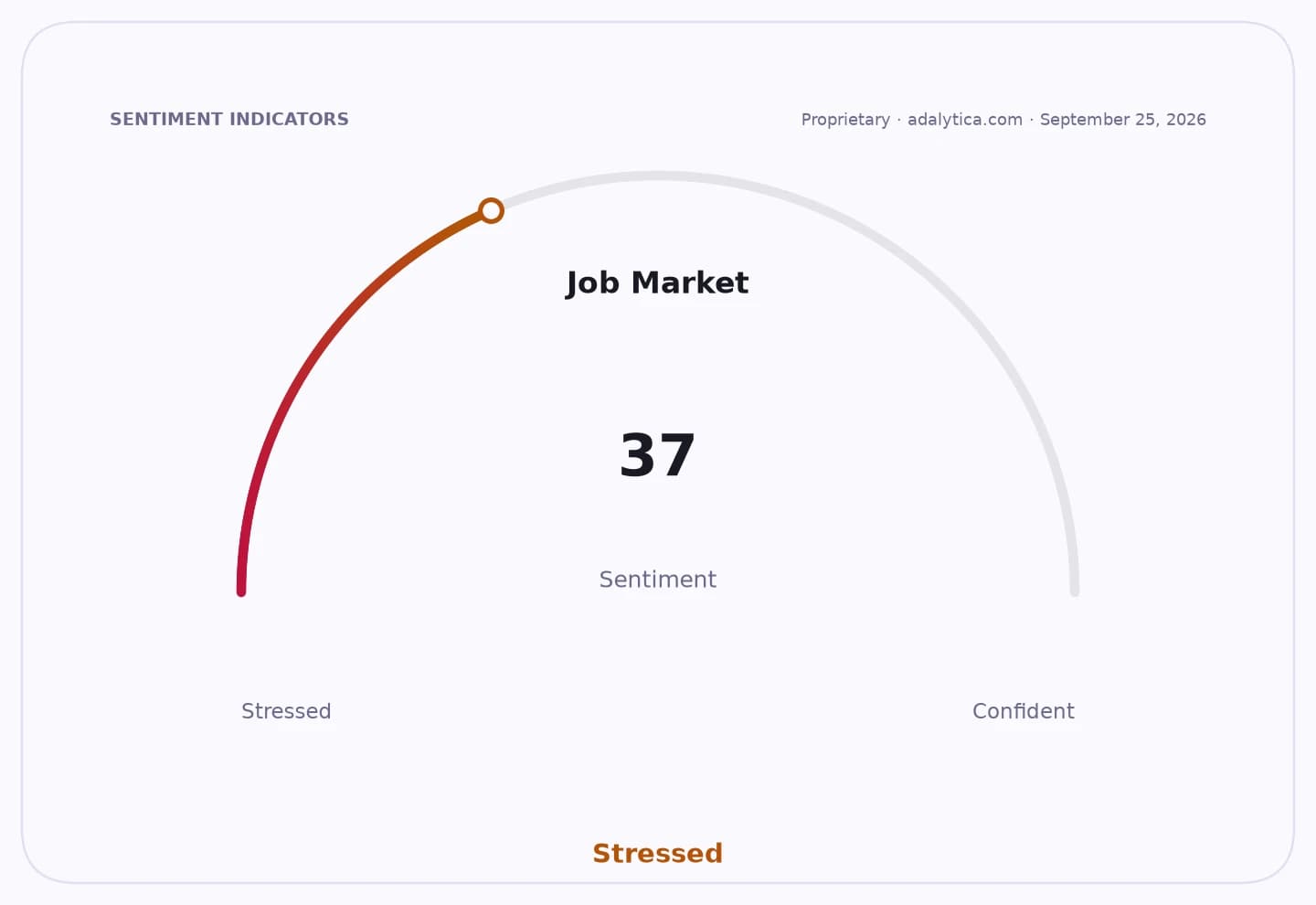
That matters because the setup is unusually tight: interest rates remain elevated, the U.S. 10-year Treasury is still around 4.56% to 4.58%, and the Fed funds rate is holding near 3.63% with only a modest decline expected to 3.627% next month. At the same time, unemployment is still low at 4.2%, which should support credit quality, but it also means the economy has not delivered the kind of broad easing that would sharply widen loan growth or trigger a clean multiple expansion. Investors are being forced to price a slower, more selective profits cycle rather than a synchronized boom.
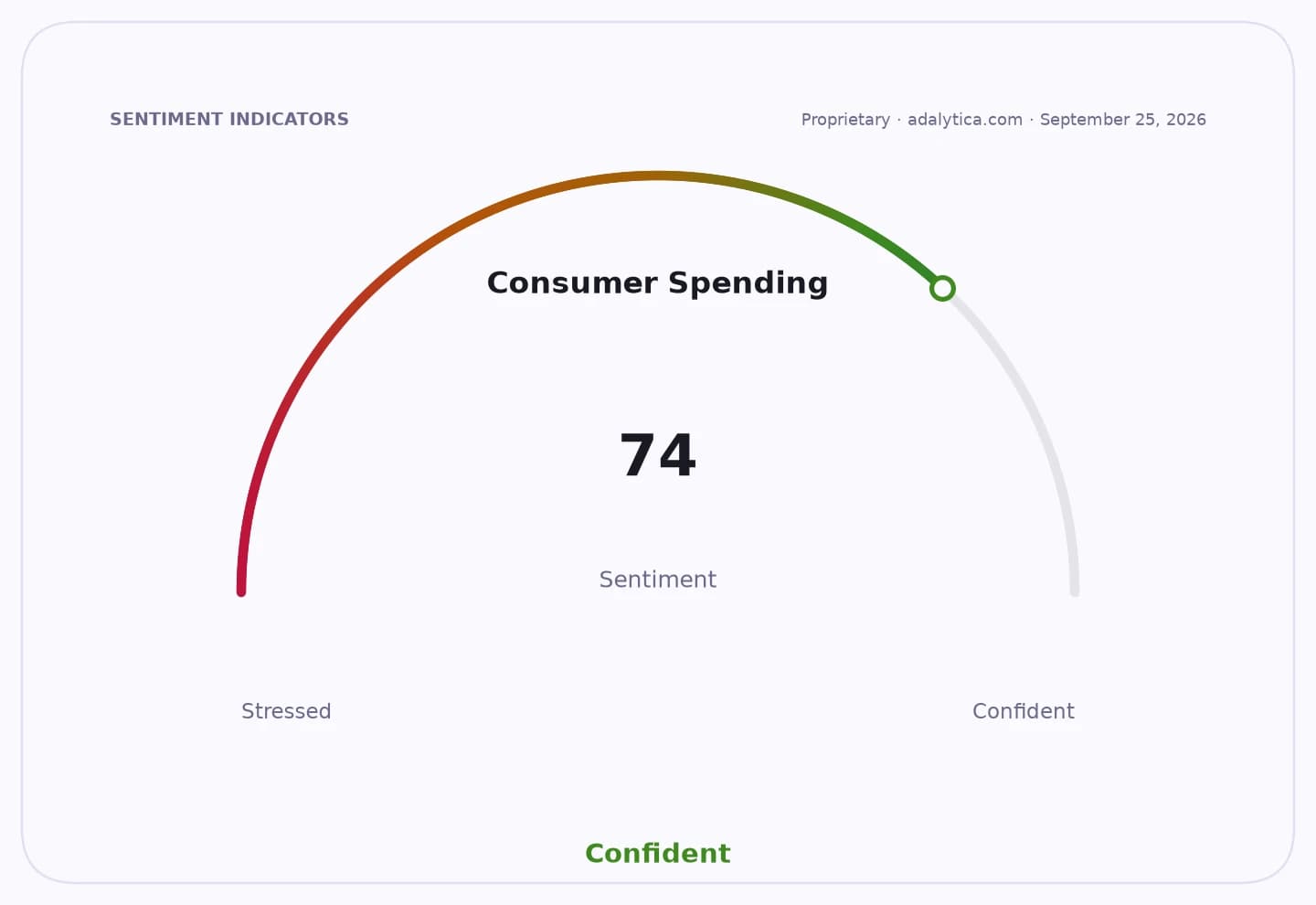
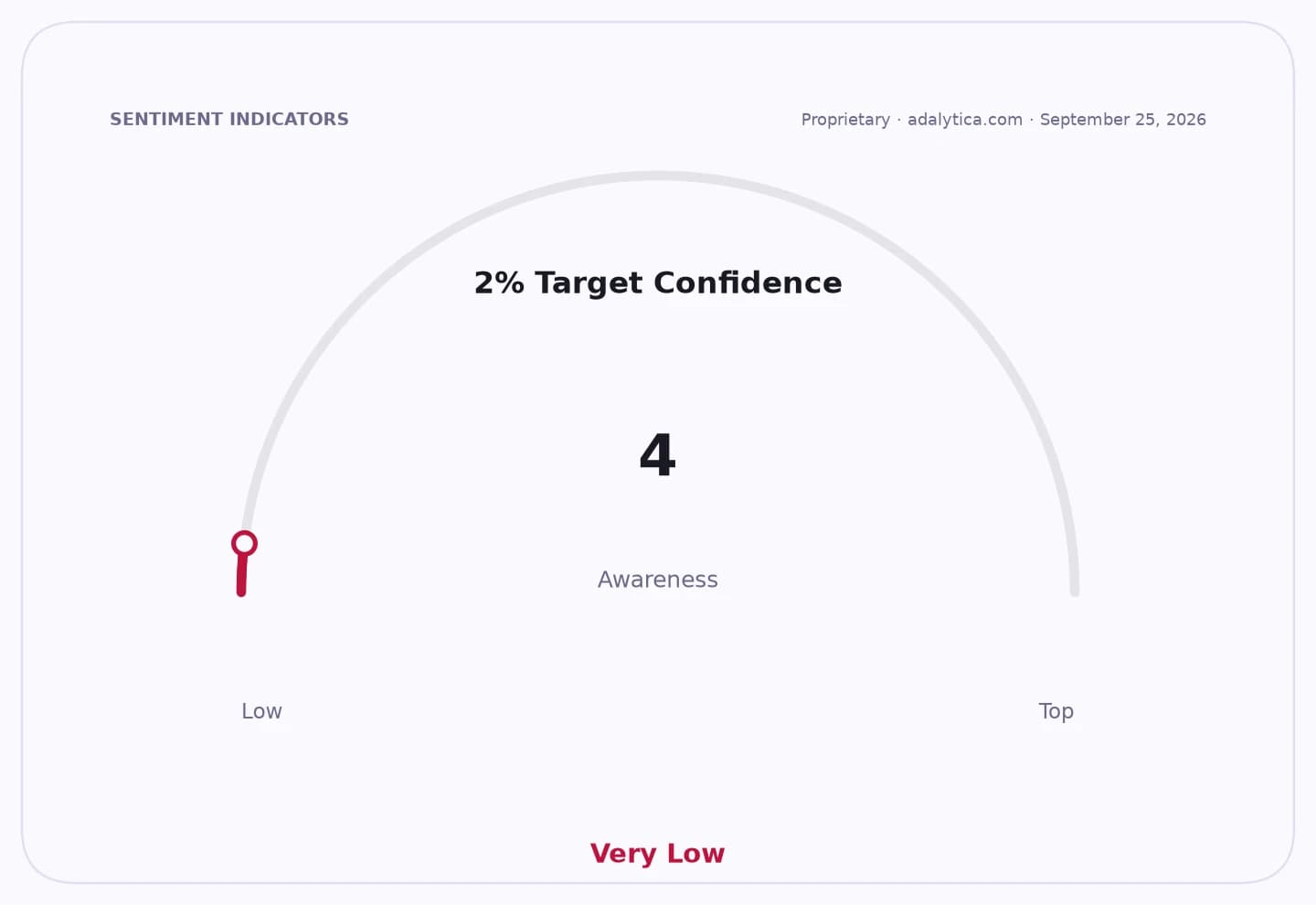
Sentiment IndicatorsⓘProprietary · adalytica.com · July 14, 2026
This is a snapshot — live sentiment, awareness and momentum for 130+ markets update continuously in the dashboard.Open AlphaPulse
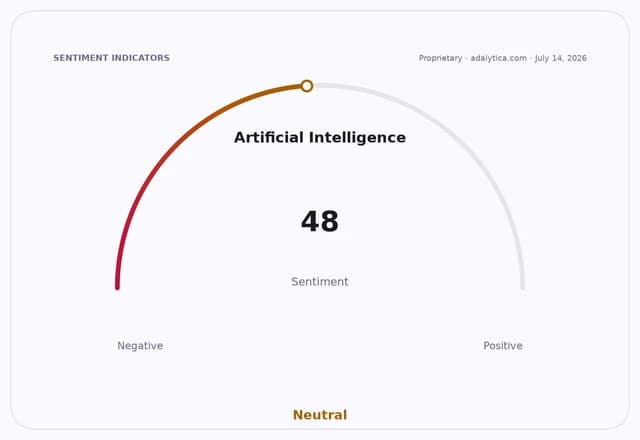
For banks, that creates a classic tug of war. Higher long rates can still support net interest income, but they also keep deposit costs sticky and can cap lending demand. The KBW Bank Index ETF, KBE, has already moved sharply higher, with the fund closing at 68.82 on July 13, well above its 200-day moving average of 61.30 and its 50-day average of 64.95. That is a healthy trend, but the technical picture also says expectations are no longer low. The bank trade is now being asked to prove that capital markets strength, consumer resilience and credit stability can all survive a still-restrictive rate backdrop.
That is why the major U.S. lenders matter so much this quarter. Investors want to know whether trading, investment banking and wealth management can offset slower balance-sheet growth, and whether credit costs stay contained if economic momentum softens from here. Recent filings from Bank of America showed deposits and asset levels remain large and stable, underscoring how much these firms are still sitting on the plumbing of the U.S. financial system. But the key question is not size. It is whether earnings can keep surprising in a world where financing costs are still high and the easiest rate tailwinds have already been harvested.
Semiconductors face a different but equally important inflection point. TSMC’s June revenue jumped 67.9% from a year earlier, and year-to-date sales are up 35.6%, a clear sign that AI infrastructure demand is still translating into real cash flow. ASML’s April quarter showed €8.8 billion in sales and management lifted its 2026 revenue outlook to €36 billion to €40 billion with gross margins of 51% to 53%, which tells you the lithography bottleneck remains intact and the AI capex cycle is not fading.
Yet the market is also demanding proof that the spending wave is durable, not just front-loaded. SOXX has already been whipsawed: it surged to 553.61 on July 13 after a powerful run, but that was still below its recent peaks near the 650 area, and the 35.1 RSI reading suggests the ETF has cooled off after a stretched advance. That is exactly the kind of setup where a strong earnings print can either reignite the cycle or expose how much optimism was already embedded in chip valuations.
The deeper narrative is that AI is no longer a concept trade — it is an industrial capex trade. Banks are the financing arm of the economy; ASML and TSMC are the equipment and manufacturing toll roads of the AI buildout. If banks show that credit remains clean and capital markets stay active, that supports the broader risk environment. If ASML and TSMC confirm that customers are still spending aggressively on compute, then the market’s favorite secular theme keeps compounding. If either side disappoints, the repricing could be swift.
Investors should treat this earnings season as a filter, not a celebration. The winners are the firms with direct exposure to capital flows, AI infrastructure and transaction activity. The losers are the parts of the market still priced for a broad easing cycle that has not arrived. In my view, the most attractive positioning remains in the picks-and-shovels names tied to sustained chip capex and in the strongest banks with diversified fee income, because those are the businesses most likely to convert a volatile macro backdrop into durable earnings power.
| Entity | Gains | Losses |
|---|---|---|
| Major U.S. banks | ▲Trading and fee income | ▼Deposit-cost pressure |
| ASML | ▲EUV demand visibility | ▼Capex pause fears |
| TSMC | ▲AI wafer volumes | ▼Export/tariff risk |
| SOXX holders | ▲Earnings upside surprise | ▼Valuation compression |